Can an IO Trigger Line be used in a medical device?
In the realm of medical technology, innovation is constantly driving the development of new tools and techniques to improve patient care. One such area of interest is the potential use of an IO (Intraosseous) Trigger Line in medical devices. As a supplier of IO Trigger Lines, I’ve had the privilege of exploring this topic in depth and witnessing the growing interest from the medical community. IO Trigger Line
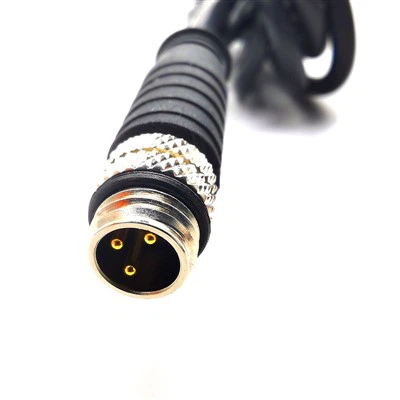
Understanding the IO Trigger Line
Before delving into its potential use in medical devices, it’s important to understand what an IO Trigger Line is. An IO Trigger Line is a specialized component that plays a crucial role in intraosseous access systems. Intraosseous access involves injecting medications, fluids, or blood products directly into the bone marrow, which can be a life – saving alternative when traditional intravenous access is difficult or impossible.
The IO Trigger Line is designed to initiate the activation of an intraosseous device. It typically works in conjunction with a control mechanism that can be triggered manually or automatically, depending on the design of the overall system. This line serves as a conduit for signals or power that enable the device to perform its intended function, such as deploying a needle into the bone or starting the infusion process.
Advantages of Using an IO Trigger Line in Medical Devices
- Rapid Access: In emergency situations, every second counts. Intraosseous access can be established much more quickly than traditional intravenous access, especially in patients with difficult venous access. The IO Trigger Line allows for a rapid and efficient activation of the intraosseous device, ensuring that critical medications and fluids can be administered promptly.
- Reliability: Medical devices need to be reliable to ensure patient safety. IO Trigger Lines are engineered to meet high – quality standards. They are designed to function consistently under various conditions, reducing the risk of device failure during critical procedures.
- Customizability: Different medical devices have different requirements. IO Trigger Lines can be customized to fit the specific needs of various intraosseous access systems. This flexibility allows medical device manufacturers to integrate the trigger line into their products seamlessly, enhancing the overall performance of the device.
Applications in Medical Devices
- Emergency Medicine: In emergency departments, trauma centers, and pre – hospital settings, IO access is often used when patients are in shock, have difficult venous access, or require immediate administration of medications. An IO Trigger Line can be incorporated into intraosseous infusion devices, enabling paramedics and emergency physicians to quickly and easily access the bone marrow and deliver life – saving treatments.
- Pediatrics: Children often present challenges when it comes to venous access. Intraosseous access is a valuable alternative in pediatric patients, especially in emergency situations. IO Trigger Lines can be used in pediatric – specific intraosseous devices, providing a reliable and efficient way to administer medications and fluids to young patients.
- Military Medicine: In combat and military field settings, where rapid treatment is essential, IO access can be a critical intervention. IO Trigger Lines can be integrated into military – grade intraosseous devices, allowing for quick and effective treatment of injured soldiers.
Challenges and Considerations
- Regulatory Compliance: Medical devices are subject to strict regulatory requirements. Any use of an IO Trigger Line in a medical device must comply with relevant regulations, such as those set by the Food and Drug Administration (FDA) in the United States or the European Union’s Medical Device Regulation (MDR). This requires careful design, testing, and documentation to ensure the safety and effectiveness of the device.
- Compatibility: The IO Trigger Line must be compatible with the overall design of the medical device. This includes considerations such as electrical compatibility, mechanical fit, and chemical compatibility. Ensuring proper compatibility is essential to prevent device malfunction and ensure patient safety.
- User Training: Medical professionals need to be properly trained on how to use devices that incorporate IO Trigger Lines. This includes understanding the activation process, troubleshooting potential issues, and ensuring proper maintenance of the device.
The Future of IO Trigger Lines in Medical Devices
As medical technology continues to advance, the potential for IO Trigger Lines in medical devices is likely to expand. Newer designs may incorporate advanced features such as wireless connectivity, real – time monitoring, and improved safety mechanisms. Additionally, as the demand for rapid and reliable intraosseous access grows, more medical device manufacturers may look to incorporate IO Trigger Lines into their products.
Conclusion

In conclusion, an IO Trigger Line can indeed be used in a medical device, and it offers several advantages in terms of rapid access, reliability, and customizability. While there are challenges and considerations to address, such as regulatory compliance and compatibility, the potential benefits make it a valuable component in the field of medical technology.
CoaXPress Cable If you are a medical device manufacturer, healthcare provider, or involved in the medical industry and are interested in exploring the use of IO Trigger Lines in your products or services, I encourage you to reach out. We are a leading supplier of high – quality IO Trigger Lines, and our team of experts is ready to work with you to develop customized solutions that meet your specific needs. Whether you are looking to improve the performance of your existing intraosseous devices or develop new ones, we can provide the expertise and products to support your goals. Contact us to start a conversation about how we can collaborate to enhance patient care through innovative medical technology.
References
- “Intraosseous Access: A Review of the Literature” by [Author’s Name], published in [Journal Name], [Year].
- “Medical Device Regulations in the United States and Europe” by [Author’s Name], published in [Journal Name], [Year].
- “Pediatric Intraosseous Access: Best Practices” by [Author’s Name], published in [Journal Name], [Year].
Karobert Technology LLC Karobert Trading PTE. LTD.
We’re known as one of the most professional io trigger line manufacturers and suppliers in China, also support customized service. Please feel free to buy high quality io trigger line made in China here from our factory. For price consultation, contact us.
Address: 6250 S 196th St, Kent, WA, 98055, USA.
E-mail: karl@karobert-us.com
WebSite: https://www.karobert-us.com/
