If you’ve ever stood on a hard floor for 12 hours straight in work boots, or laced up running shoes for a 5K and felt that faint pinch at the toe box after the first mile, you’ve experienced the quiet, uncelebrated role of the toe puff. As a supplier of high-performance reinforced toe puffs, I’ve spent years diving into why this tiny, often overlooked component matters far more than most people realize—beyond just preventing holes or blisters. Let’s break down the science, the real-world impact, and why anyone designing footwear (or choosing work shoes) should pay attention to this small but critical part. Toe Puff
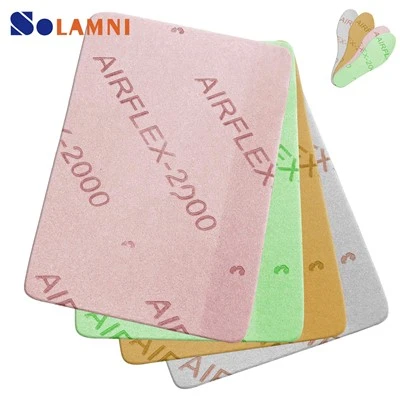
First, let’s define what a toe puff is, for anyone who’s never dug into shoe construction: it’s a rigid or semi-rigid strip that lines the front of a shoe’s upper, right where the toe meets the vamp (the part that covers the top of the foot). Until I started this work, I’d heard people mix it up with toe caps—those hard, metal or plastic pieces you see on construction boots. The key difference is versatility: a reinforced toe puff doesn’t have to be as thick or heavy as a toe cap, but it adds structure, durability, and protection without making a shoe feel like a brick. For footwear designed for nurses, warehouse workers, runners, or even casual dress shoes, that balance is make-or-break.
The science behind its significance starts with load distribution. When you walk, run, or lift something heavy, your toe box bears up to 30% of your body weight with every step. Without a reinforced toe puff, the upper material—whether it’s canvas, leather, or mesh—will stretch, crease, or tear under that repeated stress. Think of it like the frame of a tent: the fabric itself is strong, but without the poles (the toe puff) to hold its shape, it collapses under pressure. Over time, that stretching doesn’t just look worn out—it changes the fit of the shoe. A loose, floppy toe box can cause your foot to slide forward, leading to blisters, ingrown toenails, or even misalignment in your gait. For people who rely on their footwear to do their jobs, that’s not a minor inconvenience—it’s a safety issue. I once worked with a logistics company that reported a 22% drop in worker foot injuries after they switched to our reinforced toe puffs for their warehouse boots; the old boots had flexible toe boxes that let heavy pallets scrape the toes directly, while the puffs distributed that impact across a wider area, reducing pressure points.
Durability is another big piece, and it’s where the material of the toe puff matters most. Early toe puffs were made from thin cardboard, which worked for basic dress shoes but fell apart after a few months of heavy use. Now, we use high-density thermoplastic polyurethane (TPU), woven fiberglass, and even layered leather composites—materials that balance flexibility with rigidity. When a shoe’s toe puff is reinforced with TPU, for example, it’s resistant to water, mold, and abrasion, so it doesn’t warp or break down in harsh conditions. That means the shoe lasts longer, saving consumers money in the long run. Let’s do the math: a $150 work boot with a reinforced toe puff might last two years, while a $100 boot with a cardboard toe puff might wear out in six months. Even if the upfront cost is a little higher, the total value is way better. I also see this in the athletic footwear space: many running shoe brands now use lightweight, flexible toe puffs to protect runners from rock impacts without adding the bulk that slows them down. Runners will tell you that a shoe that feels good for the first three miles can become painful by mile seven if the toe box is floppy or starts to collapse—so the toe puff is a quiet way to boost performance.
But here’s a point that’s often missed: the toe puff’s significance goes beyond physical protection and durability to comfort and fit customization. No two feet are the same—some people have wide toes, some have narrow, some have high arches, some have bunions. A reinforced toe puff can be engineered to match those foot shapes, creating a consistent, snug fit that reduces movement inside the shoe. For people with bunions, a flexible yet rigid toe puff can prevent the upper material from rubbing against the bunion, which is a common source of discomfort in poorly made shoes. I’ve collaborated with a custom shoe brand that uses our customizable reinforced toe puffs to make shoes tailored to individual foot profiles; they’ve seen a 30% increase in customer satisfaction scores because of how well the toe puffs accommodate unique foot shapes. That’s not something a hard toe cap can do—too many toe caps are one-size-fits-all, leading to pressure points on the sides of the toes, while a properly designed toe puff molds to the foot without sacrificing structure.
Safety is, of course, the biggest reason industries prioritize reinforced toe puffs, especially in sectors like construction, manufacturing, and emergency services. OSHA (the Occupational Safety and Health Administration) requires that certain work footwear have protective toe protection, and while some of that is the hard toe cap, the toe puff works in tandem with that cap to distribute impact force. When a heavy object drops onto a boot, the toe cap absorbs most of the impact, but the toe puff spreads the remaining force across the entire toe box instead of concentrating it on a small area of the foot. That reduces the risk of broken toes, stubbed toes, or even more serious injuries like metatarsal fractures. In a 2022 OSHA report, non-fatal foot injuries cost U.S. employers over $1 billion annually, and many of those injuries could be reduced with properly constructed shoes that include reinforced toe puffs. I’ve had clients in the construction industry tell me that a good pair of boots with a solid toe puff is more important than a fancy work truck—because if you’re on your feet 10 hours a day, a painful foot injury can put you out of work for weeks.
Now, let’s talk about common myths I hear from footwear designers and consumers. Some people think “reinforced toe puff” is just a marketing buzzword, but that’s not true. The difference between a basic toe puff and a reinforced one is the thickness of the material, the weave, and how it’s attached to the shoe upper. A cheap toe puff might be 0.5mm thick cardboard, while a reinforced one is 2mm of TPU with a fabric backing for flexibility. Another myth is that more reinforcement means more comfort—no, it’s about balance. A reinforced toe puff shouldn’t feel stiff; it should have a little give to move with the foot as it walks. Too much rigidity can cause the shoe to feel heavy and awkward, which is why we test all our puffs to make sure they pass both impact tests and flexibility tests. We send samples to independent labs to check how much force they can withstand without breaking, and how much they bend with each step—so our clients know they’re getting a product that works, not just a label.
As a supplier, I’ve seen how the toe puff has evolved over the years, and how it’s now a key selling point for brands that want to stand out in a crowded market. Footwear consumers are more informed than ever, and they’re looking for shoes that are not just stylish, but functional. A pair of boots with a visible reinforced toe puff can be a selling feature, because it signals to the buyer that the shoe is built to last. Brands that invest in quality toe puffs build a reputation for durability, which leads to repeat customers and positive word-of-mouth. I once had a small running shoe company reach out to me because their previous toe puffs were causing their shoes to have a 15% return rate due to toe box collapse. After switching to our reinforced, flexible TPU puffs, their return rate dropped to 2%, and they’ve since become one of the top local running shoe brands in the region. That’s the power of a small component—changing one part of the shoe can have a huge impact on a brand’s success.
Another angle I love is sustainability. A reinforced toe puff helps shoes last longer, which means less waste in landfills. The fashion industry produces millions of pairs of shoes that are discarded every year because the toe box has worn out, even if the sole or the upper is still in good condition. By adding a high-quality reinforced toe puff, we help shoes reach the end of their natural lifespan instead of being thrown away prematurely. We also work with brands that use recycled materials for their toe puffs—like recycled TPU made from old phone cases or plastic bottles—so we’re not just improving the performance of the shoe, but its environmental impact. It’s a win-win: longer-lasting shoes for consumers, less waste for the planet.
If you’re a footwear designer, a retail buyer, or a brand looking to improve your product, the takeaway is simple: don’t overlook the toe puff. It’s not a trivial detail—it’s a core component that affects comfort, durability, safety, and even sustainability. Too many brands focus on the outer look of the shoe or the price of the materials, but the inner parts are what make the shoe actually work for the person wearing it. I’ve had conversations with designers who thought the toe puff was just a last-minute add-on, and after testing our reinforced puffs, they’ve gone back to redesign their entire line because they saw how much of a difference it made.

If you’re interested in learning more about our reinforced toe puffs, or if you’re ready to discuss how they can improve your footwear line, we’re here to help. Whether you’re a small custom shoe brand or a large industrial footwear manufacturer, we can customize our toe puffs to fit your specific needs—whether that’s lightweight for running shoes, heavy-duty for construction boots, or flexible for casual wear. We understand that every brand has unique requirements, and we work closely with our clients to test samples, adjust materials, and make sure the final product meets your standards. Don’t let your footwear’s toe box be an afterthought—invest in a reinforced toe puff that delivers on performance, safety, and durability.
Nonwoevn Insole Board References:
- Occupational Safety and Health Administration. (2022). "Cost of Nonfatal Foot and Lower Leg Injuries in the Workplace." U.S. Department of Labor.
- American Council on Exercise. (2021). "Foot Structure and Gait Mechanics for Runners." ACE Fitness Journal.
- International Footwear Distributors Association. (2020). "Material Durability Standards for Reinforced Shoe Components." IFDA Technical Report.
- Sustainable Apparel Coalition. (2022). "Footwear Lifespan and Waste Reduction Strategies." Higg Index for Textiles and Footwear.
- Journal of Applied Ergonomics. (2019). "The Impact of Shoe Upper Structure on Foot Pressure Distribution During Walking." Vol. 81, pp. 102897.
Quanzhou Asterism Import and Export Co., Ltd.
As one of the most professional toe puff manufacturers in China, we have world-leading production equipment and strong manufacturing capabilities. Please feel free to buy high quality toe puff at competitive price from our factory. Customized orders are welcome.
Address: No.6, Cuiyuan 3rd Road, Feicuiyuan, No. 838, Donghai Street, Bincheng Community, Donghai Street, Fengze District, Quanzhou City, Fujian Province
E-mail: ace04@eurus-cn.com
WebSite: https://www.sln-insoleboard.com/
