Operating a customized riveting machine safely is of paramount importance in ensuring the well – being of operators and the efficiency of production. As a supplier of customized riveting machines, I have witnessed firsthand the significance of proper safety procedures. In this blog, I will share some key aspects of safely operating a customized riveting machine. Customized Riveting Machine

Pre – operation Preparations
Machine Inspection
Before starting the riveting machine, a thorough inspection is essential. Check the overall structure of the machine for any signs of damage, such as cracks in the frame or loose components. Examine the riveting head, ensuring that it is in good condition and properly aligned. The rivet feeder should also be inspected to guarantee smooth feeding of rivets. Any signs of wear or malfunction in these parts should be addressed immediately.
For example, if the riveting head is misaligned, it can lead to improper riveting, which not only affects the quality of the product but also poses a safety risk. Loose components may fall off during operation, causing potential harm to the operator.
Safety Equipment Check
Ensure that all safety equipment is in place and functioning correctly. This includes safety guards, emergency stop buttons, and protective shields. Safety guards are designed to prevent operators from coming into contact with moving parts of the machine. The emergency stop button should be easily accessible and in working order so that the machine can be stopped immediately in case of an emergency.
Protective shields are crucial for protecting the operator from flying debris during the riveting process. They should be made of a strong and transparent material that allows the operator to observe the operation while providing adequate protection.
Operator Training
Proper training is a must for anyone operating a customized riveting machine. Operators should be familiar with the machine’s controls, functions, and safety procedures. They should understand how to start and stop the machine, adjust the riveting force, and troubleshoot common problems.
Training should also cover the correct use of personal protective equipment (PPE), such as safety glasses, gloves, and ear protection. Safety glasses protect the eyes from flying rivets and debris, while gloves provide a better grip and protect the hands from sharp edges. Ear protection is necessary to reduce the noise level generated by the machine, which can cause hearing damage over time.
Operation Process
Loading Rivets
When loading rivets into the feeder, follow the manufacturer’s instructions carefully. Ensure that the rivets are of the correct size and type for the machine. Incorrect rivets can cause jams in the feeder or improper riveting.
For example, if the rivets are too large, they may not fit properly in the riveting head, leading to misaligned rivets. If they are too small, they may not provide sufficient strength in the riveted joint.
Adjusting Machine Parameters
The riveting force, stroke length, and speed are important parameters that need to be adjusted according to the specific requirements of the riveting task. The riveting force should be set to ensure a secure and proper riveted joint without causing damage to the workpiece.
The stroke length determines the depth of the rivet penetration. It should be adjusted based on the thickness of the materials being riveted. The speed of the machine should also be set appropriately to ensure efficient and safe operation.
Monitoring the Operation
During the operation, the operator should continuously monitor the machine. Watch for any abnormal noises, vibrations, or malfunctions. If any issues are detected, stop the machine immediately and investigate the cause.
For instance, if the machine starts making a loud and unusual noise, it could indicate a problem with the motor or a loose component. Ignoring such signs can lead to more serious problems and potential safety hazards.
Post – operation Maintenance
Cleaning the Machine
After the operation is completed, clean the riveting machine thoroughly. Remove any rivet scraps, debris, and dust from the machine. This helps to prevent the accumulation of dirt, which can affect the performance of the machine and cause premature wear of components.
Use a clean cloth or a soft brush to clean the riveting head, feeder, and other parts of the machine. Avoid using abrasive materials that may scratch the surface of the machine.
Lubrication
Lubricate the moving parts of the machine regularly. This reduces friction and wear, ensuring smooth operation. Refer to the machine’s manual for the recommended lubricants and lubrication intervals.
For example, the bearings and guides of the riveting head should be lubricated at regular intervals to prevent overheating and damage.
Storage
If the machine is not going to be used for an extended period, store it in a dry and clean environment. Cover the machine to protect it from dust and moisture. This helps to prevent rust and corrosion, which can damage the machine.
Safety Regulations and Standards
It is important to comply with all relevant safety regulations and standards when operating a customized riveting machine. These regulations are in place to protect the safety of operators and ensure the proper functioning of the machine.
For example, in many countries, there are regulations regarding the design, installation, and operation of industrial machinery. These regulations cover aspects such as electrical safety, mechanical safety, and noise control.
As a supplier of customized riveting machines, we ensure that our machines meet all the necessary safety standards. We also provide our customers with detailed safety instructions and training materials to help them operate the machines safely.
Troubleshooting
Even with proper operation and maintenance, problems may still occur. Here are some common problems and their solutions:
Rivet Jams
If the rivets jam in the feeder, stop the machine immediately. Check for any misaligned rivets or debris blocking the feeder. Use a small tool to carefully remove the jammed rivets. Make sure to follow the correct procedure to avoid damaging the feeder.
Improper Riveting
If the riveted joints are not of good quality, check the machine parameters. The riveting force, stroke length, or speed may need to be adjusted. Also, ensure that the rivets are of the correct size and type.
Electrical Problems
If there are electrical problems, such as the machine not starting or losing power, check the power supply and electrical connections. Do not attempt to repair electrical problems yourself unless you are a qualified electrician.
Conclusion
Operating a customized riveting machine safely requires a combination of proper pre – operation preparations, careful operation, regular maintenance, and compliance with safety regulations. By following these guidelines, operators can minimize the risk of accidents and ensure the efficient and reliable operation of the machine.
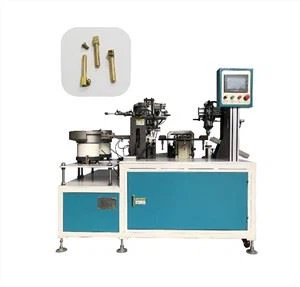
As a supplier of customized riveting machines, we are committed to providing high – quality machines and comprehensive support to our customers. We understand the importance of safety in the workplace and strive to help our customers operate our machines safely.
Vibrating Sorters If you are interested in purchasing a customized riveting machine or have any questions about its safe operation, please feel free to contact us for further discussions. We look forward to working with you to meet your riveting needs.
References
- Industrial Machinery Safety Standards Handbook
- Manufacturer’s Manuals for Customized Riveting Machines
- Occupational Safety and Health Administration (OSHA) Guidelines for Machine Operation
Ruian Hensen Automatic Machinery Co., Ltd.
Ruian Hensen Automatic Machinery Co., Ltd. is well-known as one of the leading customized riveting machine manufacturers and suppliers in China, featured by quality products and good price. Please feel free to buy customized riveting machine made in China here from our factory. Contact us for quotation.
Address: No.199, 3rd Kaifa road, Dongshan industrial area, Ruian, Zhejiang China
E-mail: ymy3562@vip.163.com
WebSite: https://www.hensen-machine.com/
