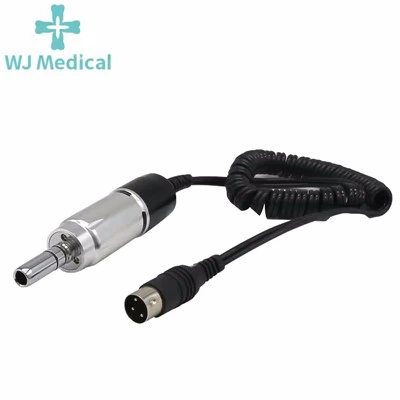
In the dynamic world of dental care, the role of dental clinic micromotors is pivotal. As a dedicated supplier of dental clinic micromotors, I’ve witnessed firsthand the evolution of these essential tools and the growing demand for high – quality, reliable equipment. One question that often arises in discussions with dental professionals is whether there are any international standards for dental clinic micromotors. This blog aims to explore this topic in depth, providing insights into the current state of international standards and their importance in the dental industry. Dental Clinic Micromotor
The Need for International Standards
First and foremost, it’s crucial to understand why international standards are so important in the dental sector. Dental clinic micromotors are complex devices that are used in a variety of dental procedures, from simple fillings to more complex restorations. These tools need to be safe, efficient, and reliable to ensure the best possible outcomes for patients.
International standards serve as a benchmark for quality and safety. They provide a common set of rules and guidelines that manufacturers can follow to ensure that their products meet a certain level of performance. For dental professionals, these standards offer a way to evaluate the quality of the micromotors they are considering purchasing. By adhering to international standards, manufacturers can demonstrate that their products have been rigorously tested and meet the necessary safety and performance requirements.
Existing International Standards
There are indeed several international standards that govern dental clinic micromotors. One of the most well – known standards is the ISO 7785 series. ISO (International Organization for Standardization) is an independent, non – governmental international organization that develops and publishes standards to ensure the quality, safety, and efficiency of products, services, and systems.
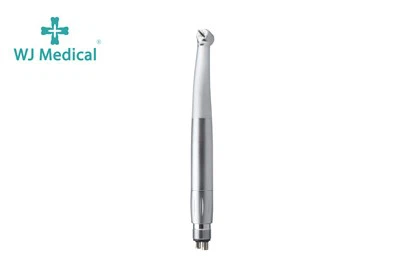
The ISO 7785 series specifically focuses on dental handpieces, which include micromotors. This series covers various aspects of dental handpieces, such as their mechanical properties, performance, and safety requirements. For example, ISO 7785 – 1 specifies the requirements for high – speed dental handpieces, while ISO 7785 – 2 focuses on low – speed dental handpieces.
These standards define parameters such as the rotational speed, torque, and power of the micromotors. They also address issues related to the durability and reliability of the handpieces, including requirements for the materials used in their construction and the testing procedures to ensure their long – term performance.
Another important standard is the IEC (International Electrotechnical Commission) 60601 series. This series of standards is related to medical electrical equipment, and since dental clinic micromotors are often electrically powered, they fall under the scope of these standards. The IEC 60601 standards cover aspects such as electrical safety, electromagnetic compatibility, and environmental requirements for medical electrical equipment.
Benefits of Adhering to International Standards
For manufacturers of dental clinic micromotors, adhering to international standards offers several benefits. Firstly, it enhances the credibility of the product. When a micromotor is certified to meet international standards, it gives dental professionals confidence in its quality and safety. This can lead to increased sales and a better reputation in the market.
Secondly, following international standards can help manufacturers avoid legal issues. In many countries, it is mandatory for medical and dental equipment to meet certain safety and performance standards. By complying with international standards, manufacturers can ensure that their products are legally compliant and avoid potential fines or product recalls.
For dental professionals, using micromotors that meet international standards means that they can rely on the equipment to perform consistently and safely. This can improve the efficiency of dental procedures and ultimately lead to better patient outcomes.
Challenges in Implementing International Standards
While international standards are essential, implementing them can be challenging for both manufacturers and dental professionals. For manufacturers, the process of obtaining certification to meet international standards can be time – consuming and costly. It requires significant investment in research, development, and testing to ensure that the products meet all the requirements.
In addition, different countries may have their own specific regulations and requirements on top of the international standards. This can create a complex regulatory environment for manufacturers, especially those who operate in multiple markets.
For dental professionals, keeping up with the latest standards and ensuring that the equipment they use is compliant can be a challenge. With the rapid pace of technological advancements in the dental industry, new standards are constantly being developed and updated. Dental professionals need to stay informed about these changes to ensure that they are using the safest and most effective equipment.
Our Commitment as a Supplier
As a supplier of dental clinic micromotors, we are fully committed to adhering to international standards. We understand the importance of providing high – quality, safe, and reliable products to our customers. Our micromotors are designed and manufactured in strict accordance with the ISO 7785 and IEC 60601 standards.
We invest heavily in research and development to ensure that our products not only meet but exceed the requirements of these standards. Our team of engineers and technicians conducts rigorous testing on each micromotor to ensure its performance, durability, and safety. We also work closely with regulatory authorities to stay updated on the latest standards and ensure that our products remain compliant.
Conclusion
In conclusion, there are indeed international standards for dental clinic micromotors, such as the ISO 7785 series and the IEC 60601 series. These standards play a crucial role in ensuring the quality, safety, and performance of dental micromotors. While there are challenges in implementing these standards, they offer significant benefits for both manufacturers and dental professionals.
Dental Implant System As a supplier, we take pride in providing dental professionals with micromotors that meet the highest international standards. If you are in the market for dental clinic micromotors and are looking for a reliable supplier, we invite you to contact us for a detailed discussion about our products and how they can meet your specific needs. We are ready to assist you in making the right choice for your dental practice.
References
- International Organization for Standardization (ISO). ISO 7785 series.
- International Electrotechnical Commission (IEC). IEC 60601 series.
Foshan Wenjian Medical Instrument Co., Ltd.
Foshan Wenjian Medical Instrument Co., Ltd. is one of the most professional dental clinic micromotor manufacturers and suppliers in China, featured by supplying high quality medical devices. Welcome to wholesale dental clinic micromotor at competitive price from our factory. For more company information, contact us now.
Address: Workshop A, Sanyi Logistics, Shishan Town, Nanhai District, Foshan City, Guangdong Province, China
E-mail: Sales24@wenjian88.com
WebSite: https://www.chinaywjmed.com/
