Hey there! I’m part of a supplier team for mixing and blending equipment, and I’ve seen firsthand how crucial it is to get the most out of these machines. Whether you’re in the food, chemical, or pharmaceutical industry, optimizing the performance of your mixing and blending equipment can save you time, money, and a whole lot of headaches. In this blog, I’ll share some tips and tricks that I’ve picked up over the years on how to make your equipment work at its best. Mixing and Blending Equipment
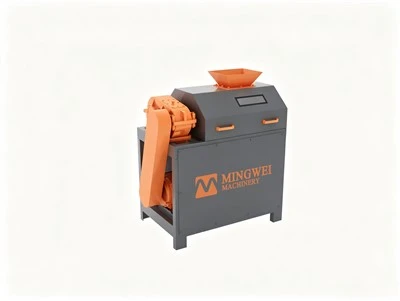
Understand Your Equipment Inside Out
The first step in optimizing your mixing and blending equipment is to really understand how it works. Different machines are designed for different types of mixing and blending tasks. For example, some are better at handling high – viscosity materials, while others are great for gentle blending of fragile ingredients.
Take the time to read the user manual thoroughly. Yeah, I know it can be a bit of a snooze, but it’s full of valuable information. It’ll tell you things like the maximum capacity, the recommended operating speeds, and the maintenance schedule. If you’re not sure about something in the manual, don’t hesitate to reach out to the manufacturer. They’re usually more than happy to help you out.
Also, familiarize yourself with the different parts of the equipment. Know where the agitators, shafts, and seals are. Understanding how these components interact with each other will give you a better idea of what might be going wrong if you start to notice any issues.
Proper Installation and Setup
You can’t expect your equipment to perform well if it’s not installed correctly. Make sure the installation site is level and stable. Uneven surfaces can cause the equipment to vibrate excessively, which not only affects the mixing quality but can also lead to premature wear and tear of the components.
When setting up the equipment, pay close attention to the alignment of the parts. Misaligned agitators or shafts can cause uneven mixing and may even damage the equipment over time. Follow the manufacturer’s instructions carefully during the installation process. If possible, have a professional technician handle the installation, especially for larger and more complex machines.
Choose the Right Mixing Parameters
Getting the mixing parameters right is key to achieving optimal performance. The two main parameters you need to focus on are speed and time.
Speed: The mixing speed depends on several factors, such as the type of material being mixed, the viscosity, and the batch size. Generally, high – speed mixing is good for quickly breaking up clumps and dispersing ingredients in low – viscosity materials. However, for high – viscosity substances or delicate ingredients, a lower speed may be more appropriate to avoid over – mixing or damaging the product. You may need to do some trial and error to find the ideal speed for your specific application.
Time: Mixing time is also crucial. Over – mixing can lead to product degradation, while under – mixing means the ingredients won’t be properly combined. Start with the manufacturer’s recommended mixing time, but again, be prepared to make adjustments based on your actual results. You can use quality control tests to determine if the mixing is sufficient. For example, you can take samples from different parts of the batch and check for consistency in color, texture, or chemical composition.
Regular Maintenance is a Must
One of the biggest mistakes you can make is neglecting the maintenance of your mixing and blending equipment. Regular maintenance not only extends the lifespan of the equipment but also ensures that it operates at peak performance.
Cleaning: Clean the equipment thoroughly after each use. Residue left in the machine can build up over time, affecting the mixing efficiency and potentially contaminating future batches. Use the appropriate cleaning agents recommended by the manufacturer, and make sure to reach all the nooks and crannies, including the agitators, the mixing vessel, and the pipes.
Lubrication: Many moving parts in the equipment, such as bearings and gears, need to be lubricated regularly. Lubrication reduces friction, which in turn reduces wear and tear and helps the machine run more smoothly. Check the lubrication levels frequently and follow the manufacturer’s guidelines on the type and frequency of lubrication.
Inspection: Conduct regular inspections of the equipment. Look for signs of wear and tear, such as cracks in the agitators, leaks in the seals, or loose bolts. Catching these issues early on can prevent more serious problems down the road. You can perform a simple visual inspection yourself, but it’s also a good idea to have a professional technician do a more in – depth inspection periodically.
Upgrade and Modernize
As technology advances, there are often new features and improvements available for mixing and blending equipment. Consider upgrading your existing machines to take advantage of these new developments.
Newer models may have more efficient motors, which can save you energy costs. They may also come with advanced control systems that allow you to precisely adjust the mixing parameters, resulting in more consistent and high – quality products.
If upgrading isn’t an option right away, you can still look into adding some aftermarket accessories. For example, you can install a high – shear mixer attachment to improve the dispersion of ingredients, or a better sealing system to prevent leaks.
Train Your Operators
No matter how good your equipment is, if your operators don’t know how to use it properly, you won’t get the best performance. Provide comprehensive training for your operators on how to operate, clean, and maintain the mixing and blending equipment.
Training should cover not only the basic operation of the machine but also safety procedures. Make sure your operators understand the potential hazards associated with the equipment, such as moving parts and electrical components, and know how to prevent accidents.
Encourage your operators to share their experiences and suggestions for improvement. They’re the ones using the equipment every day, so they may have valuable insights on how to optimize its performance.
Monitor and Analyze Performance
Keep track of the performance of your mixing and blending equipment over time. You can use data such as energy consumption, mixing time, and product quality to evaluate how well the machine is working.
If you notice a sudden change in any of these parameters, it could be a sign of a problem. For example, an increase in energy consumption may indicate that the motor is working harder than normal, which could be due to a mechanical issue or incorrect operation.
Use this data to identify areas for improvement. You can then make adjustments to the mixing parameters, perform maintenance, or upgrade the equipment as needed.
Conclusion
Optimizing the performance of your mixing and blending equipment is an ongoing process. By understanding your equipment, installing it correctly, choosing the right mixing parameters, performing regular maintenance, upgrading when necessary, training your operators, and monitoring performance, you can ensure that your equipment runs smoothly and efficiently.
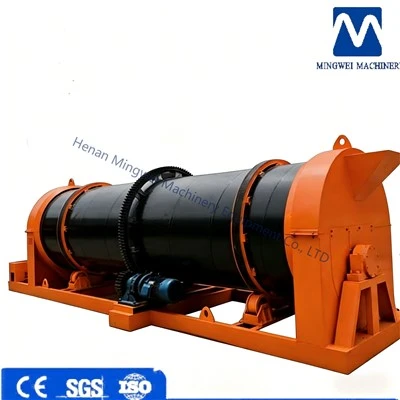
Fermentation Compost Equipment If you’re looking for high – quality mixing and blending equipment or need more advice on how to optimize your existing setup, don’t hesitate to reach out to us. We’re here to help you get the most out of your equipment and take your production to the next level. Contact us to start a conversation about your needs and how we can assist you in finding the perfect solutions.
References
- Author Last Name, First Name. (Year). Title of Book. Publisher.
- Author Last Name, First Name. (Year). Title of Journal Article. Journal Name, Volume(Issue), Page Numbers.
- Author Last Name, First Name. (Year). Title of Conference Paper. In Proceedings of the Conference Name, Location, Date, Page Numbers.
Henan Mingwei Machinery Equipment Co., Ltd.
As one of the most experienced mixing and blending equipment manufacturers in China, we have world-leading production equipment and strong manufacturing capabilities. Please rest assured to buy durable mixing and blending equipment for sale here from our factory. For price consultation, contact us.
Address: No.461 Qudong Jinsui Avenue, Hongqi District, Xinxiang City, Henan Province, China
E-mail: info@hnmwm.com
WebSite: https://www.hnmwmequip.com/
