Hey there! I’m a supplier of low-speed electric delivery cars, and today I wanna chat about how the design of these vehicles affects their functionality. It’s a topic that’s super close to my heart because, well, I deal with these cars every single day. Low-speed Electric Delivery Car

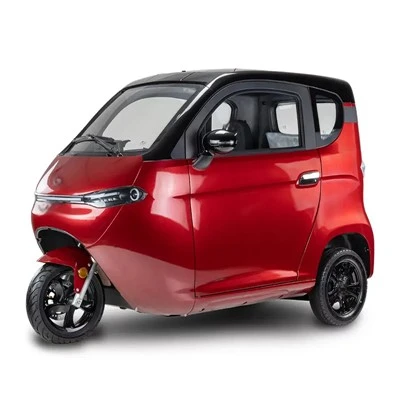
Let’s start with the exterior design. You might think it’s all about looks, but it’s way more than that. The shape of a low-speed electric delivery car plays a huge role in its aerodynamics. A sleek, streamlined design can reduce air resistance as the car moves. You know, when there’s less air resistance, the car doesn’t have to work as hard to move forward. This means it can use less energy, which is a big deal for an electric vehicle. Less energy consumption means longer battery life, and that’s a major selling point for delivery companies. They don’t want to have to stop and charge their vehicles too often because it slows down the delivery process.
Take the front end of the car, for example. If it’s blunt and boxy, it’ll create more drag. On the other hand, a rounded or sloped front end can slice through the air more easily. That’s why you’ll notice that some of the more modern low-speed electric delivery cars have a more aerodynamic profile. It’s not just for show; it’s a practical design choice that directly impacts the car’s functionality.
Another aspect of the exterior design is the size and shape of the cargo area. Delivery companies need to transport all sorts of goods, from small packages to larger items. So, the cargo area has to be designed in a way that maximizes space utilization. Some cars have a rectangular cargo area, which is great for stacking boxes neatly. Others have a more irregular shape, but they might have compartments or shelves that can be adjusted to fit different types of cargo.
The height of the cargo area is also important. If it’s too low, it might not be able to accommodate taller items. But if it’s too high, it could affect the car’s stability. So, finding the right balance is crucial. And let’s not forget about the access to the cargo area. Doors that open wide and smoothly make it easier for drivers to load and unload packages quickly. Some cars even have rear liftgates or side sliding doors, which can be really convenient depending on the delivery situation.
Now, let’s talk about the interior design. The driver’s comfort is a big factor in the functionality of these cars. After all, delivery drivers spend a lot of time behind the wheel. The seat needs to be adjustable, with good lumbar support. It’s no fun to be driving around all day with a sore back. The dashboard layout should be intuitive, with easy-to-reach controls. You don’t want the driver to have to take their eyes off the road for too long to adjust the radio or turn on the heater.
The visibility from the driver’s seat is also super important. Large windows and a well-placed windshield can give the driver a better view of the road and their surroundings. This is especially important when making deliveries in busy urban areas or tight parking lots. Blind spots can be a real hazard, so car designers need to do their best to minimize them.
In terms of technology, the interior design can also incorporate features that enhance functionality. For example, a built-in GPS system can help drivers find their delivery destinations quickly and efficiently. Some cars even have connectivity options that allow drivers to receive delivery instructions directly on a screen in the car. This can save a lot of time and reduce the chances of errors.
Let’s move on to the chassis and suspension design. The chassis provides the structural support for the entire vehicle, and it needs to be strong enough to withstand the weight of the cargo and the normal wear and tear of driving. A well-designed chassis can also improve the car’s handling and stability.
The suspension system is responsible for smoothing out the ride and keeping the wheels in contact with the road. For a low-speed electric delivery car, a good suspension system is essential. It can help protect the cargo from damage by reducing the impact of bumps and potholes. It also makes the ride more comfortable for the driver.
There are different types of suspension systems available, and the choice depends on the specific needs of the delivery car. For example, a leaf spring suspension is simple and durable, making it a popular choice for heavier loads. On the other hand, a coil spring suspension can provide a smoother ride and better handling.
The battery and motor design are also key factors in the functionality of low-speed electric delivery cars. The battery is the heart of the vehicle, providing the power to drive the motor. The capacity of the battery determines how far the car can travel on a single charge. A larger battery capacity means a longer range, which is great for delivery routes that cover a lot of ground.
But it’s not just about the capacity. The battery’s charging time is also important. Delivery companies don’t want their vehicles to be out of commission for too long while they’re charging. That’s why some manufacturers are working on developing fast-charging batteries or battery swapping systems.
The motor design affects the car’s performance. A more powerful motor can provide better acceleration and climbing ability. This is important when the car needs to start and stop frequently during deliveries or when it has to navigate hilly terrain. However, a more powerful motor also consumes more energy, so it’s a balance between performance and efficiency.
Safety features are another aspect of design that impacts functionality. Low-speed electric delivery cars need to be equipped with features like anti-lock brakes (ABS), airbags, and stability control. ABS helps prevent the wheels from locking up during braking, which can improve steering control. Airbags can protect the driver in case of a collision. Stability control helps keep the car stable when cornering or in slippery conditions.
These safety features not only protect the driver but also the cargo. A collision can damage the goods being transported, and it can also cause delays in the delivery schedule. So, investing in good safety design is a win-win for everyone.
In conclusion, the design of low-speed electric delivery cars has a profound impact on their functionality. From the exterior aerodynamics to the interior comfort, from the chassis and suspension to the battery and motor, every aspect of the design plays a role in how well these cars perform. As a supplier, I’m always looking for ways to improve the design of our cars to meet the evolving needs of delivery companies.
If you’re in the market for low-speed electric delivery cars and want to learn more about how our designs can benefit your business, don’t hesitate to reach out. Let’s have a chat and see how we can work together to make your delivery operations more efficient and cost-effective.
4-Wheeler Electric Mini Car References
- Automotive Design Principles: A Comprehensive Guide
- Electric Vehicle Technology Handbook
- Delivery Fleet Management Best Practices
Taizhou Xiangyuan New Energy Technology Co., Ltd.
As one of the most professional low-speed electric delivery car manufacturers and suppliers in China, we’re featured by quality products and low price. Please rest assured to wholesale cheap low-speed electric delivery car made in China here from our factory. Contact us for customized service and pricelist.
Address: NO.7HUANGJIN ROAD,METAL RESOURCES RECYCLING INDUSTRY BASE, LUQIAO, TAIZHOU, ZHEJIANG
E-mail: order@jiajiev.com
WebSite: https://www.jiaji-ev.com/
