Fused alumina-based materials have long held a significant place in various industries due to their remarkable properties. As a leading supplier of other fused alumina-based materials, I am often asked about the mechanical properties that make these materials so desirable. In this blog, I’ll delve into the key mechanical characteristics of these materials, explaining how they contribute to their wide-ranging applications. Other Fused Alumina-Based Materials

Hardness and Abrasion Resistance
One of the most notable mechanical properties of other fused alumina-based materials is their high hardness. This hardness is a result of the strong ionic and covalent bonds within the alumina crystal structure. On the Mohs scale of hardness, alumina-based materials typically rank around 9, second only to diamond (which has a hardness of 10). This exceptional hardness gives these materials excellent abrasion resistance.
In industrial applications where wear and tear are major concerns, such as in mining, cement production, and metalworking, the abrasion resistance of fused alumina-based materials is invaluable. For example, in mining operations, these materials are used to line chutes, hoppers, and cyclones. The high abrasion resistance ensures that these components can withstand the constant flow of abrasive minerals and ores without significant damage, reducing maintenance costs and downtime.
In the manufacturing of cutting tools, the hardness of fused alumina-based materials allows them to maintain a sharp cutting edge for extended periods. This is particularly important in high-speed machining operations, where the cutting tool is subjected to high temperatures and pressures. The ability to resist wear and maintain dimensional stability under these conditions results in higher precision and better surface finish of the machined parts.
Strength and Toughness
The strength of other fused alumina-based materials is another important mechanical property. These materials exhibit high compressive strength, which means they can withstand large forces without being crushed. This property makes them suitable for use in applications where high loads are applied, such as in the construction of refractory linings for furnaces and kilns.
Refractory linings are exposed to extreme temperatures and mechanical stresses during the operation of furnaces and kilns. The high compressive strength of fused alumina-based materials ensures that the lining can support the weight of the molten metal or other materials inside the furnace without collapsing. Additionally, the materials’ resistance to thermal shock, which is related to their strength and toughness, allows them to withstand rapid temperature changes without cracking.
Toughness is a measure of a material’s ability to absorb energy and deform plastically before fracturing. While alumina is generally considered a brittle material, modern manufacturing techniques have enabled the production of fused alumina-based materials with improved toughness. This is achieved through the addition of certain additives or the use of composite structures.
In applications such as armor plating and ballistic protection, the toughness of fused alumina-based materials is crucial. These materials can absorb the energy of high-velocity projectiles, reducing the likelihood of penetration and protecting the underlying structures or personnel. The combination of high strength and improved toughness makes these materials an effective choice for demanding defense and security applications.
Thermal Expansion and Dimensional Stability
The coefficient of thermal expansion (CTE) is an important mechanical property that describes how a material changes in size with temperature. Other fused alumina-based materials typically have a relatively low CTE, which means they expand and contract less than many other materials when exposed to temperature changes.
This low CTE contributes to the dimensional stability of these materials. In applications where precise dimensions are critical, such as in the manufacturing of optical components and semiconductor wafers, the low thermal expansion of fused alumina-based materials ensures that the components maintain their shape and size over a wide range of temperatures. This is essential for achieving high precision and reliability in these high-tech applications.
In addition, the low CTE also helps to reduce thermal stresses within the material. When a material is heated or cooled rapidly, the difference in expansion or contraction between different parts of the material can cause internal stresses. If these stresses are too large, they can lead to cracking or other forms of damage. The low CTE of fused alumina-based materials minimizes these thermal stresses, improving the durability and performance of the material in thermal cycling applications.
Flexural Strength
Flexural strength, also known as bending strength, is the ability of a material to resist deformation under a bending load. Fused alumina-based materials typically have good flexural strength, which makes them suitable for use in structural applications where bending forces are present.
For example, in the construction of bridges and buildings, these materials can be used in the form of structural elements such as beams and columns. The high flexural strength allows these elements to support the weight of the structure and resist bending without failure. In addition, in the manufacturing of mechanical parts such as shafts and gears, the flexural strength of fused alumina-based materials ensures that the parts can withstand the applied loads and maintain their integrity during operation.
Fatigue Resistance
Fatigue resistance is the ability of a material to withstand repeated loading and unloading cycles without failing. In many industrial applications, components are subjected to cyclic loads, which can cause fatigue damage over time. Other fused alumina-based materials have good fatigue resistance, which makes them suitable for use in these applications.
For example, in the automotive industry, engine components such as pistons and valves are subjected to high-frequency cyclic loads during operation. The fatigue resistance of fused alumina-based materials allows these components to endure the repeated stresses without cracking or failing prematurely, improving the reliability and performance of the engine. In the aerospace industry, where components are exposed to extreme conditions and cyclic loads during flight, the use of fused alumina-based materials with high fatigue resistance is crucial for ensuring the safety and integrity of aircraft structures.
Applications of Other Fused Alumina-Based Materials Based on Their Mechanical Properties
The unique combination of mechanical properties of other fused alumina-based materials makes them suitable for a wide range of applications. In addition to the industries mentioned above, these materials are also used in the chemical, energy, and electronics industries.
In the chemical industry, fused alumina-based materials are used in the construction of reactors, piping systems, and other equipment that comes into contact with corrosive chemicals. The high abrasion resistance and chemical stability of these materials ensure that the equipment can withstand the harsh chemical environment and operate for long periods without significant damage.
In the energy industry, these materials are used in the production of solar panels, fuel cells, and other renewable energy technologies. The high strength, thermal stability, and electrical insulation properties of fused alumina-based materials make them ideal for use in these applications, where they can improve the efficiency and reliability of the energy conversion devices.
In the electronics industry, fused alumina-based materials are used in the manufacturing of printed circuit boards, semiconductor packaging, and other electronic components. The low thermal expansion, high electrical insulation, and good mechanical strength of these materials contribute to the high performance and reliability of electronic devices.
Conclusion
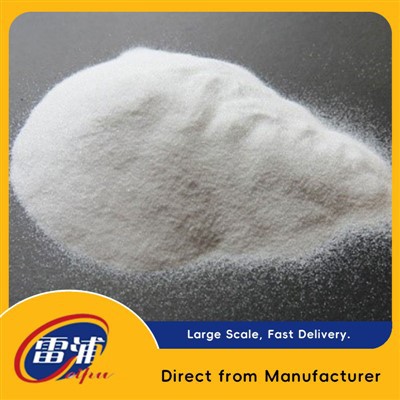
In conclusion, the mechanical properties of other fused alumina-based materials, including hardness, abrasion resistance, strength, toughness, thermal expansion, flexural strength, and fatigue resistance, make them versatile and valuable materials in a wide range of industries. As a supplier of these materials, I am committed to providing high-quality products that meet the specific needs of our customers.
Hydrated Alumina If you are interested in learning more about our other fused alumina-based materials or have a specific application in mind, I encourage you to contact us to discuss your requirements. Our team of experts is ready to work with you to find the best solutions for your business.
References
- ASTM International. Standard Test Methods for Abrasion Resistance of Materials (Using the Taber Abraser). ASTM D4060 – 19.
- Callister, W. D., & Rethwisch, D. G. (2017). Materials Science and Engineering: An Introduction (9th ed.). Wiley.
- Askeland, D. R., & Phule, P. P. (2016). The Science and Engineering of Materials (7th ed.). Cengage Learning.
Shandong Leipu New Material Technology Co., Ltd.
With abundant experience, we are one of the most professional other fused alumina-based materials manufacturers and suppliers in China. Please feel free to buy high quality other fused alumina-based materials for sale here and get quotation from our factory. For price consultation, contact us.
Address: Advanced Ceramic Industry Innovation Park, No. 125, Liuquan Road, High-tech Zone, Zibo City, Shandong Province
E-mail: 2330389088@qq.com
WebSite: https://www.sdleipu.com/
