Hey everyone, it’s Jake here from your go-to vacuum furnace supplier – you know, the crew that’s actually on-site fixing your units at 2 a.m. when your heat treat run goes south. Today, we’re talking about something that doesn’t get nearly enough love: storing your vacuum furnace when it’s not in use. I’ve lost count of how many times I show up to a customer’s plant, see a furnace sitting dormant for months with a dust layer thick enough to bake into the chamber, and think, “Dude, that’s gonna cost you way more than the 10 minutes it takes to prep for storage.” If you’re new to the game, or you’ve stashed a unit and watched it throw a fit when you fire it back up, this post is for you. No stuffy textbook jargon, just real-world stuff I’ve learned over 12 years in this business. Let’s dive in. Vacuum Furnace

First off, let’s get one thing straight: vacuum furnaces aren’t like your old garage lawnmower that you just drain the gas and toss under a tarp. These things are precision machines – delicate sensors, vacuum pumps that hate sitting idle, chambers that rust faster than a cheap bike left out in rain. I see two main scenarios when furnaces go into storage: either a shop is slowing down for a holiday (like that end-of-year lull where everyone’s shut down for 2 weeks), or it’s a longer-term stash – like 6+ months for a plant that’s shifting production lines. The steps are similar, but there are tweaks for short vs. long term, and I’ll call those out as we go.
Let’s start with the prep work before you even think about locking the door. First thing: run a full “clean cycle” first. I don’t care if the last load was a batch of small steel parts – leftover oil, coolant, or even metal shavings in the chamber are gonna turn into crusty crap that’s a nightmare to scrub out later. Here’s what that clean cycle should look like: turn the heat up to like 200-250°C (392-482°F) and run the vacuum pump for 2-3 hours. That’ll suck out any moisture, volatile compounds, and tiny debris that’s hanging around. Pro tip: if you have a diffusion pump (the big one, not the roughing pump), shut it down properly – don’t just flip the switch and walk away. Let it cool down to room temp before turning off the water and gas lines. I’ve seen guys skip that and crack a pump’s seal – $15k repair, all because of 5 minutes of waiting.
Next, empty everything out. Remove any workholding fixtures, trays, baskets – don’t leave ’em in there. Even if they’re stainless steel, moisture in the chamber will make them pit, and if you leave a steel tray leaning against the wall, that’s a rust stain you’ll never fully get out without sandblasting. If you’re storing fixtures for more than a month, wipe ’em down with a light coat of machine oil, wrap ’em in plastic, and stow ’em in a dry cabinet – trust me, you’ll thank yourself when you need them next. Also, take out any consumables: that’s your hot zone elements, insulation boards, gaskets. Wait, why? Hot zones are made of graphite or ceramic, right? Graphite sucks up moisture like a sponge, and if it sits wet for months, it’ll degrade – not only does that make it weaker, when you fire the furnace back up, that moisture will outgas like crazy, killing your vacuum. Gaskets, especially the Viton ones on the door, get hard and brittle if they’re exposed to no vacuum (and no pressure balancing) for too long. Pop ’em out, wipe ’em down with a little silicone grease, and store ’em in a cool, dark place. Don’t stack gaskets on top of each other – they’ll stick and tear when you try to put ’em back.
Now, the chamber itself. That’s the most important part – if the chamber rusts, your vacuum will never hold, and a new chamber is like 30-40% of the cost of a whole furnace. I see so many guys just spray a little WD-40 in there and call it a day. Don’t do that. WD-40 is a lubricant, not a rust inhibitor for long-term storage. Here’s what works best: after your clean cycle is done and the chamber’s fully cool, wipe the entire interior with a lint-free cloth (no paper towels – they leave little fibers that get stuck and cause vacuum leaks) and a food-grade rust inhibitor, not that heavy industrial stuff. Heavy oil can outgas when you fire the furnace back up, which will mess with your vacuum. Food-grade works because it’s thin, protects against rust, and burns off completely during the first run. Once you’ve wiped it down, leave the door cracked about an inch – don’t shut it all the way. Trapping moisture inside is the #1 enemy here. If you’re storing it long-term, throw a few desiccant bags inside too – the ones you get with new shoes work, or you can get big ones from a supply store. Those will soak up any leftover humidity.
Now, the vacuum pumping system – that’s the heart of your furnace, and it hates being idle. First, the roughing pump (the smaller, oil-sealed pump that gets the chamber down to rough vacuum). If it’s got oil, change it before storage. Old oil has moisture and contaminants that will settle in the pump, corrode the internals. Run the pump dry for 10 minutes after changing the oil to suck out any leftover moisture, then turn it off and cap the inlet and outlet lines. Don’t leave the pump connected and open – dust and moisture will get in there, and the pump will seize when you go to start it again. What about the diffusion pump? Same thing: drain the old oil, replace it with fresh, cap its lines, and if possible, move it into a dry space if it’s external. Some smaller furnaces have turbomolecular pumps – those are even more sensitive. If you have a turbo, spin it up to full speed once a month for 10 minutes, even if the chamber’s not attached. Dust and oil can settle on its blades, causing imbalance. I’ve had a customer skip that and blow a turbo motor – $8k repair, all because he thought it didn’t need moving.
Now, external parts. Let’s talk about the control panel. That’s the brain – don’t let that sit in a dusty, humid space. First, unplug it. Cover it with a plastic dust cover (most suppliers sell these, or you can use a thick moving blanket if you need to) – but make sure it’s breathable. Don’t wrap it in plastic so tight it traps moisture. If you can, prop it open a little to let air circulate. The wires too: check all the connections on the back of the control panel, the ones going to the pumps and heating elements. Tighten any loose ones, and if there’s any exposed metal, spray a little dielectric grease on them to prevent corrosion. Also, if your furnace has water cooling lines (most do, for the pump and hot zone), drain all the water completely. Even a little bit of water left in a line will freeze if it’s a cold shop, or turn into mineral deposits that clog the lines. Blow compressed air through all the lines after draining to get every last drop out. I can’t tell you how many times I’ve pulled a furnace out of storage and found a pump line clogged with mineral build-up – cost weeks of downtime because we had to unclog it.
Now, location. Where you store the furnace matters more than most people think. Don’t stick it in a corner of the shop that’s next to a loading dock, or where rain can seep in, or where the floor is damp. If you have to store it inside, pick a flat, level spot (furnaces are heavy, like 10,000 lbs or more, so don’t set it on uneven ground or it’ll warp the chamber) and away from any heavy equipment that could bump into it. If you have to store it outside (which I don’t recommend), build a temporary shelter – a lean-to or a portable metal shed – and elevate the furnace on concrete blocks so it’s not sitting directly on the ground. No outside storage for more than a month, by the way – even a good shelter can’t keep moisture and dust out long-term.
Wait, let’s split that short-term vs. long-term thing I mentioned earlier. Short-term is anything less than 6 months – like the holiday shutdown I was talking about. For short-term, you don’t need to replace all the pump oil or wrap the control panel in plastic. You can skip the desiccant bags, just make sure the chamber is wiped down with a light rust inhibitor, door cracked, and all lines capped. That’s it, and it’ll be good for 2 months easy. Long-term, though – 6+ months – is when you need to do all that extra stuff: replace pump oil, remove hot zone parts, wrap fixtures, cap every line, move the control panel to a dry area. I had a customer a few years back who stashed a furnace for 10 months, skipped the oil change and desiccant, and when he fired it back up, his diffusion pump was full of sludge and his chamber had a rust ring around the door. Cost him $12k in repairs and 3 weeks of downtime. Don’t be that guy.
Now, the big mistake I see almost every shop make when they pull a furnace out of storage: not doing a test run first. Don’t just fire it up and load parts right away. Do a “break-in cycle” – run the vacuum down to its normal operating level (like 1e-5 torr or whatever your furnace uses) and hold it for 2 hours. If the vacuum holds steady, great. If not, you’ve got a leak – check the door gasket first, that’s the #1 culprit after storage. Then, turn the heat up to 100°C, hold for an hour, then 200°C, hold for another hour. That’ll burn off any leftover inhibitor or moisture that’s still in the chamber. Once that test run is done, you can load your parts. No sense in ruining a batch of expensive tool steel because you skipped the test run.
Quick pro tips I’ve picked up over the years, the stuff that’s not in the manual. First, label everything. When you remove gaskets or fixtures, put a label on them saying which door they go to or which tray they’re from. Nothing’s worse than trying to fit a door gasket back on and realizing you swapped it with another one from a different furnace, and it’s the wrong size. Second, if your furnace has a gas line for backfilling (most do, for inert gas), cap that too. Dust can get in, and if you accidentally open it, you don’t want dirt going into the chamber. Third, for long-term storage, take photos of everything – the control panel settings, the way the door latch lines up, how the hot zone is positioned. When you go to put it back together, you’ll be glad you have photos, instead of guessing and spending hours adjusting stuff.
Now, let’s talk about why this matters beyond just not breaking your furnace. Your vacuum furnace is a huge investment – we’re talking tens of thousands, even hundreds of thousands of dollars for a big industrial unit. Storing it properly isn’t just maintenance, it’s protecting your bottom line. I’ve seen a shop store a $200k furnace wrong, have to replace the chamber and pumps, that’s $120k in repairs, not to mention the lost production time. On the flip side, I have a customer who’s had furnaces sitting for a year and a half, prepped exactly how we told him, and when he fired ’em back up, they ran like new. Saved him a fortune.
If you’re reading this and thinking, “Man, that’s a lot of steps, I don’t have time for that” – let’s be real, we’re all busy. That’s why we offer furnace storage prep services, by the way. Our techs will come out, run all the cycles, prep the chamber, service the pumps, do everything we talked about, so you don’t have to lift a finger. No need to mess up your production schedule.
At the end of the day, storing a vacuum furnace when it’s not in use is all about protecting the two most valuable parts: the chamber (rust = dead chamber) and the vacuum system (idling pumps = dead pumps). It’s not rocket science, but it’s specific to these machines – you can’t treat ’em like a regular industrial oven. Skip the WD-40 for the chamber, don’t leave stuff in there, change the pump oil, do a test run before you load parts. That’s the formula.
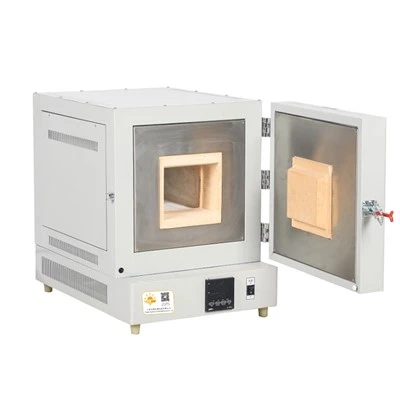
If you have any questions, or if you need help prepping your furnace for storage, or if you’re ready to replace an old unit and get a new one that’s built to stand up to long runs and proper storage, hit us up. We’re here to help you keep your furnaces running, not just sell you equipment.
Annealing Furnace References
- Vacuum Furnace Technology: Principles and Practice, 3rd Edition, ASM International, 2020.
- Industrial Vacuum Equipment Maintenance Guidelines, National Heat Treat Association, 2022.
- Vacuum Pump and System Storage Best Practices, Pfeiffer Vacuum Technical Documentation, 2021.
Danyang Dingfeng Industrial Furnace Co., Ltd.
Danyang Dingfeng Industrial Furnace Co., Ltd. is one of the most experienced vacuum furnace manufacturers and suppliers in China, also supports customized service with low price. Please feel free to wholesale high quality vacuum furnace made in China here from our factory. For pricelist, contact us now.
Address: Lizhuang Economic Development Zone, Danyang City
E-mail: saleszk@dffurnace.com
WebSite: https://www.dffurnace.com/
