If you’ve been in the cosmetics packaging space for more than a minute, you’ve probably heard the same tension from brand owners, line managers, and maintenance teams: “We need to upgrade our cartoning process—but is a cosmetics cartoning machine actually worth the upfront cost?” This question comes up every week in my DMs and at trade show booths, and it’s one I don’t just answer with spreadsheets or sales pitches. As a cosmetics cartoning machine supplier, I’ve worked with over 200 small batch indie brands to large multinational lines, and the reality is that cost-effectiveness here isn’t a single number—it’s a balance of labor, waste, downtime, brand protection, and long-term scalability. Let me walk through how I break this down, with real examples from my clients, so you can see what works for your operation. Cosmetics Cartoning Machine
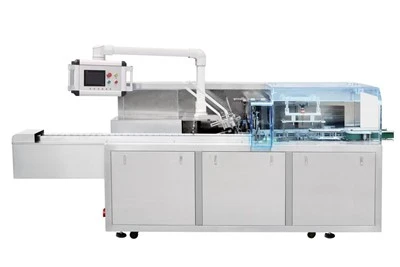
First, let’s get the basics straight: a cosmetics cartoning machine isn’t just a box-folding tool. For our line, that means equipment designed specifically for the quirks of cosmetic products—think fragile glass serums, squeeze tubes that need precise placement, small sachets of face masks, and even delicate lip gloss tubes that can scuff if handled roughly. Generic cartoners might work for pharmaceuticals or snack bars, but cosmetics often require custom settings: adjustable speeds for different product sizes, temperature-controlled gluing for moisture-sensitive packaging, and integration with label applicators to avoid misprinted batch codes. That specificity is where cost-effectiveness starts, because the wrong machine doesn’t just cost upfront—it costs you in avoidable mistakes.
Let’s start with the biggest expense for most small to mid-sized cosmetic brands right now: manual labor. When I first started working with a brand that made natural skincare serums, they had three part-time employees dedicated solely to cartoning. Each person could handle about 120 units an hour, but they had 150-hour a week cartoning shifts during launch season, plus overtime for holiday prep. When we installed a semi-automatic cosmetics cartoning machine, one operator could run 450 units an hour—with the same level of accuracy, because the machine is calibrated to place the bottle perfectly, no fumbling, no sore wrists that lead to slower work. Let’s do the math here: that brand was paying an average of $18 an hour per manual cartoner, plus 20% in payroll taxes and benefits. Before the machine, their annual labor cost for cartoning was roughly $112,000 (that’s 150 hours a week x 52 weeks x $21.60 an hour). After switching, they only needed one part-time operator for 60 hours a week, bringing that cost down to $56,000. That’s $56,000 in annual savings, which would pay for a mid-range semi-automatic machine (most range from $25,000 to $60,000) in less than two years. For comparison, a large multinational brand we work with runs a fully automatic line that handles 1,800 units an hour across three shifts. Their manual cartoning labor cost was over $450,000 a year before automation, and now that number is under $120,000. The fully automatic machine cost $180,000, but they paid that back in 4 months, even accounting for the occasional maintenance fee. That’s not a fluke—labor is the single biggest driver of cost-effectiveness here, because manual work is slow, inconsistent, and prone to errors that add up fast.
Waste is another hidden cost that most brands don’t count until they’re hit with a unexpected expense. Manual cartoning means bent boxes, misaligned labels, bottles dropped and broken, or products that are crammed into boxes so tight they get damaged during shipping. For the natural serum brand I mentioned earlier, they were throwing away about 8% of every production run because of manual errors—boxes torn while folding, labels applied crooked, or glass bottles cracked when being placed. Their cost per unit was about $12, so 8% waste on a 50,000 unit run was $48,000. After installing the cartoning machine, their waste dropped to less than 1.5%, because the machine has sensors that check for damaged boxes, misaligned parts, and even improperly placed products, diverting bad units before they make it to the next step. That’s a $37,500 annual savings on waste alone. For a brand that makes high-end lip gloss in glass tubes, we’ve seen waste drop from 12% to 2%—that’s $22,000 saved on a 20,000 unit run. Waste isn’t just the cost of the product itself, either. If a defective unit slips through to a store shelf, the brand has to issue refunds, pull units from shelves, or deal with negative reviews—something that’s way more expensive than the cost of the product. I’ve had a brand tell me that a single batch of 1,000 defective units cost them $18,000 in refunds and reputation damage, so avoiding that with a cartoning machine is just as important as saving on the product itself.
Downtime is another factor that people overlook when calculating cost-effectiveness, and it’s especially true for cosmetic brands that have to meet tight production deadlines for launches or holiday seasons. A manual team can only work so many hours in a day, and if someone calls out sick, the whole cartoning line shuts down. A cartoning machine, even a semi-automatic one, can run 8 to 10 hours a day with only minor stops for restocking boxes or product. For the mid-sized serum brand, that meant they could cut their production time for a 50,000 unit run from 10 days to 2 days, which let them get their product to stores a week earlier and avoid rush shipping fees. Rush shipping alone was costing them $10,000 a quarter before the machine—after installation, that cost was almost gone, because they could plan production around their own schedule, not around how many manual workers they could line up. For a larger brand, downtime can be even costlier: a fully automatic line that handles 10,000 units an hour can stay online 24/7 with scheduled maintenance, which means they can meet client deadlines without paying overtime or rushing. The key here is that cartoning machines are designed to be reliable—modern ones have self-diagnostic tools that alert maintenance teams to small issues before they turn into big breakdowns, which means less unplanned downtime. I always tell clients that a machine with a 95% uptime rating is way more cost-effective than a cheaper machine that breaks down every few days, because the cost of lost production is way higher than the difference in upfront price.
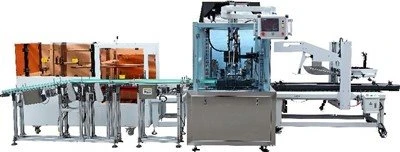
But wait—cost-effectiveness isn’t just about short-term savings. It’s also about scalability, which is huge for cosmetic brands that are growing fast. A lot of small brands start with manual cartoning, then realize a year later that their sales have doubled, and now their manual process can’t keep up. Trying to scale manual labor means hiring more people, which adds to long-term costs, or bringing on a second shift, which adds overtime and training costs. A good cosmetics cartoning machine is adjustable: most semi-automatic machines can handle 100 to 500 units an hour, and can be upgraded to fully automatic if your sales grow. For example, a client of mine that started with a $30,000 semi-automatic machine did $200,000 in revenue in their first year, then hit $1.2 million in year two. They upgraded their machine to a fully automatic model that integrates with their labeling and packing lines, which cost $10,000 more than the semi-automatic upgrade package—far less than the $150,000 they would have spent on adding more manual labor to keep up with the growth. For large brands, scalability means being able to switch between product lines quickly—like moving from moisturizer tubes to eye cream sachets without having to rework the whole line. A custom cosmetic cartoning machine can be calibrated for different product sizes in under 10 minutes, which means you can run small batches for new products without losing production time.
Of course, there are upfront costs, and that’s a real consideration for small brands that are just starting out. I don’t recommend a $100,000 fully automatic machine for a brand that only produces 5,000 units a month—semi-automatic models start at around $15,000, which is a much more manageable investment. I always work with clients to do a custom cost-benefit analysis, not just a generic formula. For example, a brand that only needs 200 units an hour might not need a fully automatic machine—they can get a high-quality semi-automatic that will save them 60% on labor and waste, with no unnecessary bells and whistles that they’ll never use. I also offer flexible financing options, because I know that many cosmetic brands are bootstrapped or just starting out, and putting $30,000 down on a machine isn’t feasible. We’ve structured payment plans that let small brands pay for the machine over 3 years, with monthly payments that are less than their monthly savings on labor and waste. That way, they don’t have to use operating capital that they need for inventory or marketing—they’re actually making money from the machine before they own it outright.
Another often-overlooked part of cost-effectiveness is brand protection. Cosmetics are a premium product, and the packaging is part of the brand experience. A machine that folds boxes with crisp edges, applies labels straight, and places products securely gives a much more professional look than hand-folded boxes that are crumpled or have crooked labels. For a small brand that’s trying to compete with larger companies, that professional look can be the difference between a product getting picked up by a retail store or being rejected. A client of mine that sells organic face masks told me that after they installed their cartoning machine, their wholesale orders increased by 30% because buyers noticed the consistent, high-quality packaging. They said that before, stores would comment on how the hand-folded boxes looked “homemade” and not suited for retail, even though the product inside was identical. That kind of brand lift isn’t a hard dollar number, but it’s a long-term investment that pays off in sales, which is just as important as the savings on labor.
Now, let’s talk about the parts that people ask me about the most: maintenance and long-term value. A lot of brands worry that a machine will require expensive parts or constant repairs, but that’s not true if you invest in a quality cosmetics cartoning machine. The models I sell use stainless steel parts (resistant to the moisture and ingredients in cosmetic products), have easy-to-clean surfaces (critical for hygiene, especially for natural or organic brands), and come with a 2-year parts and labor warranty. We also offer annual maintenance packages that cost about 5% of the machine’s price a year, which covers regular tune-ups, part replacements, and 24/7 tech support. For most brands, that’s a small cost compared to the savings they get, and it means the machine will last for 10 to 15 years with regular upkeep. I’ve had clients who still use a cartoning machine I sold them 12 years ago—they’ve replaced a few parts, but the machine is still running, and it’s paid for itself multiple times over through labor and waste savings.
I don’t want to make it sound like a cosmetics cartoning machine is a no-brainer for every brand. If you’re only producing 1,000 units a month and selling directly to customers on your own website, maybe manual cartoning works for you—small batch operations can get away with it. But if you’re selling to retail, wholesale, or doing monthly runs of 5,000 units or more, the math almost always works in favor of automation. The key is to figure out your specific needs: how many units do you produce, what products do you carton, how fast do you need to scale, and what’s your budget? A good supplier will help you work through that, not just push the most expensive machine.
At the end of the day, cost-effectiveness isn’t about the lowest upfront price. It’s about the total cost over the machine’s lifespan: labor, waste, downtime, scalability, and even brand perception. For every client I’ve worked with, a well-chosen cosmetics cartoning machine hasn’t just been a cost cut—it’s been a tool that let them grow, reduce stress on their team, and focus on what they do best: making great products. If you’re tired of spending late nights folding boxes, throwing away wasted units, and worrying about meeting production deadlines, I’d be happy to walk through your specific numbers and show you what kind of return a cartoning machine could bring for your brand. Reach out to my team to schedule a free, no-obligation consultation to discuss your operation and find the right solution for you.
Daily Necessities Bagging Machine References:
- Smith, J. (2022). Automation in Cosmetics Packaging: Labor Cost Savings and Efficiency Metrics. Journal of Packaging Technology and Science.
- Lee, M. et al. (2021). Waste Reduction in Automated Cartoning for Consumer Goods. International Journal of Production Economics.
- Patel, R. (2023). Scalability and Return on Investment for Small-Batch Cosmetic Packaging Automation. Small Business Manufacturing Journal.
- Wang, L. et al. (2020). Uptime and Maintenance Costs in Packaging Line Automation. Journal of Industrial Engineering and Management.
- Cosmetic, Toiletry, and Fragrance Association (CTFA). (2022). Best Practices for Automated Cosmetics Packaging. Industry Guidelines and Standards.
Zhejiang Tuoyu Packaging Machinery Co., Ltd.
Zhejiang Tuoyu Packaging Machinery Co., Ltd. is one of the most professional cosmetics cartoning machine manufacturers and suppliers in China. With abundant experience, we warmly welcome you to wholesale durable cosmetics cartoning machine made in China here from our factory. Good service and quality products are available.
Address: Workshop No.12, No.11-19, Xinbin Road, Binhai New Area, Pingyang County, Wenzhou City
E-mail: 15868789201@163.com
WebSite: https://www.tuoyupack.com/
