Hey there, if you’ve ever worked with industrial machinery, robotics, or even aerospace equipment, you know off-the-shelf components rarely fit exactly what you need. That’s where custom elastic components come in—and as someone who’s spent the last 10+ years sourcing and supplying these exact parts (yep, I’m on the vendor side of things, not just the user side), I’ve seen way too many teams mess up the customization process. They either waste months going back and forth on specs, or end up with a part that breaks way sooner than it should. Today, I’m breaking down how to get a custom elastic component that actually works for your use case, no headaches required. Elastic Components
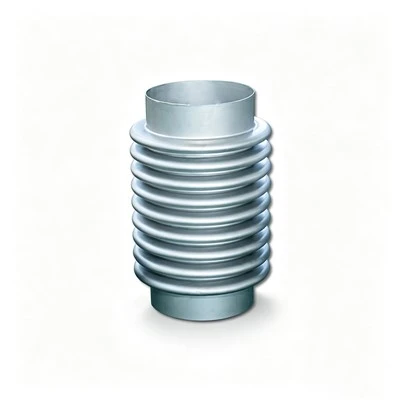
First, let’s clarify what we’re even talking about here. Elastic components are the parts that stretch, compress, or flex to do their job—think springs, rubber grommets, shock absorbers, even the rubber feet under your conveyor belt. Off-the-shelf versions are cheap and quick, but if your machine runs 24/7, operates in extreme cold, or has a unique load weight, a one-size-fits-all part just won’t cut it. Last year, a client in the heavy truck industry came to me because their standard coil springs were cracking after 6 months of off-road use. They’d ordered generic parts from a big box supplier, didn’t account for the constant vibration and temperature swings in their region, and now they were facing costly downtime. That’s exactly why customization matters: it lets you tailor everything from material to shape to exactly match your operating conditions.
The first step everyone skips? Defining your non-negotiables before reaching out to a supplier. I get it—when you’re excited to get a new part, you just send a quick “need custom spring, make it strong” and hope for the best. That’s a surefire way to get a part that’s either way too overbuilt (costing you extra cash) or way too flimsy (crashing after a week). Let’s break down the must-have details you need:
First, load requirements. This isn’t just “how much weight does it hold?” It’s dynamic load vs static load. Static load is the weight the component has to support when it’s not moving—like a spring holding a conveyor belt up when it’s idle. Dynamic load is the force when it’s moving, like when that conveyor is running and the spring is compressing and releasing thousands of times a day. Our truck client, for example, had a static load of 1,200 lbs, but the dynamic load from potholes and uneven terrain was spiking to 4,000 lbs. They didn’t mention that dynamic part until the prototype stage, which meant we had to redo the entire design and delay their order by 2 weeks. That’s avoidable.
Next, operating environment. Where is this part going to live? If it’s in a food processing plant, it can’t have chemicals that leach into food. If it’s in a ski lift, it has to handle -40°F temperatures. If it’s near a factory with oil or solvents, the material has to resist degradation there. I’ve had clients come to me with rubber grommets that worked fine in a warehouse, but failed within a month when they moved them to a refinery where the air was full of corrosive fumes. Make sure you note any temperature extremes, exposure to chemicals, UV light, or even moisture—all of that changes the material you need.
Then, size and space constraints. It doesn’t matter how strong your spring is if it won’t fit in the tiny gap you have for it. Give exact measurements, not just “it has to fit here.” If there’s a 2mm clearance around the part, mention that. If the end needs to be shaped a specific way to hook onto another piece, draw that out even if it’s a quick sketch—you don’t need a CAD master, just enough that we don’t guess wrong. Our team has had so many clients send a blurry photo and say “it looks like this” and end up with a component that’s 3mm too long, which doesn’t fit at all. That’s such a simple fix, just add measurements.
Once you’ve got those details locked in, it’s time to pick a material. This is where a lot of people go wrong—they just stick with the same material they used for off-the-shelf parts, which doesn’t work for custom stuff. Let’s go over the most common ones, and when to use each:
Rubber: Great for vibration dampening, sealing, and grippy applications. If you need a grommet to protect a wire from rubbing, or a shock absorber for light machinery, rubber’s your go-to. But not all rubber is the same. Nitrile rubber resists oil and fuel, so use that for parts near engines. Silicone works for extreme temperatures (from -100°F to 500°F) and is food-safe, perfect for food equipment. EPDM is for outdoor use—it resists UV and weather, so that’s for parts on construction equipment or outdoor playground gear.
Metal: Springs, brackets, and heavy-duty components use metal. Steel is strong and cheap, but if you need corrosion resistance, go with stainless steel. For extreme lightness, like in aerospace, titanium works but is way more expensive. Last thing: if you’re using a spring, make sure the metal’s tensile strength matches your dynamic load—too low, and it’ll snap; too high, and it’ll be too stiff to do its job.
Polymers: Stuff like polyurethane, nylon, or PTFE. Polyurethane is super tough and abrasion-resistant, so that’s for conveyor belts or parts that rub against other things a lot. PTFE is slippery, great for components that need to move smoothly without sticking. I had a client in the packaging industry who used nylon rollers on their conveyor, but they were wearing out every month. Switched to polyurethane, and they’ve gone 2 years without replacing them—game changer.
Now, the fun part: design iteration. A good custom elastic component supplier won’t just mail you one part and charge you top dollar. They should send you a prototype first, so you can test it before committing to a full order. Our process here is simple: once we get your specs, our engineers whip up a 3D model, print a prototype (or machine it, depending on the part), and send it to you for testing. That’s where real-world testing comes in—because even the best lab calculations don’t account for how your machine actually runs.
Wait, let’s talk about testing. You don’t need a fancy lab, just simulate your use case. If it’s a spring, test how many cycles it can do before it loses its strength. If it’s a rubber grommet, check if it seals correctly when your machine is running at full speed. Our truck client, for example, tested the prototype spring by driving a test truck over the same potholes that were breaking the old ones. The new spring held up, but we noticed it was still a little stiff for the rough terrain. So we adjusted the design—made the wire diameter thinner, changed the coil spacing—and sent another prototype, which worked perfectly. That’s why prototypes matter: you can fix small issues before you’re stuck with 1,000 parts that don’t work.
Now, common mistakes to avoid. Let’s get real, I’ve seen these a hundred times, so you don’t have to make them:
-
Cutting corners on specs: We once had a client who said their part needed to handle 500 lbs, but they didn’t mention it was a dynamic load that would cycle 10,000 times a day. The first prototype held up fine for static weight, but snapped after a week of cycling. That delay cost them $10k in downtime. Don’t skip the small details—they make all the difference.
-
Using a supplier that doesn’t do custom work: A lot of the big name elastic component brands only sell off-the-shelf stuff, or charge you an arm and a leg for a custom order because they outsource the work. Find a supplier that has in-house engineering and production, so you can talk directly to the people making your part. No more going through 3 customer service reps who don’t know what a coil spring is.
-
Forgetting about cost vs quantity: A lot of people think custom parts are always more expensive, but if you’re ordering 1,000 or more, the cost per part drops a lot. Small orders (under 100) will be pricier, but that’s just the cost of customization. Don’t try to order 50 parts to save money if you need 500—you’ll pay more per piece and end up with parts that aren’t as durable.
-
Ignoring lead times: Custom parts take time. Not as long as you think—most of the time, we can turn a prototype around in 1-2 weeks, and a full order in 4-6 weeks—but don’t wait until your old part breaks and you need a replacement tomorrow. Plan ahead, so you don’t rush the design and end up with a bad part.
Wait, let’s circle back to that truck client I mentioned earlier. They ended up switching to a custom spring made of high-tensile stainless steel, adjusted the coil design to flex with the terrain, and added a rubber coating to resist road salt. That part’s been on their trucks for 18 months now, no failures, no downtime. They saved more in the first 6 months than they paid for the custom part, because they didn’t have to repair their trucks or lose work because of breakdowns. That’s the value of a good custom elastic component—it’s not just a part, it’s a fix for a real problem.
Now, how do you actually get started? If you have a project where off-the-shelf parts aren’t cutting it, don’t overcomplicate it. The first thing to do is pull together all those specs I mentioned: load, environment, size, and even a quick note on what the part needs to do (like “absorb vibration” or “seal a wire”). Then reach out to a supplier that does custom elastic components—someone who will listen to your needs, not just push a generic part. Tell them you want to see a prototype, ask about their engineering process, and don’t be afraid to ask questions. A good supplier should walk you through every step, no jargon required.
If you’re still on the fence, think about it this way: off-the-shelf parts are a Band-Aid, custom parts are a solution. I’ve had clients who tried to use generic springs for their medical equipment, only to have them fail during a critical test. Switched to custom, and now their parts are compliant, reliable, and they’ve never had an issue since. For robotics teams, custom elastic components let you design grippers that are gentle enough for fragile parts but strong enough to lift heavy ones—something you can’t do with a regular rubber pad. Even in consumer goods, like the inside of a blender, a custom spring makes sure the lid clicks shut tight and doesn’t come loose when you’re blending ice.
Another thing to keep in mind: warranty. A lot of suppliers won’t warranty custom parts, because they’re made to your specs. But the good ones will stand behind their prototypes. Our company offers a 6-month warranty on all custom parts, because we know if we get the specs right, they’ll last. If a supplier won’t let you test a prototype or offer any kind of warranty, that’s a red flag—run the other way.
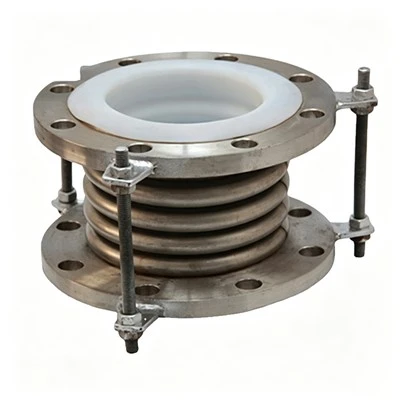
Let’s wrap this up. Customizing elastic components doesn’t have to be a nightmare. It just takes a little preparation, clear specs, and a supplier that actually understands what you need. Don’t waste time guessing on generic parts that will fail, don’t deal with a supplier that treats you like a number, and don’t skip the prototype step. The end result is a part that fits your machine, lasts longer, saves you money on downtime, and does exactly what you need it to do.
Metal Bellows If you’re ready to stop dealing with flimsy off-the-shelf parts and get a custom elastic component that works for your application, reach out to us to chat through your project. We’ll walk you through every step, answer all your questions, and get you a prototype that you can test before you commit to a full order. No fancy hoops, no confusing contracts, just straight talk and parts that work.
References
- Elastic Components Handbook, Society of Manufacturing Engineers, 2022
- Custom Mechanical Component Design Guidelines, International Organization for Standardization, 2021
- Industrial Elastic Component Performance Testing Report, Industrial Maintenance & Repair Association, 2023
Yixing Blog Pipeline Equipment Co., Ltd.
As one of the most professional elastic components manufacturers and suppliers in China, we’re featured by quality products and good service. With abundant experience, we warmly welcome you to wholesale bulk elastic components in stock here and get quotation from our factory. Customized orders are welcome.
Address: Zhizao Park, No.50 Chunjiang Road, Industrial Cluster Zone, Heqiao Town, Yixing City, Wuxi City, Jiangsu Province
E-mail: 1351116816@qq.com
WebSite: https://www.blogbellows.com/
