Hey there! I’m an industrial crushers supplier, and today I wanna chat about the training requirements for operators of these machines. Industrial crushers are heavy – duty equipment used in various industries like mining, construction, and recycling. They’re powerful, but they also come with their fair share of risks if not used correctly. So, let’s dig into what operators need to learn to handle these crushers safely and efficiently. Industrial Crushers
Safety First: The Basics
First off, safety training is non – negotiable. Operators need to know the ins and outs of safety protocols. This includes understanding personal protective equipment (PPE). They should know when to wear hard hats, safety glasses, ear protection, and steel – toed boots. Why? Well, crushers can be noisy, and the work environment often has flying debris. A simple piece of debris in the eye can cause serious injury, and long – term exposure to high – decibel noise can lead to hearing loss.
Another crucial safety aspect is lock – out/tag – out procedures. Before any maintenance or inspection work on the crusher, operators must know how to properly shut down the machine, isolate the energy sources, and apply lock – out devices. This prevents accidental startup, which could result in severe injuries or even death.
Fire safety is also important. Crushers generate a lot of heat, and in some industries, the materials being crushed can be flammable. Operators should be trained on how to identify fire hazards, use fire extinguishers, and follow evacuation procedures in case of a fire.
Machine Familiarization
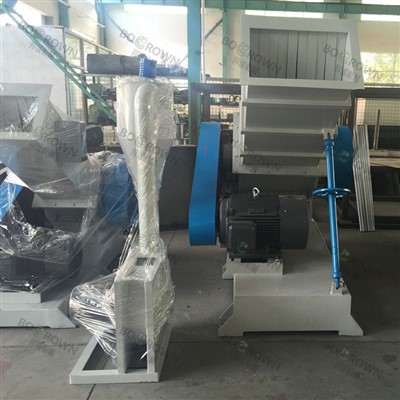
Operators need to have a good understanding of the industrial crusher they’re working with. This means learning about its components, such as the crushing chamber, conveyor belts, motors, and control panels. They should know how to read the machine’s manual, which provides detailed information about its operation, maintenance, and troubleshooting.
For example, knowing the proper range of the crusher’s feeding speed is essential. If the feed is too fast, the crusher may get overloaded, leading to mechanical failures. On the other hand, if the feed is too slow, it can reduce productivity. Operators should also understand how to adjust the crushing size according to the requirements of the end product.
Operating Skills
Once operators are familiar with the crusher’s components, they need to learn the actual operating skills. Starting and stopping the crusher properly is the first step. They should follow a specific sequence to ensure a smooth start – up and shut – down process. For instance, they need to turn on the conveyor belts first to prevent material blockages when starting the crusher.
During operation, operators need to monitor the machine’s performance constantly. They should keep an eye on the power consumption, temperature, and vibration levels. Unusual changes in these parameters can indicate a problem. For example, a sudden increase in power consumption might mean that the crusher is struggling with a large piece of material or there is a mechanical issue.
Also, operators need to know how to handle common problems like blockages. Blockages can occur when large or irregularly shaped materials get stuck in the crushing chamber. They should be trained on how to clear the blockage safely without causing damage to the machine or putting themselves at risk.
Maintenance and Inspection
Regular maintenance and inspection are key to the long – term reliability of industrial crushers. Operators should be trained on basic maintenance tasks such as lubrication, tightening bolts, and checking the wear of components. Lubrication is important because it reduces friction between moving parts, preventing premature wear and tear.
Inspection is also crucial. Operators should know what to look for during a routine inspection. They should check for signs of cracks, leaks, and loose parts. For example, a small leak in the hydraulic system can lead to a loss of pressure and affect the crusher’s performance.
It’s also important for operators to keep a record of maintenance and inspection activities. This helps in tracking the machine’s history and can assist in predicting future maintenance needs.
Emergency Response Training
Despite all the precautions, emergencies can still happen. Operators should be trained on how to respond to different types of emergencies, such as equipment breakdowns, fires, and chemical spills.
In case of equipment breakdowns, they should know the initial steps to take to prevent further damage. For example, if a motor fails, they need to cut off the power supply immediately to avoid electrical hazards.
In the event of a chemical spill (if the crusher is used in an industry where chemicals are present), they should know how to handle the spill safely, including using the appropriate cleaning materials and following environmental regulations.
Training Delivery Methods
Training can be delivered in various ways. One common method is on – the – job training, where new operators work alongside experienced ones. This allows them to learn in a real – world setting and get hands – on experience.
Classroom training is also important. It provides a theoretical foundation, where operators can learn about safety regulations, machine principles, and troubleshooting techniques.
Online training courses can be a convenient option, especially for remote locations or for refreshing knowledge. These courses can include videos, interactive simulations, and quizzes to ensure that operators understand the material.
Keeping Skills Up – to – Date
The industry is constantly evolving, and new technologies are being introduced to industrial crushers. Operators need to keep their skills up – to – date. This can be achieved through regular refresher courses, attending industry conferences, and reading technical literature.
As a supplier, we can play a role in this. We can provide our customers with updated training materials, inform them about new product features and safety enhancements, and offer continuous support.
Conclusion
So, there you have it. The training requirements for operators of industrial crushers are extensive and cover safety, machine operation, maintenance, and emergency response. By ensuring that operators receive proper training, we can reduce the risk of accidents, increase productivity, and extend the lifespan of the crushers.
PE Centralized Feeding System If you’re in the market for an industrial crusher and want to learn more about our products and how we can support your operator training needs, don’t hesitate to reach out. We’re here to help you make the best choice for your business.
References
- Industrial Equipment Safety Manuals
- Industry – specific Training Guides
- Technical Articles from Industrial Machinery Publications
ZJG BC Machinery Co., Ltd.
As one of the most professional industrial crushers manufacturers and suppliers in China, we’re featured by quality products and good price. Please rest assured to buy cost-efficient industrial crushers for sale here from our factory. Contact us for custom service and OEM service.
Address: No.8 Lexi Road, Leyu Town, Zhangjiagang City
E-mail: sales@bcextruder.com
WebSite: https://www.bcextruder.com/
