If you’ve ever stood on a manufacturing floor where stack after stack of uniformly sized, durable fruit crates roll off a production line, chances are that line is powered by an injection molding machine built specifically for crates. I’ve spent 12 years selling, troubleshooting, and supporting these machines to food packaging producers across North America, and one truth I’ve learned early on is this: a fruit crate injection molding machine isn’t a set-it-and-forget-it piece of equipment. Skip its regular maintenance, and you’ll wind up with uneven crate walls, frequent jams, or even unplanned downtime that costs you thousands of dollars in lost production and delayed deliveries to farms and grocery stores. Today, I want to break down the routine maintenance tasks every operator and maintenance team should prioritize, tailored specifically to the unique needs of fruit crate molding machines—because these aren’t just any injection molders; they’re built to handle rigid polypropylene, produce large, load-bearing crates, and run long, consistent shifts to keep up with harvest seasons. Fruit Crate Injection Molding Machine
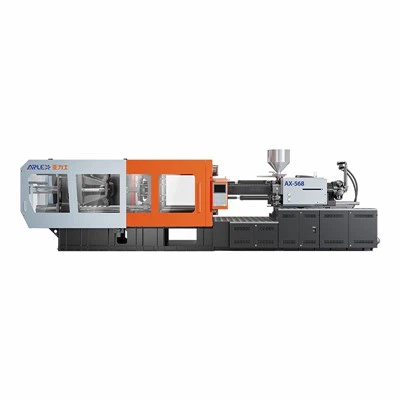
Let’s start with the component that’s literally the heart of the operation: the injection unit. This is where plastic pellets are melted, pressurized, and injected into the mold cavity to form the crate. For fruit crate applications, the material is almost always food-grade polypropylene, chosen for its strength, light weight, and resistance to moisture. Over time, residual plastic can build up on the barrel, screw, and nozzle of the injection unit. This buildup isn’t just messy—it can cause inconsistencies in the melted plastic, leading to thin spots in crate corners or warped edges that make crates unstable when stacked. I recommend a full purge and inspection of the injection unit every 500 production hours, or right after a material change (even switching from a slightly different grade of polypropylene for a custom crate size can leave residue that ruins the next run). When you do this, take apart the nozzle and check for any hardened plastic clogs—if you leave them in, they’ll narrow the flow path, reducing pressure and making crates weak enough to crack under the weight of heavy peaches or apples. Also, lubricate the screw’s feed mechanism; I’ve seen far too many operators skip this step, leading to excessive wear on the screw’s flights that requires a full replacement—something that can be avoided with a 10-minute lubrication check every week.
Next, the mold itself. This is the part that makes the shape of the crate, and it’s the most delicate component of the entire machine. Fruit crate molds are large, heavy, and have complex features: reinforced edges for stacking, ventilation holes to let air circulate around fruit, and smooth surfaces that meet food safety standards. Because of these intricate details, molds need regular care to avoid corrosion, which can come from two places: residual plastic additives and moisture from the cooling system. Every time you finish a production run, you should do a quick clean of the mold with a food-safe, non-abrasive solvent—harsh chemicals can scratch the mold’s surface, making it harder to clean next time and creating a place where bacteria can grow. Once cleaned, apply a thin layer of mold release oil specifically designed for food contact, not a generic lubricant. This prevents the plastic crate from sticking to the mold, which is especially important for crates with tight corners or ventilation slots that are easy to get hung up on. Also, check the mold’s clamping mechanism daily. The clamping unit is what holds the two halves of the mold tightly together during injection—if it’s loose, the plastic will flash (excess thin plastic) along the mold’s seam, which means you’re wasting material and have to trim every crate before it’s shipped. I keep a logbook for every machine I support to track clamping pressure; over time, hydraulic seals can wear, so the pressure will drop gradually. Catching that early, instead of waiting for flash to become a problem, saves you from reworking hundreds of crates a day.
The cooling system is another non-negotiable maintenance task, and it’s often overlooked by new operators. Fruit crates need to cool quickly and evenly once they’re injected into the mold—if cooling is inconsistent, one side of the crate will cool faster than the other, leading to warping that makes stacks of crates unstable. Most crate molding machines use water-cooling lines running through the mold, so mineral buildup is the biggest enemy here. Hard water deposits can clog these lines, reducing water flow and slowing cooling time, which can cut your production rate by 15% or more without you even noticing. Every month, you should flush the cooling lines with a mild, food-safe descaler, and inspect the lines for leaks—even a small leak can lower cooling efficiency and lead to rust buildup inside the lines. Also, check the cooling tower’s fan and filters every two weeks. Dust and debris on the fan blades reduce airflow, making the cooling system work harder and using more energy. I once worked with a produce company that skipped cooling line maintenance, and they ended up with 20% of their crates warped so badly they couldn’t be stacked—this cost them a $50,000 order to a major grocery chain because they couldn’t meet the delivery deadline during peak harvest season. Don’t let that happen to you.
Now, let’s talk about the hydraulic and pneumatic systems. These are the “muscles” of the machine, powering the clamping unit, injection screw, and mold ejection mechanism. For fruit crate molding, which requires consistent, strong force to handle large mold sizes, hydraulic fluid needs to be kept in top shape. Every 2,000 hours, you should drain and replace the hydraulic fluid, and every 500 hours, check the fluid’s level and condition. If the fluid looks dark or has a burnt smell, it’s contaminated and needs to be changed immediately—old hydraulic fluid can cause the machine to operate erratically, leading to uneven injection pressure and bad crates. Also, inspect all hydraulic hoses and seals every week. Hoses can develop cracks from constant pressure, especially on machines that run 24/7 during harvest season. A blown hydraulic hose not only stops production cold, but it can also be a safety hazard if it sprays high-pressure fluid. For pneumatic systems, which power the mold ejection pins and some auxiliary parts, drain the air moisture trap daily. Moisture in the air lines can cause the pins to stick, so crates get torn or stuck in the mold, leading to downtime while you fish them out.
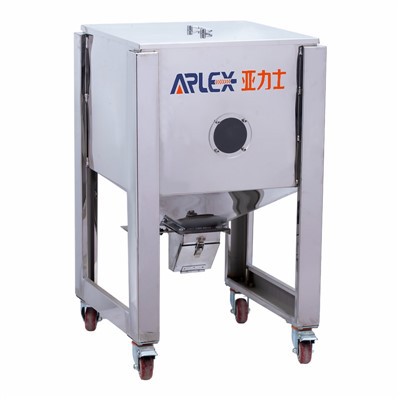
Don’t forget about the auxiliary components that keep the entire machine running smoothly, like the material hopper and the conveyors that move the finished crates away from the mold. The material hopper is where the plastic pellets are stored before being fed into the injection unit. Every week, clean out any dust or fine plastic residue that accumulates at the bottom of the hopper—this residue can get into the melt and create small, hard spots in the crate walls, which are weak points that can crack when the crate is loaded. For food safety, it’s also important to sanitize the hopper every three months, since plastic dust can harbor bacteria that might transfer to the crates. As for the conveyors, which carry the hot, newly molded crates to a cooling rack or packaging station, inspect the belts and rollers daily. Crate edges are sharp, so they can cut conveyor belts over time, leading to jams that stop the line. Lubricate the conveyor rollers every two weeks to prevent them from seizing up, which would cause crates to pile up and get damaged.
The one maintenance task that many operators skip, but that’s critical for long-term machine life, is logging and analyzing data from your machine. Every time you run a production batch, note the cycle time, injection pressure, mold temperature, and cooling time. This data will help you spot small changes before they become big problems. For example, if you notice that cycle time has increased by 10 seconds over two weeks, that might be a sign that cooling lines are getting clogged, even if you don’t see visible damage. I recommend a weekly review of this log with your maintenance team—we do this for every machine our company sells, and it’s helped customers reduce unplanned downtime by 30% in the first year of operation.
At the end of the day, maintaining a fruit crate injection molding machine isn’t just about fixing things when they break—it’s about preventing problems before they start. These machines work hard, often running 12 to 16 hour days during harvest season, so cutting corners on maintenance will only cost you more in the long run. If you’re in the market for a new fruit crate injection molding machine, or you need support to keep your current machine running at peak performance, we have the expertise to help you tailor a maintenance schedule that fits your production needs. Whether you’re a small farm packing operation or a large regional packaging supplier, we can provide training for your operators, routine on-site inspections, and genuine parts to keep your crates rolling off the line. Don’t let a lack of maintenance derail your harvest season—reach out today to discuss how we can support your equipment needs.
Hopper Dryer References
Injection Molding Maintenance: A Practical Guide for Processors. Society of the Plastics Industry, 2021.
Food-Grade Polypropylene Processing Guidelines. International Food Packaging Association, 2022.
Hydraulic System Maintenance for Industrial Machinery. Fluid Power Society, 2020.
Ningbo Yalishi (Arlex) Plastic Machinery Co., Ltd.
Address: No.63, Huangsu East Road, Industrial Zone, Dongqian Lake Tourist Resort, Ningbo, Zhejiang Province
E-mail: leo@arlex.cn
WebSite: https://www.arleximm.com/
