If you’ve ever stood next to an operating Electric Arc Furnace (EAF) during a steel tap, the sight—blinding white arcs, molten steel churning like a living thing, and that low, resonant hum that feels in your bones—hits you like no other. But what most people don’t see, and what keeps that chaotic, high-temperature process consistent, safe, and efficient, is the quiet, complex software system working behind every step. As someone who’s spent 15 years supplying EAF equipment and controls to steel mills across three continents, I’ve seen firsthand how outdated, patchwork control systems can turn a profitable EAF operation into a money-draining headache, and how the right software can boost yields by 10% or more while cutting energy use. Today, I want to break down the core software systems that power modern EAF control, explain what each does, and why picking integrated, purpose-built tools matters way more than grabbing off-the-shelf software. Electric Arc Furnace
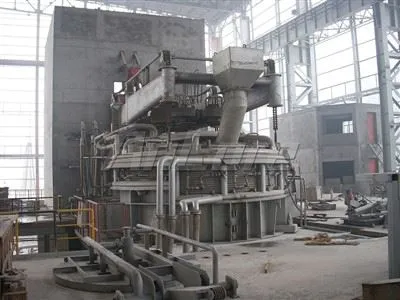
Let’s start with the foundational layer that keeps the furnace running safely and predictably: the Basic Process Control System (BPCS). Think of this as the EAF’s “skeletal nervous system”—it’s the first line of control that manages the physical hardware in real time. The big tasks here are regulating the three graphite electrodes that generate the arcs, adjusting the flow of scrap metal, oxygen, and fuel, and monitoring critical process variables: arc voltage, current, power input, and furnace temperature. Early BPCS systems relied on hardwired relays and simple logic controllers, which had to be manually tweaked by operators and could barely adjust to small fluctuations in scrap density or metal composition. Now, we use PLCs (Programmable Logic Controllers) paired with high-speed I/O modules, and their software isn’t just code—it’s purpose-built for EAF dynamics. For example, electrode position control is a BPCS job: if the arcs get too long, the system automatically lowers the electrodes to maintain a steady power draw, preventing energy waste or electrode damage. The BPCS also handles safety interlocks—like shutting off oxygen flow if a pressure sensor detects a leak, or pausing power if the furnace roof’s temperature spikes. This isn’t generic industrial software; it’s coded specifically for EAF’s unique, high-voltage, high-heat environment, because a glitch here isn’t just an inconvenience—it can lead to an explosion or a week-long shutdown.
Next, we have the Process Optimization Software, and this is where the magic happens for mill operators looking to boost efficiency. While BPCS handles the nuts-and-bolts of real-time actions, optimization software uses predictive models and historical data to make the process better over time. Most of today’s leading EAF optimization tools use a combination of machine learning (ML) algorithms and first-principles process models. For example, when a new charge of scrap arrives, the software pulls data on its composition (how much iron, carbon, copper, or other alloys it has) and then calculates the exact mix of oxygen, natural gas, and limes that will get the heat to the desired temperature and quality in the shortest time. It also accounts for external variables—like ambient temperature outside the furnace, or the efficiency of the mill’s power grid— that operators might not notice. I remember a customer in Turkey who was using a generic optimization tool that was 20% overestimating oxygen usage, leading to unnecessary costs. When we integrated purpose-built EAF optimization software, their tap-to-tap time dropped by 12 minutes (from 52 to 40 minutes) and their electrical energy use per ton of steel fell by 8 kWh. That might sound small, but for a mill producing 1 million tons of steel a year, that’s 8 million kWh saved annually—enough to power 700 homes for a full year. The best optimization software also learns over time: every heat it processes, it adds data about what worked (and what didn’t) to its model, so it gets smarter with every charge. It doesn’t replace operators, though—it gives them clear, data-backed recommendations, so they can focus on troubleshooting unusual situations instead of crunching numbers.
Then there’s the Data Acquisition and Monitoring (SCADA) layer—wait, a lot of people mix SCADA up with BPCS, so let’s clear that up. SCADA (Supervisory Control and Data Acquisition) is the “brain’s command center” that pulls data from dozens of sensors across the EAF and presents it in a way that operators can understand. The BPCS is doing the immediate control, but SCADA is collecting all that data to display on dashboards, send alerts when something is off, and log every process step for later analysis. Modern EAF SCADA software isn’t just a line graph of power use—it has customizable dashboards tailored to different roles: a shift operator might want to see real-time arc stability, a maintenance team might focus on electrode wear and cooling water pressure, and a plant manager might want daily summaries of energy use and yield. The key here is connectivity: a good EAF control system’s SCADA integrates seamlessly with other mill systems—like raw material inventory, downstream continuous casters, and even enterprise resource planning (ERP) tools. For example, if SCADA sees that the EAF is using 10% more limes than planned, it can automatically flag that to the procurement team so they can reorder before the next charge runs out. I always tell customers that a broken SCADA system is like driving a car with no dashboard—you can see the road, but you have no idea how fast you’re going or how much gas you have left.
As mills start to adopt Industry 4.0 practices, more EAF operations are adding Advanced Process Control (APC) software, which builds on top of optimization and SCADA to handle complex, dynamic processes that BPCS can’t manage alone. APC uses advanced algorithms like model predictive control (MPC) to adjust hundreds of variables at once, in real time, to hit specific targets. For EAFs, a big use case for APC is controlling the foamy slag—this is a critical step where you blow carbon and oxygen into the furnace to create a thick, insulating slag layer that reduces energy loss and protects the furnace walls from wear. Manual control of foamy slag is a balancing act: too little slag, and energy is wasted; too much slag, and you can’t see the metal bath to tap properly. APC software uses data from temperature sensors, video cameras trained on the slag surface, and off-gas analysis to adjust oxygen and carbon flow every few seconds, keeping the slag at the ideal level. One of our U.S. customers was dealing with frequent furnace wall repairs because foamy slag control was inconsistent. After we implemented APC, their furnace wall lifespan increased by 25%, cutting repair costs by over $200,000 a year. APC is especially useful for large EAFs (100 tons and up) that process high volumes of steel, because small, continuous adjustments add up to big savings over time.
Of course, none of these systems work well if they’re isolated. That’s why Integration Software is a make-or-break part of modern EAF control. I’ve seen way too many mills that have a BPCS from one vendor, optimization software from another, SCADA from a third, and ERP from a fourth, all talking to each other via clunky, custom scripts that break every time one system gets an update. The best software ecosystems for EAFs use open standards like OPC UA (Open Platform Communications Unified Architecture) to connect all these tools seamlessly, so data flows freely between the furnace, the mill’s planning team, and the quality control lab. For example, when a heat of steel is tapped, the EAF’s control system automatically sends data on its composition and tap temperature to the downstream caster, so the caster can adjust its speed and cooling to match, avoiding defects. Integration also makes it easier to upgrade systems later—you don’t have to replace your entire BPCS if you want to add a new optimization tool. That’s a big win for mills on a budget, because EAF control is a long-term investment, not a one-time purchase.
Wait, I should also mention two often-overlooked but critical software systems: Fault Detection and Diagnostics (FDD) software and Emissions Monitoring Software. FDD uses real-time sensor data to spot small issues before they turn into expensive failures—like a slight drop in cooling water flow that could lead to electrode overheating, or a subtle change in arc pattern that means a component is wearing out. For example, if the software detects that one electrode’s current is fluctuating more than usual, it can alert maintenance to check the graphite holder before the electrode breaks mid-heat, which would shut down the furnace for 4+ hours. Emissions monitoring software, meanwhile, is non-negotiable these days with strict environmental regulations in nearly every country. EAFs produce volatile organic compounds (VOCs), particulate matter, and greenhouse gases, so operators need to track emissions in real time, report to regulators, and adjust processes to stay within limits. Good emissions software doesn’t just log data—it integrates with the BPCS to automatically adjust off-gas treatment systems if emissions start to spike, avoiding fines and keeping operations compliant.
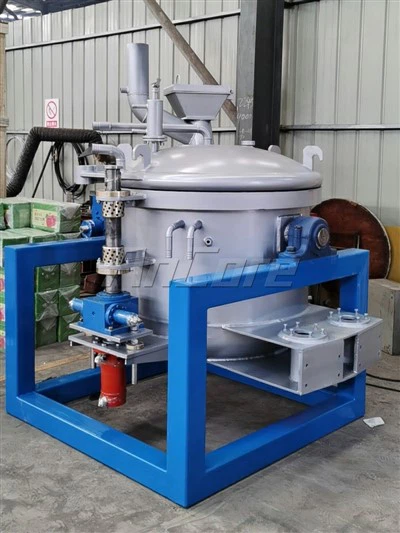
Now, let’s talk about what this means for a steel mill’s bottom line. Over my years in EAF supply, I’ve seen that investing in the right software systems (and making sure they work together) can deliver a return on investment in 18 to 24 months, compared to 5+ years for just upgrading physical equipment. The biggest benefits? Lower energy costs, higher yields, longer furnace life, and fewer unplanned shutdowns. But here’s the catch: generic software made for all industrial processes won’t work for EAFs. EAFs operate at 3,500 degrees Fahrenheit, handle variable scrap compositions, and have unique safety and emissions requirements—so software built just for chemical plants or refineries will leave a lot of efficiency on the table. That’s why working with an EAF specialist (not a generic automation vendor) matters: we build our software and control systems specifically for EAF dynamics, so every algorithm, every sensor, every dashboard is tailored to your operation.
Submerged Arc Furnace If your mill is looking to upgrade your EAF control systems, or you’re building a new EAF from scratch, now is the time to evaluate your setup. Many operators I work with wait until they’re dealing with frequent shutdowns or missed production targets to make changes, but a proactive approach will save you far more in the long run. We work with mills of all sizes, from small regional facilities to large global steel producers, to design software ecosystems that fit their needs, not a one-size-fits-all model. If you’re tired of patchy control systems, high energy bills, or unplanned downtime, we’d be happy to walk you through our latest EAF control software solutions and discuss how they can boost your operation’s performance.
References
- CIGRÉ Technical Brochure 760, “Modern Control and Automation for Electric Arc Furnaces,” 2019.
- International Iron and Steel Institute (IISI) Report, “Energy Efficiency in EAF Steelmaking,” 2021.
- K. Chen, et al., “Machine Learning-Based Process Optimization for Electric Arc Furnaces,” Steel Research International, vol. 93, no. 10, 2022.
- OPC Foundation, “OPC UA for Industrial Process Automation: EAF Use Case,” 2020.
Xi’an Ancore Furnace Complete Set Of Equipment Co., Ltd.
As one of the most professional electric arc furnace manufacturers and suppliers in China, we’re featured by quality products and good price. Please rest assured to buy durable electric arc furnace made in China here from our factory. We also accept customized orders.
Address: Yongli 11007, No.6 Jinye 1st Road, Yan Ta District, Xi’An City, Shan Xi,China.
E-mail: info@ancorefurnace.com
WebSite: https://www.ancorefurnace.com/
