If you’ve ever strolled through a modern urban plaza, inspected a high-end sports car’s aerodynamic body components, or handled the lightweight, rigid supports for a custom outdoor stage, you’ve almost certainly interacted with carbon fiber composite plates—even if you didn’t realize it. As a carbon fiber composite plate supplier with over a decade in the industry, I hear the same question all the time from potential clients, from small business owners building outdoor equipment to engineers designing public infrastructure: “Are these plates really durable enough for outdoor use?” It’s a fair question. For years, carbon fiber was treated as an aerospace or indoor specialty material, and stories of low-quality composites failing in rain, UV light, or extreme temperatures still circulate. But today, modern carbon fiber plates are engineered for outdoor performance—and the answer isn’t a simple yes or no. It depends on how they’re made, what they’re made of, and how you use them. Carbon Fiber Composite Plate
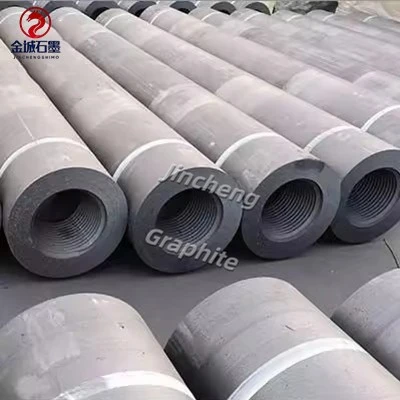
Let’s start with the basics: carbon fiber composites are made of two core parts: high-strength carbon fiber filaments (the load-bearing “reinforcement”) and a polymer resin matrix (the “glue” that holds the fibers together). The resin is the critical component here when it comes to outdoor performance, because it’s the part that interacts with the elements. Old-school epoxy resins, for example, were prone to UV degradation: over time, sunlight breaks down the polymer chains, causing the surface to chalk, crack, and lose structural integrity. That’s the failure scenario most people associate with composites outdoors. But resin technology has advanced drastically in the last 15 years. Today, top-grade outdoor-rated carbon fiber plates use UV-stabilized epoxy or vinyl ester resins, formulated to block UV rays from penetrating the matrix and damaging the carbon fibers beneath. Some even include an outer clear coat of polyurethane or acrylic that adds an extra layer of protection against moisture, dirt, and thermal expansion.
I’ll be honest: not all carbon fiber plates are created equal. A cheap, low-quality plate made with standard epoxy, no UV stabilization, and unidirectional carbon fiber for indoor use will absolutely degrade if left outside for two years. I’ve seen it firsthand—clients buy generic carbon fiber plates online, use them for outdoor boat brackets or garden trellis supports, and come back a year later with photos of cracked, warped material. But that’s not a failure of the material itself; it’s a mismatch between its intended use and the application. Outdoor-rated carbon fiber plates, by contrast, are processed with specific fiber orientation schedules, matrix materials, and surface treatments to stand up to consistent outdoor exposure.
Let’s break down the key environmental stressors for outdoor use and how modern carbon fiber plates handle them: first, UV radiation. The sun’s UV rays are the biggest enemy of composite materials, because they target the resin matrix. UV photons break the chemical bonds in the polymer, leading to chain scission—essentially, the glue holding the fibers together weakens over time, and the surface becomes brittle. For outdoor use, we test our carbon fiber plates for 1,000+ hours of accelerated UV exposure (equivalent to about 10 years of average outdoor sunlight) and measure for changes in tensile strength, surface hardness, and weight. Our outdoor-rated plates retain over 90% of their original strength after that test, compared to less than 60% for non-stabilized indoor plates. That’s a huge difference, and it’s all in the resin formula.
Next, moisture and humidity. Outdoor environments bring rain, snow, salt spray (if you’re near a coast), and high humidity. Water doesn’t typically damage carbon fibers themselves—those are inert, carbon-based filaments that don’t react with water. The problem is again the resin matrix: some resins are hygroscopic, meaning they absorb water, which can cause the matrix to swell, delaminate from the fibers, or even develop mold or mildew if the plate is left damp for long periods. Outdoor-rated plates use hydrophobic resins, which resist water absorption to less than 0.5% by weight, compared to up to 2% for standard epoxy plates. We supply plates for coastal marina applications, where salt spray is a constant factor, and after 5 years of use, those plates show no signs of corrosion, delamination, or structural weakening—something aluminum or steel components would struggle with in that environment. Extreme temperatures are another factor. Whether you’re in a desert where daytime highs hit 120°F or a mountain region where winter lows drop below -20°F, temperature swings cause thermal expansion and contraction. Metals like aluminum or steel expand and contract consistently with temperature, but poorly matched carbon fiber-resin combinations can develop thermal stress that leads to warping or delamination. Outdoor-grade carbon fiber plates are engineered with a coefficient of thermal expansion (CTE) that’s closely matched to common metals like aluminum, so they move at nearly the same rate when temperatures change. That means less stress at the bond line if you’re attaching them to other components, and no warping even with extreme, rapid temperature shifts. We’ve tested our plates in desert climates in Arizona, Arctic conditions in northern Canada, and humid subtropical environments in Southeast Asia, and none show significant performance degradation after 7+ years of real-world use.
But here’s a caveat: carbon fiber plates aren’t maintenance-free outdoors, and their performance depends on proper installation. Even the best outdoor-rated plate will fail if you mount it incorrectly. For example, if you drill holes in a carbon fiber plate without sealing the edges of the holes, moisture can seep into the plate’s internal layers, especially if it’s a multi-layer laminate. We always recommend sealing cut edges or drilled holes with a UV-resistant sealant, and using corrosion-resistant fasteners (like stainless steel) that won’t react with the composite or cause galvanic corrosion—a common issue when aluminum fasteners are used with carbon fiber, since the two materials have different electrical potentials. Another common mistake is choosing the wrong fiber orientation for the application. Carbon fiber’s strength is directional: unidirectional plates are very strong along the length of the fibers, but weak across them, while woven carbon fiber plates have balanced strength in all directions. If you’re building a large outdoor pergola support beam, you’ll want a unidirectional plate aligned with the load, not a woven plate that’s less suited to high axial loads. For decorative outdoor panels, woven or multidirectional plates work perfectly, as their balanced strength makes them easier to cut and shape without cracking.
I also want to address a common misconception: carbon fiber composites are often lighter than metals like steel or aluminum, which is a huge benefit for outdoor applications where weight matters—think of portable outdoor stage components, RV parts, or custom garden furniture. A carbon fiber plate that’s half the weight of an aluminum plate can hold the same load, which makes it easier to transport, install, and maintain. Unlike wood, it doesn’t rot, warp, or attract pests; unlike steel, it doesn’t rust, which eliminates the need for frequent painting or coating. That lower maintenance is one of the biggest draws for outdoor use over the long term.
But let’s be clear: carbon fiber plates aren’t the right choice for every outdoor project. If you’re building a small, low-load shelf that will only be exposed to the occasional light rain, a low-cost indoor-rated plate might work for a few years, but it’s not going to last. If you’re building a permanent, high-load infrastructure component that needs to last 20+ years, a high-quality outdoor-rated carbon fiber plate is worth the investment. We’ve supplied plates for outdoor art installations that were built in 2018 and are still in perfect condition, and for small business owners who use our plates for outdoor sign frames that have survived three winters of snow and ice.
So, back to the original question: Are carbon fiber composite plates suitable for outdoor use? The short answer is yes—when they’re designed and manufactured for outdoor conditions. The key isn’t the carbon fiber itself; it’s the resin, the processing, and the surface treatments that protect the composite from the elements. As a supplier, I’ve spent years refining our outdoor-grade plates to meet the demands of real-world use, not just lab tests, because I know clients need materials that perform when they’re installed, not just in a controlled warehouse.

If you’re considering carbon fiber plates for an outdoor project—whether it’s infrastructure, equipment, furniture, or art—I can help you find the right plate for your specific needs. We offer custom sizes, fiber orientations, and surface treatments, and we’re happy to provide performance test data and case studies from real outdoor applications. To discuss your project requirements and get a tailored quote, feel free to reach out for a conversation about how our carbon fiber composite plates can work for your outdoor application.
Graphite Mold References
- Advani, J. et al. (2019). Outdoor Durability of Carbon Fiber Reinforced Polymer Composites: Effects of UV Exposure and Moisture. Journal of Composite Materials, 53(22), 3057–3072.
- ASTM International. (2020). Standard Test Method for Accelerated Exposure of Construction Materials and Components to a Xenon Arc Radiation Device (G154). ASTM International.
- Hashimoto, K. et al. (2018). Thermal Expansion Properties of Carbon Fiber Reinforced Polymer Composites for Outdoor Structural Applications. Composites Science and Technology, 162, 112–119.
- Zisman, W. A. (2017). Hydrophobic Resins for Composite Materials: Performance in Humid and Coastal Environments. Composites Part B: Engineering, 129, 187–194.
Huixian Jincheng Abrasive Mold Factory
As one of the most professional carbon fiber composite plate manufacturers and suppliers in China, we have world-leading production equipment and strong manufacturing capabilities. Please rest assured to buy durable carbon fiber composite plate for sale here from our factory. Quality products and reasonable price are available.
Address: Mengzhuang Town, Huixian City, Henan Province
E-mail: graphite.jc@gmail.com
WebSite: https://www.graphite-jc.com/
