When I first started in the substation structures supply business 12 years ago, most of my clients were urban power grid operators. They had clear, standard specs: galvanized steel frames, specific load capacities, and strict adherence to urban construction codes. But about 8 years ago, a project out in central Kansas changed everything. A small rural cooperative needed a new 34.5kV substation to serve a cluster of family farms and a tiny grain elevator, and their request was nothing like the urban jobs I’d done before. That experience taught me that rural substation structures aren’t just smaller versions of urban ones—they’re built for an entirely different set of needs. Let’s break down what those needs actually are, because if you’re a provider like me, or someone managing a rural grid, getting this right isn’t just about engineering—it’s about keeping the lights on for communities that depend on every watt of power. Substation Structures
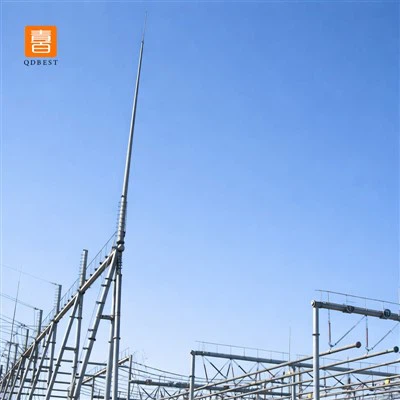
First, let’s talk about load requirements, but not the kind you’d see in a city. Urban substations have to handle constant, high-density electrical loads from neighborhoods, offices, and factories, so their structures are built to support heavy equipment, intense electrical currents, and frequent maintenance traffic. Rural substations? Their load profiles are different. A single dairy farm might use 5,000 kWh a month, while a small town nearby uses 50,000. But rural areas also have to account for extreme, unforgiving natural loads that urban zones rarely face. I’ve seen structures in western Oklahoma twisted by 80-mph straight-line winds, and posts in Minnesota pulled out of the ground by frost heave that shoves soil upward every winter. That means rural substation structures can’t just meet standard electrical load codes—they have to be engineered for site-specific environmental loads. For example, wind speeds in the Great Plains can exceed 110 mph, so our galvanized steel frames have to have deeper base plates and thicker bracing than a standard urban substation. In areas with heavy snowfall, like upstate New York or parts of Maine, the roof over the substation equipment has to support 60+ pounds per square foot of snow, not the 30 that works for a typical urban substation. We also have to account for ice loads in places that get freezing rain—something that just isn’t a priority in most cities. That’s why I always work with rural clients to do a site-specific load assessment, not just pull a generic spec off the shelf. One Wisconsin client tried to save money by using a standard urban bracing system for their substation, and within two years, a winter ice storm had warped the frame enough to throw off the electrical buswork. We had to come back and reinforce it, costing them twice what they would have spent upfront on the right design. That’s a lesson I carry with every rural project: cutting corners on load requirements in these areas isn’t just risky—it’s costly.
Next, accessibility and siting, which are huge for rural areas that don’t have paved roads or nearby utility crews on call 24/7. Urban substations are usually located on small, flat lots with wide access roads, but rural substations are often built on land that’s owned by the local cooperative or even a private landowner. That means the structure has to adapt to uneven terrain, not the other way around. I’ve installed structures on sloped pastures in Iowa and rocky, pine-covered plots in northern Michigan, and in both cases, we had to customize the base design to avoid extensive grading. Grade changes of just a few feet can make a standard prefabricated structure impossible, so we often use adjustable base plates that let us level the frame without moving tons of soil. Access roads are another big one. Most rural areas don’t have the heavy-duty, paved access that urban substations get. A standard delivery truck can weigh 40 tons when hauling a full substation structure, and rural roads are often gravel, with sharp turns and soft shoulders. That means our structures have to be modular, not one large, monolithic unit. We break the frames into 20-foot sections that can fit on a standard semi-truck, and we make sure the total weight of each section is under 12,000 pounds—so a local farm truck can even help offload if the road is too narrow for a semi. We also have to leave extra space around the structure for maintenance. Urban crews have cranes and lift trucks that can maneuver in tight lots, but rural maintenance teams often use smaller equipment, like skid steers and portable lifts. That means we size the clearances around the substation to be at least 10 feet on all sides, not the 6 feet common in urban designs. Last year, a cooperative in South Dakota told me their old substation structure was too tight, and when their transformer failed, they couldn’t get a lift truck in to replace it—they had to rent a larger crane, which cost them $15,000 and left the town without power for two extra days. That’s why we now include site-specific access plans with every quote, not just a blueprints of the structure.
Durability in harsh, rural environments is non-negotiable, but it’s not just about wind or snow. Rural areas have their own unique environmental threats that you don’t see in cities. Take corrosion: urban air has pollution and salt from road treatment in cold climates, but rural areas have their own mix—agricultural chemicals, like fertilizers and pesticides, that are carried by wind, and even manure from livestock operations. Those chemicals are highly corrosive to steel, which is the main material we use for substation structures. A standard galvanized steel frame will last 20 years in an urban area, but out near a corn farm in Iowa, that same frame can start showing rust in 10 years. So we use a thicker hot-dip galvanizing coating—usually 85 microns instead of the standard 60—and we add a powder coat top layer for extra protection in high-corrosion zones. We also have to account for wildlife, which is a huge issue in rural substations. Squirrels, raccoons, deer, and even birds can cause major damage to electrical equipment, but they can also damage the structures that hold that equipment. I’ve had a client in Ohio tell me that a family of raccoons chewed through the wiring of their substation control box three times in one year, because the structure’s frame left a gap that was easy to access. So now we design our structures with wildlife barriers: closed-frame base enclosures that keep small animals out, and curved edge guards on the top of the frame that stop deer from perching and knocking equipment loose. Even termites can be a problem in the southern rural US—so in areas with high termite activity, we use steel base posts instead of pressure-treated wood, which is vulnerable to infestations. We had a project in Georgia a few years ago where a wooden base post had termites eating through it in 7 years, so switching to steel not only solved that problem, but it also saved the client money on annual pest inspections.
Then there’s cost efficiency, which is a big priority for rural power providers. Unlike urban utilities, which have larger budgets and access to public funding, most rural cooperatives are member-owned, with tight budgets. They don’t have the money to spend on overbuilt structures they don’t need, but they also can’t afford to replace a substation every 10 years. So our structures have to be cost-effective, but also flexible for future needs. A lot of rural substations start small—maybe a 15kV system that serves a few dozen homes and farms—but over time, as the community grows, they need to upgrade to 34.5kV, or add solar panels or wind turbines to the grid. So our frames are designed to be expandable. We add pre-drilled holes in the bracing and buswork rails, so when the cooperative is ready to upgrade, they don’t have to replace the entire structure—they just add new components. That cuts their upgrade costs by 40% on average, according to the rural cooperatives we work with. We also work with local construction teams, not just urban contractors, because rural clients want to hire people they know, who understand the area. We provide full installation guides tailored to small crews, with step-by-step instructions that don’t require specialized urban construction experience. One client in Montana had a crew of three local farmers install their new substation structure in two days, following our guide—something they couldn’t have done with a standard urban design that required a certified crane operator and specialized rigging. We also avoid unnecessary add-ons. Urban substations often have fancy lighting, security systems, and concrete pads for heavy equipment, but most rural areas don’t need that. We offer bare-bones structures for small, basic substations, and add-on components like lighting or security cameras only if the client requests them. That keeps upfront costs low, which is critical for cash-strapped rural cooperatives.
Something that’s often overlooked in rural substation structures is long-term maintenance ease. Urban structures are designed with easy access for big maintenance teams, but rural teams are often small, with limited time and resources. So we design our structures with bolted connections instead of welded ones, because bolts are easier to replace or tighten, and they don’t require special tools. Welded connections can rust and break over time, and fixing them requires a certified welder, which rural areas might have to fly in, adding cost and delay. Bolted connections let local crews do routine maintenance, like tightening bracing after a storm, without specialized help. We also add corrosion-resistant bolts, so we don’t have to worry about them seizing up in the agricultural chemicals common in rural areas. Another thing: we label every part of the structure, with unique part numbers and installation guides, so if a bolt breaks or a brace gets damaged, the client can order a single replacement part instead of the whole structure. That saves them money and time, because they don’t have to wait for a custom order of a large frame—they can get a small part shipped in a day.
Over the years, I’ve seen how important it is to get these requirements right. A substation structure isn’t just a piece of metal holding up wires and equipment—it’s the backbone of a rural community. When that substation goes down, it’s not just a power outage; it’s a dairy farm losing refrigeration for milk, a grain elevator shutting down during harvest, a small clinic without power for refrigerating vaccines, or a group of families without heat in the middle of a winter storm. That’s why my team and I don’t just sell substation structures—we work with rural clients, do on-site assessments, and customize every design to fit their specific needs. Whether you’re a rural cooperative manager, a local power board member, or someone who’s tasked with building a new substation to keep your community running, the requirements aren’t generic. They’re about surviving wind and ice, fitting on uneven pasture land, keeping out raccoons and fertilizer corrosion, and keeping costs manageable for your members.

If you’re ready to plan a new rural substation, or you need to replace an old structure that’s causing problems, we’re here to help. Our team has worked with hundreds of rural power providers across the country, and we understand the unique challenges you face. We’ll do a free on-site assessment, work with your budget, and deliver a structure that’s built to last for decades, no matter what the rural environment throws at it. Reach out to us to start a conversation about your project.
Angle Steel Tower References
- Rural Utility Service. (2021). Rural Substation Design Guidelines for Environmental and Site-Specific Conditions. U.S. Department of Agriculture.
- American Galvanizers Association. (2020). Corrosion Resistance of Steel Structures in Agricultural and Rural Environments. Technical Report AG-020.
- Institute of Electrical and Electronics Engineers (IEEE). (2019). Standard for Substation Structures for Rural Distribution Grids. IEEE Standard 1410-2019.
- National Rural Electric Cooperative Association (NRECA). (2022). Cost-Effective Substation Design for Small to Mid-Size Rural Utilities. Best Practices Manual.
Qingdao BEST Steel Structure Co., Ltd.
Qingdao BEST Steel Structure Co., Ltd. is one of the most professional substation structures manufacturers and suppliers in China. We warmly welcome you to buy customized substation structures made in China here from our factory. If you have any enquiry about OEM service, please feel free to email us.
Address: Jiaobei Industrial Park, Qingdao, China
E-mail: sales@qdbsstower.com
WebSite: https://www.qdbsstower.com/
