Hey everyone, and welcome back to the blog! If you’ve ever walked past a noisy, vibrating factory, or driven over a bridge that looks like it has tiny gaps every few feet, you’ve probably encountered expansion joints without even realizing it. I’m Jake, part of the team here at the expansion joint company, and I get questions all the time from folks who are just starting to learn about our products: “Wait, where even do people use these things?” It’s a totally fair question—expansion joints are those unsung heroes that keep big structures from cracking, warping, or falling apart when temperatures swing, pressure builds, or things move a little. Today, I’m breaking down the most common industries that rely on these bad boys, and why they can’t function without ‘em. Expansion Joints
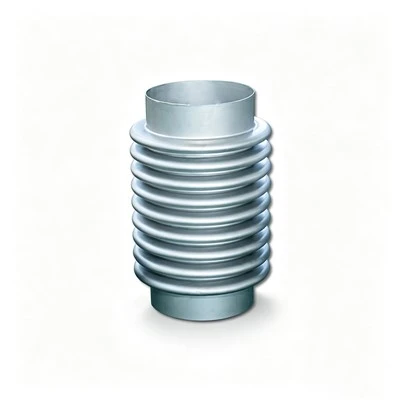
First up, and probably the first industry most people think of: the energy sector. Yeah, oil and gas, power plants—those places are basically expansion joint central. Let’s start with power plants, because that’s where I see a lot of my team’s work. Think about a coal-fired, natural gas, or even nuclear power plant: they’re pumping out steam that’s like 1,000 degrees Fahrenheit, right? And all that steam has to move through miles of pipework to get from the boiler to the turbines. If that pipe was just one long, rigid metal tube, it would expand so much when it heats up that it would buckle, crack, or blow a leak. Expansion joints absorb that thermal growth—we measure how much a pipe might expand (sometimes just a few inches, sometimes a foot or more) and custom-make joints that flex that exact amount. We also do work on power plant exhaust systems. After the flue gas goes through scrubbers to get rid of pollutants, it’s still hot and moving fast, and the ductwork has to connect different parts of the scrubber system. Without expansion joints there, the duct would move when it heats up, break the seals, and mess up the emissions controls—big no-no for compliance.
Then there’s oil and gas. These operations, whether it’s an offshore rig or a refinery on land, deal with even more extreme conditions. Offshore, pipelines carry oil and gas from the seabed up to the platform—salt water, constant temperature shifts, and the waves make the whole structure move. Expansion joints here aren’t just for thermal growth; they also handle lateral movement, like when a wave pushes the pipeline a little to the side. And refineries? They have thousands of miles of pipe that go from crude oil processing to storage tanks. Crude oil is heated to get it moving, so the pipes expand, and the storage tanks themselves expand when they’re full of warm product. We’ve made expansion joints for refineries that have to handle not just temperature, but also corrosive chemicals—crude oil has sulfur and other stuff that eats away at regular metal, so we use specialty materials like PTFE or lined stainless steel. No exaggeration, if a refinery skipped expansion joints for a month, they’d have leaks everywhere, downtime that costs millions, and probably some safety hazards.
Next, the infrastructure and construction industry—this is the one you interact with every single day, probably. Bridges, roads, buildings, airports. Let’s start with bridges. Those gaps you see between bridge segments? That’s an expansion joint. When summer hits, the concrete and steel bridge expands, and when winter comes, it contracts. If there wasn’t a joint there, the bridge would crack from that movement. We make a lot of the bridge joints that are rubber or metal, depending on the span—small bridges use simpler rubber ones, big suspension bridges use heavy-duty metal ones that can handle huge movement. Then there’s buildings, especially tall skyscrapers. Ever heard of a building’s “thermal drift”? It’s when a 100-story building can expand a few inches at the top on a hot day, just from the sun beating down. Expansion joints in the building’s structure and HVAC system absorb that movement—if the HVAC pipes in a skyscraper were rigid, they’d pull apart or burst when the top of the building moves a couple inches. Even airports: taxiways, runways, and the big ductwork in airport terminals that handle heating and cooling. Terminal buildings are huge, so their ductwork has to move as the building expands and contracts, and the taxiway joints are designed for planes driving over them—they’re heavy-duty, can handle tons of weight without breaking.
Another big one is industrial manufacturing. Not just energy stuff—factories that make everything from cars to food to pharmaceuticals. Let’s take car manufacturing plants, for example. They have huge paint booths that run at super high temperatures to cure paint—like 200 degrees. The ventilation ductwork for those booths has to move, because the duct expands when it heats up. We make expansion joints specifically for paint booths, too—they have to be non-flammable, because you don’t want a joint that can spark and ignite paint fumes. Then there’s food and beverage factories, which have super strict hygiene rules. All their pipes carry milk, soda, beer, stuff like that. The pipes have to expand, but the joints can’t be a place where bacteria grows. So we make sanitary expansion joints, with no crevices, easy to clean, usually made of food-grade stainless steel. Pharmaceutical factories are similar—they need joints that meet FDA standards, no contaminants, so the product stays pure. If a food factory didn’t have expansion joints, their pipes would crack during production, leading to spoiled product, waste, and even shutdowns.
Wait, I can’t forget the marine shipping industry. Yeah, boats, ships, cargo vessels. The engine rooms on big cargo ships have miles of exhaust pipes that run from the engine to the smokestack. Those pipes get super hot, and the ship moves constantly—rolling, pitching in the ocean waves. Expansion joints in the exhaust system handle both thermal growth and that constant movement. Also, ships have piping for ballast water, which they use to stay balanced. Ballast water moves between tanks, so the pipes connecting the tanks have to flex, too. Offshore supply vessels, the ones that go out to rigs to bring supplies, rely on expansion joints too—their engines are way more powerful, so the vibration and movement are way higher than a regular cruise ship. I’ve heard horror stories from old ship engineers who skipped expansion joints; their exhaust pipes would crack mid-voyage, leaving them stranded at sea waiting for a repair. That’s not fun for anyone.
What about HVAC and plumbing for commercial buildings? Wait, I mentioned buildings earlier, but this is a subset—think office towers, hospitals, schools, hotels. The HVAC system in a 50-story office building has to handle a huge amount of air, moving through ductwork that runs through every floor. Each time the HVAC turns on, the duct heats up and expands, and when it turns off, it cools down and contracts. Without expansion joints between the duct sections, the duct would pull away from the vents, leak air, and the system would be way less efficient. Hospitals are even more critical—their HVAC systems have to run 24/7, no downtime, because they need clean air for operating rooms and patient wings. Expansion joints here are a big part of keeping that HVAC system reliable. Plumbing for big commercial buildings? Same thing—hot water pipes expand, and if you don’t have expansion joints, you get leaks in the walls, which lead to mold, water damage, big repair bills. Schools and hotels have way more people using their plumbing, so those leaks would be a total nightmare for maintenance teams.
Oh, and mining! Wait, mining is another one people don’t usually think about. Underground mines have conveyor belts that move ore from the face to the surface, and pipes that move water, slurry (a mix of ore and water), and compressed air. Conveyor systems are long, they expand when they heat up from being underground or from the machinery running, and the slurry pipes handle heavy, abrasive material that would beat up rigid pipes. Expansion joints in mining have to be super durable—they’re exposed to dust, moisture, and rough conditions, so we make them with heavy rubber or steel that can take a beating. If a slurry pipe in a mine breaks, that’s a huge spill, downtime, and a mess to clean up, plus safety hazards for the miners.
Wait, let’s make sure I’m not missing any? Oh, power transmission—wait, no, that’s part of energy. What about aerospace? Wait, aerospace is more for aircraft, but maybe not as common as the others. No, the main ones are energy, infrastructure, industrial manufacturing, marine, commercial HVAC, mining. That covers like 90% of the work we do here.
Here’s the thing I want everyone to take away: expansion joints aren’t just a “nice to have” product. They’re a critical component that keeps industries running safely, efficiently, and without costly downtime. A lot of the time, people don’t realize how much their operations depend on ‘em until something goes wrong. We’ve had clients come to us after a pipe burst because they skipped expansion joints, and they’re like “why didn’t we just install these in the first place?”
Now, if you’re in any of these industries, and you’re dealing with thermal movement, pressure changes, vibration, or structural shifting, we can help. Whether you need custom joints for a power plant’s steam pipe, bridge joints for a new highway project, sanitary joints for a food factory’s soda lines, or heavy-duty ones for a mining conveyor system, we build ‘em to fit your exact specs, not a one-size-fits-all.
If you’re looking to upgrade your current system, or planning a new project and want to make sure you’re not missing this critical part, hit us up. We can walk you through what kind of joint you need, answer any questions, and make sure you get something that will last, no unexpected leaks or breakdowns.
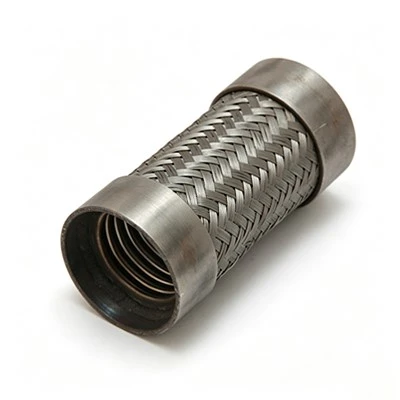
At the end of the day, expansion joints are all about preventing big problems before they start. And that’s what our team is here for—making sure your equipment, structures, and operations stay up and running, no matter how much things expand, contract, or move.
Elastic Components References
- American Petroleum Institute (API) Standard 601: Thermally Insulated Metallic Pipelines For Refinery Service
- Federal Highway Administration (FHWA) Bridge Expansion Joint Guidelines
- Food and Drug Administration (FDA) Sanitary Standards For Food Processing Equipment
- National Fire Protection Association (NFPA) 70: National Electrical Code (for non-flammable joint requirements)
- International Association of Plumbing and Mechanical Officials (IAPMO) Commercial HVAC Piping Standards
Yixing Blog Pipeline Equipment Co., Ltd.
As one of the most professional expansion joints manufacturers and suppliers in China, we’re featured by quality products and good service. With abundant experience, we warmly welcome you to wholesale bulk expansion joints in stock here and get quotation from our factory. Customized orders are welcome.
Address: Zhizao Park, No.50 Chunjiang Road, Industrial Cluster Zone, Heqiao Town, Yixing City, Wuxi City, Jiangsu Province
E-mail: 1351116816@qq.com
WebSite: https://www.blogbellows.com/
