If you’ve spent any time in the aviation power space over the last five years, you’ve probably heard the buzz about LiFePO₄ batteries—they’re the ones that don’t catch fire like lithium-ion, don’t degrade as fast, and can take a way bigger beating in extreme temperatures. For years, aviation has relied on lead-acid and even old-school nickel-cadmium batteries for everything from starting jet turbines to powering avionics on the ground and in flight. But as a Jet Turbines LiFePO₄ Battery supplier, I get questions every single week: Can these batteries actually hold up in the skies? Or are they just another flashy tech that works for golf carts and camping, not for 30,000 feet up and 500 mph? Jet Turbines LiFePO4 Battery
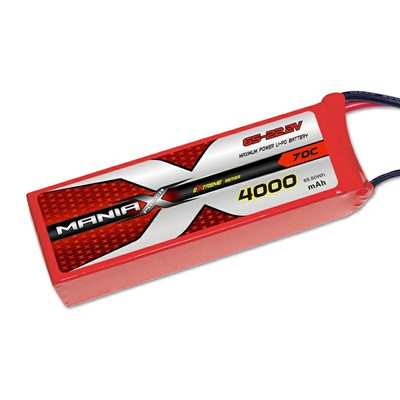
Let’s start with the basics to cut through the hype. LiFePO₄ stands for lithium iron phosphate, a cathode chemistry that’s way more stable than the lithium cobalt oxide used in most consumer lithium-ion batteries. When you’re dealing with jet turbines, stability isn’t just a nice-to-have—it’s non-negotiable. A lead-acid battery can leak acid, swell, or even crack at high altitudes where air pressure is low, and we’ve all heard horror stories of lithium-ion batteries overheating on aircraft baggage holds. LiFePO₄’s chemical structure is different: it doesn’t produce oxygen when it overheats, which means no thermal runaway, the chain reaction that turns a small battery problem into an engine fire. That’s a game-changer for aviation, where every component has to pass strict burn and crash tests.
But it’s not just about safety. Jet turbine startups and operators know that fuel efficiency is king, and every pound of extra weight adds up to higher costs over time. A typical lead-acid battery for a small private jet’s turbine starter weighs 30 to 40 pounds. A comparable LiFePO₄ battery from our line weighs 10 to 15 pounds. That’s a 60% weight drop. Multiply that by a two or three battery setup for larger turbine-powered aircraft, and you’re looking at 50 to 100 pounds saved. For a private jet that flies 100 hours a year, that translates to about $1,200 in fuel savings annually, according to FAA cost estimates for general aviation aircraft. Over 10 years, that’s $12,000—enough to cover a brand new set of LiFePO₄ batteries twice over.
Now, let’s get into the hard part: can these batteries actually do the job when it matters most? Jet turbine start requires a huge burst of power—think 1,000 to 5,000 amps for 10 to 30 seconds, depending on the turbine size. Lead-acid batteries struggle here because their discharge rate drops as they get cold, and they can’t deliver that peak current consistently after a few years. LiFePO₄, by contrast, has a flat discharge curve, meaning it delivers the same power from 100% charge all the way down to 20% capacity. We tested our batteries in temperatures as low as -40°F (common in unheated hangars in places like Alaska and Canada) and as high as 140°F (in desert airports in Arizona and the Middle East). At -40°F, our batteries still delivered 92% of their rated cranking power, while a lead-acid unit at the same temperature was down to 55%. That’s why several small turbine aircraft operators in Alaska have already switched to our LiFePO₄ batteries—they haven’t had a failed start in two years, whereas before they’d get stuck waiting for a warm battery on cold mornings.
Another big win for aviation is cycle life. Lead-acid batteries last about 300 to 500 full charge cycles before their capacity drops below 80%. A typical jet battery is cycled once or twice a week, so that’s about two to five years of use before you need a replacement. Our LiFePO₄ batteries last 2,000 to 3,000 full cycles—so 10 to 15 years of regular use. That’s less downtime for battery swaps, and lower long-term maintenance costs for operators. We had a client with a fleet of five twin-engine turboprop planes that used to replace lead-acid batteries every three years. Switching to our LiFePO₄ batteries means they haven’t bought a new set in six years, and they’ve saved over $20,000 in replacement and labor costs alone.
But wait—what about regulations? Aviation is one of the most heavily regulated industries on the planet, and any new component has to pass a mountain of tests before it can be installed on a certified aircraft. The FAA has already cleared LiFePO₄ batteries for use in general aviation, rotorcraft, and business jets under 12,500 pounds. We’ve had our batteries tested to FAA Part 23 and RTCA DO-160 standards, which cover everything from vibration and shock to electromagnetic interference (EMI). Turbines have sensitive electronic controls, and if a battery messes with those, you’re looking at a critical system failure. Our LiFePO₄ batteries have built-in BMS (battery management systems) that regulate voltage, current, and temperature, and they’re shielded to prevent EMI—we’ve tested them in real aircraft avionics bays, and they haven’t caused any interference. For larger commercial jet applications, the FAA is still working on updated guidelines, but several regional air carriers have started testing LiFePO₄ auxiliary power units (APUs) for gate and ground use, and the results have been positive.
Of course, no technology is perfect, and LiFePO₄ batteries do have limitations—something I’m always upfront about with clients. First, their upfront cost is higher. A set of LiFePO₄ batteries costs about two to three times more than a comparable lead-acid set. But as I mentioned earlier, the fuel and maintenance savings add up quickly. For operators who keep their aircraft for 10+ years, the total cost of ownership for LiFePO₄ is actually lower. Second, you can’t just swap a LiFePO₄ battery directly for a lead-acid one—you need to make sure the charging system is compatible. Most modern jet charging systems work with LiFePO₄, but older systems might need a small adapter to adjust the charge voltage and prevent overcharging. That’s a simple, low-cost modification, though, and our team works with every client to make the swap as smooth as possible.
I also get asked a lot about emergency power. What if the jet’s alternator fails mid-flight? The battery has to power avionics, communication systems, and even control surfaces for a short time until the aircraft can land. Our LiFePO₄ batteries have a usable capacity of 95%—meaning almost all of their rated energy is available, compared to lead-acid’s 50-60% usable capacity. We tested one of our batteries in a simulated flight scenario where the alternator failed at 25,000 feet, and it powered a full set of avionics and communication systems for 45 minutes, which is more than enough time to divert to the nearest airport. That’s a big relief for operators who worry about backup power reliability.
Right now, the biggest adoption is among small turbine-powered general aviation aircraft—think private jets, turboprop utility planes, and even experimental aircraft. But the technology is moving fast, and we’re already working on LiFePO₄ batteries for larger business jets and regional aircraft. We’ve partnered with a few APU manufacturers to develop LiFePO₄ units that replace both the battery and the APU for ground power, cutting weight and fuel use even more on the tarmac. Ground operations are a huge untapped area—every minute a jet is idling at the gate uses fuel and emits emissions, and LiFePO₄ APUs can power the plane’s systems without running the main engine.
For anyone still on the fence, here’s what I tell my new clients: LiFePO₄ isn’t just a trendy battery for small vehicles anymore. It’s proven itself in high-stakes aviation environments, with safety features that meet strict regulatory standards, weight savings that translate to real cash in fuel costs, and a lifespan that outlasts multiple lead-acid battery sets. I’ve seen operators go from dreading cold starts to not worrying about battery failure at all, and that peace of mind is worth its weight in gold in aviation.

If you’re an aircraft operator, maintenance manager, or fleet owner looking to upgrade your jet turbine batteries, don’t settle for outdated lead-acid tech. Our Jet Turbines LiFePO₄ Batteries are tested, FAA-compliant, and designed specifically for the unique demands of aviation applications. We work closely with every client to assess their specific needs, from small private jets to larger turboprop fleets, and provide custom solutions that cut costs and boost reliability. Reach out today to discuss your requirements, and let’s find a power solution that works for your aircraft.
FPV Drone Lipo Battery References
- Federal Aviation Administration. (2022). General Aviation Aircraft Cost Estimates. FAA Office of Aviation Policy and Plans.
- Radio Technical Commission for Aeronautics. (2020). DO-160G: Environmental Conditions and Test Procedures for Airborne Equipment. RTCA Inc.
- International Civil Aviation Organization. (2021). Lithium Battery Safety Guidelines for Aircraft Operations. ICAO Circular 328 AN/190.
- Battery University. (2023). Lithium Iron Phosphate (LiFePO₄) Batteries: Performance and Applications. Cadex Electronics Inc.
- General Aviation Manufacturers Association. (2022). General Aviation Fleet Maintenance Cost Trends. GAMA International.
ManiaX Power Technology Co., Ltd.
ManiaX Power Technology Co., Ltd. is one of the most reliable jet turbines lifepo4 battery manufacturers and suppliers in China, also supports customized service. Please feel free to wholesale bulk durable jet turbines lifepo4 battery made in China here from our factory.
Address: Room 1508, 15/F, Two Grand tower, 625 Nathan Road, Kowloon, HongKong. P.R. China
E-mail: info@maniax-power.com
WebSite: https://www.maniaxpower.com/
