If you’re an industrial furnace operator or someone who’s been around this gear for a while, you know these units aren’t just big metal boxes that heat stuff up. They’re workhorses—smelting metals, curing composites, processing ceramics, all that heavy lifting—but they also pump out a ton of emissions, waste heat, and unnecessary energy use. As a supplier who’s spent 12 years building and retrofitting these things, I can tell you: making an industrial furnace more eco-friendly isn’t just a feel-good trend anymore. It’s a way to cut costs, meet stricter regulations, and keep your business from falling behind while everyone else plays catch-up. I’ve seen so many folks come to me saying, “My furnace runs fine, why fix it?” But after walking them through the numbers—how much they’re wasting each month on energy and fines—they’re usually onboard within an hour. Let’s break this down the way I talk to my customers, no stuffy jargon, just real stuff that works. Industrial Furnace
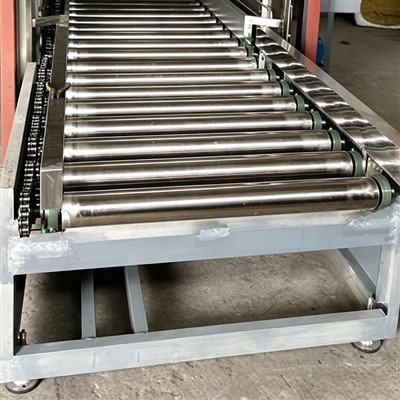
First off, let’s talk about the biggest energy hog in most furnaces: heat loss. I don’t care how well-insulated your unit is; if it’s sitting in a warehouse, that heat is leaking out through the walls, the roof, even the gaps around the doors. For a typical mid-sized heat-treat furnace, that’s 30% to 40% of the energy you’re burning just to keep heat from escaping, not to mention actually heating your workload. The fix here isn’t just slapping more fiberglass on the outside (though that helps). It’s retrofitting with modern refractory materials. Back in the day, we used heavy brick linings that lasted 5 years and didn’t hold heat well. Now, we’ve got lightweight ceramic fiber linings, sometimes even aerogel composites, that insulate way better, weigh less, and don’t break down as fast. I installed this on a customer’s aluminum melting furnace last year; their energy bill dropped 28% in the first three months. Also, don’t sleep on the doors. Most furnace doors are propped open way longer than they need to be, or have gaping seals that let heat escape. We add self-closing, airtight door systems with magnetic seals now, and some of our newer models have door interlocks that shut the burner off the second the door cracks open—no more wasting fuel while you load or unload parts. Small change, but those add up.
Next, fuel choice and combustion efficiency. A lot of old furnaces run on dirty fuels like heavy oil or raw natural gas, which pump out way more CO2, NOx, and soot than they need to. The first step here is getting your combustion tuned right. Most operators don’t realize their burners are running with too much excess air—like, way more than needed to burn the fuel completely. Excess air cools the inside of the furnace and just blows unburned fuel out the stack, wasting energy and increasing emissions. We do a free combustion analysis for all our customers who buy new furnaces or upgrade their old ones; last quarter, a steel forging customer found they were wasting 15% of their fuel because their air-to-fuel ratio was off. Fixing that cut their emissions by 22% right there. If you can, switch to a cleaner fuel. Natural gas is better than oil, but we’re seeing a lot of customers move to hydrogen blends now—20% hydrogen mixed with natural gas works in most existing burners, and it cuts carbon emissions by 15% overnight. Even better, some of our new furnaces can run on 100% hydrogen, though we always caution customers to test their workload first because it does change flame characteristics a bit. We also have electric furnaces now that run on renewable energy, which is a game-changer for facilities with access to solar or wind. The upfront cost is a bit higher, but if you lock in a long-term renewable power contract, your operating costs are way lower and your carbon footprint is almost zero.
Waste heat recovery is another big one I don’t see enough people doing. Industrial furnaces exhaust a ton of hot flue gases—some run at 500°C or more—straight out the stack, and that’s just wasted energy. Think about it: that heat could be used to preheat the air going into the furnace, preheat your raw materials, or even heat parts of your facility. We install waste heat recovery units (WHRUs) on almost every new furnace we sell, and we retrofitted 17 old units last year alone. One foundry we work with uses the waste heat from their cupola furnace to preheat the scrap metal before it goes into the furnace—they told us that cut their melting time by 12% and reduced their energy use by 20%. Another customer uses the excess heat to warm their shop in the winter, so they don’t have to run their building’s heating system at all. The best part? WHRUs pay for themselves in 2 to 3 years, usually faster if you’re dealing with high energy costs. I remember a customer who thought it was a waste of money, but after 18 months, they called me to brag that their WHRU had already paid for itself and was now pure profit. It’s like getting free heat from your furnace—who wouldn’t want that?
Now, let’s talk about process optimization. A lot of people run their furnaces the same way they have for 20 years, even if their workload changed. If you’re heating 100 parts today and 50 tomorrow, you shouldn’t be running the furnace at full blast every time. Variable frequency drives (VFDs) for your fans and burners let you adjust the heat output based on exactly what you’re processing. We add VFDs to every furnace upgrade we do now, and they’re so simple—you just program the load size into the controller, and it adjusts automatically. One aerospace customer was running their heat-treat furnace at 80% capacity most days, wasting a ton of energy. After adding VFDs, they cut their cycle time by 10% and their energy use by 18%. Also, batch scheduling is huge. If you can group parts with similar heating requirements into the same batch, you don’t have to reheat the furnace every time you switch jobs. I’ve seen customers run 5 small batches a day instead of 2 large ones, and their energy bills jumped because they were reheating the furnace each time. Grouping jobs saves heat and reduces startup emissions. Even small tricks, like preheating parts before they go into the furnace, help. If you’re loading hot parts from a previous process straight into the furnace, you don’t have to heat them from room temp—easy win.
Emissions control, obviously, is non-negotiable now. Regulations are getting stricter every year, and fines for excessive emissions can put a small operation out of business. The old way was just to put a scrubber on the stack and hope for the best, but modern emissions controls are way more efficient and can even recover some material to sell. For example, our selective catalytic reduction (SCR) systems cut NOx emissions by 90% and can be retrofitted to almost any furnace. We also have baghouse filters that capture particulate matter—like soot and metal dust—which some customers can even sell to recyclers now, so it’s not just a cost, it’s a side income. One aluminum recycling customer we work with used to dump their collected dust in a landfill; now they sell it to a metal reclaimer for $120 a ton, which covers the cost of their filter system. That’s a win-win. Also, real-time emissions monitoring systems (EMS) let you track emissions as they happen, so you can catch issues before they lead to fines. A lot of my customers were hit with $50k+ fines a few years back because their old systems didn’t alert them to a burner malfunction pumping out extra pollution. Our EMS is cheap to install and sends alerts right to your phone, so you can fix problems before they become headaches.
Wait, let’s not forget about maintenance. I’ve seen so many furnaces run into eco issues just because they’re not maintained. A leaky gasket, a clogged burner, a worn-out refractory—all of these add up to wasted energy and higher emissions. We recommend a quarterly tune-up for every furnace, and we offer maintenance packages for all our customers. Last year, a customer’s furnace was running 15% less efficient than it should have, and it turned out their burner head was caked with soot. A quick clean and adjustment fixed it, and they saved $7k a month on energy. It’s way cheaper to do regular maintenance than to wait for a breakdown or a big emissions fine. Also, when you do replace parts, go with high-efficiency components. Don’t just buy the cheapest burner head—buy one that’s designed for low emissions and high combustion efficiency. It might cost a bit upfront, but it will save you money over time.
I know a lot of folks reading this are probably thinking, “This sounds like a lot of work.” And yeah, some retrofits take a week or so, but the payoff is real. I’ve had customers tell me that after upgrading their furnace, they saved enough in energy costs to hire two more workers last year. Others told me they avoided a $100k emissions fine because their new system met the latest regulations. It’s not just about being green—it’s about making your business more profitable and stable. The worst thing you can do is put this off. Regulations are only going to get tighter, and energy costs are only going up. If you wait, you’ll end up paying more later, and you might have to shut down for longer during a retrofit when demand is high.
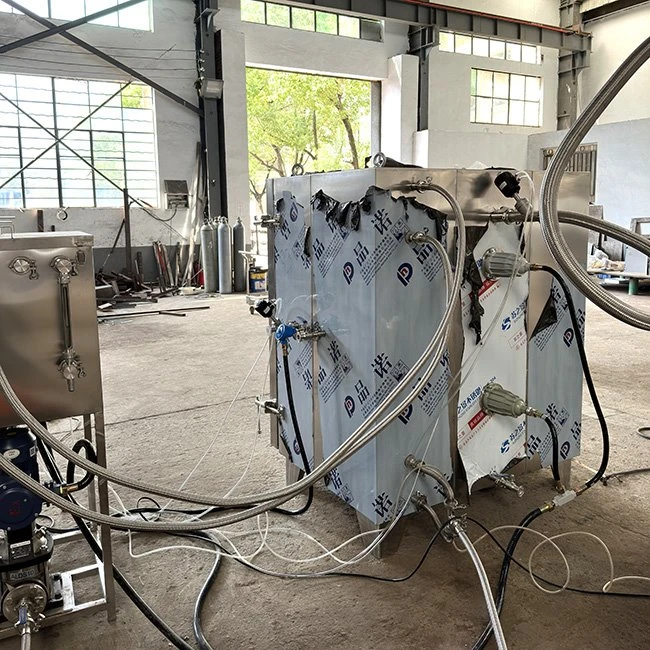
At the end of the day, every furnace is different. What works for a steel forging furnace won’t work for a ceramics kiln, and that’s why I don’t push one-size-fits-all solutions. If you’re looking to make your furnace more eco-friendly, whether you want to upgrade your existing unit or build a new one, just reach out. I can walk you through your options, run the numbers to show you what kind of savings you’ll see, and even give you a free on-site assessment of your current system. No pressure, no sales pitch—just real advice based on 12 years in this business. Don’t let your furnace hold your business back. Let’s make it work for you and the planet.
Industrial Furnace References
- U.S. Energy Information Administration, "Industrial Furnace Energy Use and Efficiency"
- World Resources Institute, "Industrial Decarbonization: Opportunities for Furnace Modernization"
- International Organization for Standardization, "ISO 14001: Environmental Management Systems for Industrial Furnaces"
- American Foundry Society, "Energy Efficiency and Emissions Reduction Guidelines for Metal Casting Furnaces"
- European Commission, "Best Available Techniques (BAT) Reference Document for Industrial Furnaces"
Nanjing Ranran Tiancheng Drying Equipment Co., Ltd.
As one of the most professional industrial furnace manufacturers and suppliers in China, our products have good reputation in the market. Please feel free to buy advanced industrial furnace for sale here from our factory. All customized products are with high quality and competitive price.
Address: No. 5 Xinhua Road, Shangba Village, Longtan Street, Qixia District, Nanjing City
E-mail: rrtc@rrtcoven.com
WebSite: https://www.rrtcoven.com/
