Hey everyone, if you’ve ever worked with metal parts—whether for a car body, a smartphone frame, or even a stainless steel kitchen appliance—you’ve probably stumbled across a thin, clear or colored film stuck to the surface at some point. I’m part of a metal protection film supply team, and let me tell you, that’s not just random plastic stuck on for looks. Its purpose is way more critical than most people realize, and today I’m breaking it down like we’re chatting over coffee, no boring jargon here. Let’s dive into why this stuff matters so much. Metal Protection Film

First off, let’s set the scene: metal is tough, right? But it’s not invincible. Even the hardest aluminum, stainless steel, or aluminum alloy can get banged up, scratched, or corroded if you’re not careful. Think about how a custom metal phone frame gets handled at the factory—they’re moving it, stacking it, cutting it, and shipping it across the country. No matter how gentle the workers are, tiny scratches from metal tools or even dust particles can ruin the finish before it even gets to the assembly line. That’s where the basic job of metal protection film starts: physical barrier protection. This thin layer (usually 10 to 200 microns thick, for those who care) acts like a temporary “skin” for the metal. It absorbs the friction from metal-on-metal contact, so instead of a scratch on the car hood, you’ve got a tiny mark on the film that you peel off later.
Wait, but it’s not just scratches from handling. Let’s talk about shipping. If you’re a manufacturer sending metal components overseas, they’re sitting in a container, bouncing on a truck, exposed to humidity and different temperatures. Without a protection film, your shiny stainless steel medical device parts might develop rust spots from condensation inside the container, or tarnish if they’re near other materials that release chemicals. I’ve seen this happen firsthand—once a client of ours got a batch of 5,000 aluminum brackets that were all pitted with rust because their old film didn’t block moisture. That’s a $20,000 loss just because they skipped this step. So the film also does chemical and corrosion protection. Good metal protection films have a chemical-resistant adhesive or a layer that blocks water vapor, salt, and industrial gases like sulfur dioxide, which are big culprits for metal damage in factories or coastal areas.
Now, let’s get into a part that a lot of folks don’t mention: it preserves the finish for downstream processes. Suppose you’re making a stainless steel sink, and after stamping the shape, you need to polish the surface to that mirror finish. If you don’t have a film on during the stamping, the metal surface picks up micro-shavings and oil from the stamping die. Those little bits are almost impossible to buff out later without ruining the polish. Or if you’re coating metal with powder paint or a thin layer of chrome, the surface needs to be completely smooth and free of contaminants. The film keeps dirt, fingerprints (oil from hands is a nightmare for metal finishes), and even dust from getting on the metal before those critical steps. We had a client in the aerospace industry tell us that switching to our protection film cut their rework rate for aluminum wing panels by 40% because they no longer had to sand off surface gunk before painting. That’s a huge win for their production time and costs.
But hold up—this isn’t one-size-fits-all. A lot of people think “protection film is protection film,” but that’s totally wrong. The purpose also depends on the specific use case. For example, if you’re working with a high-gloss metal finish for consumer electronics, you need a film that doesn’t leave a sticky residue when you peel it off. Imagine buying a new phone and having to scrape off goo from the frame—that’s a brand killer. So our team spends a lot of time making films with low-tack adhesives for those delicate finishes. On the flip side, for heavy-duty metal parts like construction beams or industrial machinery components, you need a film that’s thicker and more durable, so it doesn’t tear when the metal is being lifted with a forklift. We even make UV-resistant films for parts that are stored outside for months, so the film itself doesn’t break down and leave residue on the metal later.
Another point: it simplifies post-processing. Once your metal parts are done with all the cutting, welding, painting, or assembly, you just peel the film off in one (or a few) clean sheets. No sanding, no cleaning, no extra steps to fix damage that happened during manufacturing or shipping. That’s not just a time saver—it reduces labor costs too. A small machine shop we supply told us that their workers used to spend 2 hours a day buffing out scratches on metal parts; now, it’s 10 minutes a day, just peeling the film. That’s time they can spend on actual production, not fixing mistakes from earlier steps.
Wait, but let’s address a common misconception: some people say, “Why not just use paint or a permanent coating?” Good question. Those are for long-term protection, obviously, but metal protection film is temporary. It’s there for the journey, not forever. Permanent coatings add cost during manufacturing, and if you make a mistake, you can’t undo it easily. The film is cheap, removable, and tailored to the specific phase of production. It’s like using a disposable cover on a couch while you’re painting a room—you don’t want to reupholster the whole couch just to protect it, right? Same idea here.
Now, I want to be real with you—we’ve seen clients try to cut corners by using cheap, generic plastic wrap instead of actual metal protection film, and it always backfires. That cheap wrap doesn’t have the right adhesive, so it comes loose during shipping, or leaves residue that’s impossible to remove, or doesn’t block moisture. Last quarter, a small manufacturer came to us because their cheap film ruined a batch of custom metal decorative panels—they had to scrap 3,000 units. That mistake cost them more than the cost of switching to a proper protection film for a year. So the purpose here isn’t just “keep metal safe”—it’s also about avoiding costly rework, scrap, and brand damage.
So, to wrap this up: the purpose of metal protection film isn’t just a single thing. It’s a physical shield against scratches and impacts, a chemical barrier against corrosion and contaminants, a helper to keep your metal surface ready for downstream processes, and a time- and cost-saving tool that simplifies your production workflow. It’s a small, low-cost step that prevents huge problems down the line.
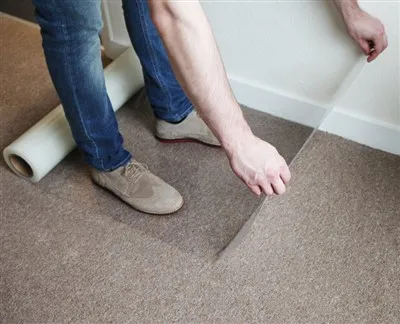
If you’re a manufacturer working with metal parts—whether that’s automotive, aerospace, consumer electronics, construction, or anything else—and you’re wondering if you’re using the right protection film, we’re here to help. We work with all kinds of clients, from small machine shops to big global brands, and we can tailor a film to your specific needs—no one-size-fits-all nonsense. Don’t let avoidable damage from scratches, rust, or residue eat into your profits. Reach out to us to chat through your metal protection needs, and we’ll help you find the right solution.
Multi-surface Protection Film References:
- Industrial Protective Coatings Association. (2022). Temporary Surface Protection for Metal Components: Best Practices and Performance Metrics.
- Journal of Manufacturing Processes. (2021). The Impact of Surface Protection Films on Metal Part Rework Rates in Automotive Assembly Lines.
- ASTM International. (2020). Standard Guide for Selecting Protective Films for Metal Surfaces During Fabrication and Shipping.
Haining Huanan New Material Technology Co., Ltd.
Haining Huanan New Material Technology Co., Ltd. is one of the leading metal protection film manufacturers and suppliers in China for over 20 years. We warmly welcome you to wholesale high quality metal protection film made in China here from our factory. For more cheap products, contact us now.
Address: NO. 5 BEIZHUANG EAST ROAD, HAINING ECONOMIC DEVELOPMENT ZONE, HAINING,JIAXING, ZHEJIANG,CHINA
E-mail: fiona@zj-hnhn.com
WebSite: https://www.hnhnfilms.com/
