If you’ve ever worked in industries like mining, wastewater treatment, food and beverage processing, or chemical manufacturing, you know industrial hose pumps are unsung heroes. They move tough, abrasive, viscous, or shear-sensitive fluids that would clog or destroy other types of pumps, and they do it reliably—when maintained right. As someone who’s been supplying industrial hose pumps for over 12 years, I’ve seen firsthand how even the most robust pump on the market can fail prematurely if you skip small, consistent steps to care for it. Over the years, I’ve worked with hundreds of plant managers, maintenance teams, and operations leads, and most of the issues they face aren’t from a bad pump or faulty engineering—they’re from avoidable mistakes in how they operate, inspect, and service their hose pumps. Today, I want to pull back the curtain on what actually works to extend an industrial hose pump’s service life, rooted in real-world experience, not just textbook theory. Let’s dive in. Industrial Hose Pump
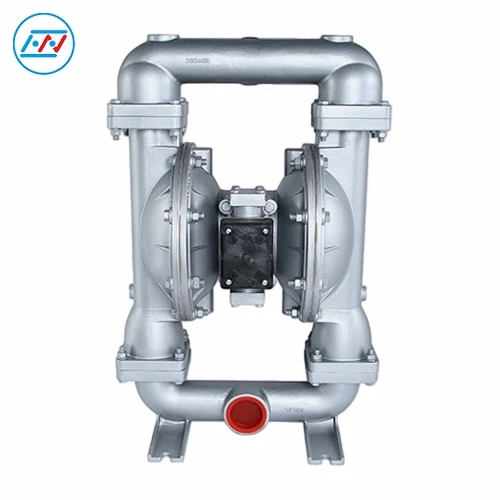
First, let’s get one thing straight: the hose is the heart of the hose pump, and it’s the component that limits overall service life. Unlike centrifugal pumps that wear out impellers or volutes evenly, hose pumps’ main point of failure is almost always the rubber hose inside the pump casing. I’ve seen hoses last 10,000 hours in a well-run food processing plant handling mild syrup, and I’ve seen hoses die after just 1,000 hours in a mining operation moving thick, silica-laden slurry—all because of choices made at installation, operation, and maintenance. So if your goal is to stretch your pump’s life, the hose should be your primary focus at every stage.
Let’s start with installation, because a bad install sets you up for failure before the pump even runs a single shift. I can’t tell you how many times we’ve replaced a pump for a customer only to find their maintenance team installed it wrong within a year. The most common mistake here is improper hose tension. Hose pumps work by compressing the hose between the rollers (or shoes, in some designs) and the casing to create suction and discharge. Too little tension, and the pump won’t generate enough pressure to move fluid, and the hose will slip, leading to uneven wear and premature fatigue. Too much tension, though, and you’re putting unnecessary stress on the hose’s reinforcement cords, cutting its lifespan by half or more. The correct tension depends on the pump model and the hose type, and it’s not something you guess at—most reputable pump suppliers provide a torque specification for the roller adjustment bolts, and some newer models even have built-in tension gauges. Another installation mistake I see often is not priming the pump correctly for the first run. A dry hose pump running without fluid for even a minute can cause the hose to overheat and blister, because there’s no fluid carrying away the friction heat from the compression cycle. For industries that run batch processes or empty lines between runs, we always recommend installing a small priming valve or a flush line to purge air from the hose before starting. I had a customer in the chemical sector last year who was running a pump to transfer corrosive acids and always forgot to bleed air lines; after three months of replacing hoses every 800 hours, we adjusted their installation to include an automated air vent, and their hose life jumped to over 2,700 hours. That’s not a magic fix—it’s getting the install right.
Next, operational practices are huge. How you run the pump day-to-day has a bigger impact on service life than almost anything else. First, match your pump to your application. It seems basic, but I’ve worked with a plant that bought a small, general-purpose hose pump to move heavy mining slurry because it was cheaper, and wondered why it wore out every two weeks. Hose pumps have different hose materials designed for different fluids: natural rubber for general abrasion, nitrile for oils and fuels, EPDM for acidic or high-temperature fluids, and silicone for food-grade applications. Using the wrong hose material for your application is a fast track to failure. For example, EPDM hoses will break down quickly when exposed to aromatic hydrocarbons, and natural rubber hoses can’t handle temperatures over 180°F. Always check the material compatibility chart from your pump supplier, and when in doubt, ask us—we’ve tested hundreds of hose-fluid combinations, so we can steer you right. Another operational habit to avoid is overloading the pump. Every hose pump has a maximum pressure rating, and running it above that puts excess stress on the hose’s reinforcement. I’ve seen operators crank the discharge valve closed to push more fluid through, thinking that will speed up the process, but that pressure spike can cause the hose to bulge between rollers, leading to cord damage and hose rupture. If you need more flow, adjust the pump speed instead—most modern hose pumps are variable-speed, which is also a win for energy efficiency. Lower speeds reduce the number of compression cycles the hose has to endure, which directly extends its life. A pump running at 60 RPM will last twice as long as the same pump running at 120 RPM, all else being equal. That’s a stat we’ve seen in thousands of field tests, and it’s one of the most actionable tips I can give.
Then there’s regular maintenance, which for hose pumps is less about taking the whole thing apart every month and more about small, consistent checks. I know maintenance teams are stretched thin, so let’s be realistic—you don’t need a full teardown every week. But there are three quick checks you should do every shift, and one more thorough inspection every three months. First, check the discharge pressure. If it’s spiking higher than your normal operating range, that could mean a clogged line, a worn hose that’s not holding pressure, or misadjusted rollers. Second, listen to the pump. A healthy hose pump has a steady, rhythmic thump; if you hear grinding, squealing, or uneven thuds, that’s a sign something’s off. It could be a loose roller, a misaligned casing, or a hose that’s starting to delaminate. Third, check for fluid leaks around the pump ends. Leaks often mean the hose is worn at the ports, or the end seals are bad—catching that early can prevent more damage. Every three months, take 30 minutes to do a deeper check: remove the hose cover (most models have a quick-release cover for this) and inspect the hose for signs of wear: bulges, cracks, fraying reinforcement cords, or uneven compression marks. If the compression marks (the flat spots where the rollers press the hose) are more than 1/8 inch deep, it’s time to replace the hose. Don’t wait for it to rupture—when a hose fails, it can spray fluid everywhere, cause downtime, and even damage the pump’s rollers or casing, leading to way more expensive repairs. One mistake I see here is waiting for the hose to completely fail before replacing it. I had a power plant customer a few years ago who waited until their hose ruptured mid-shift; the fluid sprayed into the pump’s roller assembly, corroded the metal, and they had to replace the entire pump, which cost 10 times more than a $500 hose change would have done six months prior. Also, don’t forget to lubricate the pump’s moving parts, like the roller bearings, as per the supplier’s recommendations. Too much grease can attract dust and debris that wears down parts, but too little leads to bearing failure that puts extra stress on the hose. A tiny detail, but it adds up.
Another often-overlooked factor is fluid handling. The hose isn’t just moving the fluid—it’s resisting abrasion and corrosion, so how your fluid is prepared before it gets to the pump matters. If you’re pumping abrasive fluids like mining slurry, construction mud, or sewage with heavy solids, installing a pre-filter or a desander line before the pump can catch large particles that would otherwise grind away at the hose’s inner lining. A customer in the aggregate industry we work with was pumping river rock slurry that had 2mm and larger rocks in it, and their hoses were wearing out after 1,500 hours. We added a 10mm mesh pre-filter, and their hose life jumped to over 3,000 hours—simple, cheap fix. For shear-sensitive fluids, like in food and beverage processing, avoid running the pump at full speed, and make sure the suction line is sized correctly to prevent cavitation. Cavitation happens when the pump pulls a vacuum so strong that bubbles form in the fluid, and when those bubbles collapse, they send tiny shock waves against the hose wall. Over time, that causes pitting and weakens the hose, leading to early failure. To prevent cavitation, keep your suction line as short and wide as possible, and avoid any sharp bends that restrict flow.
Also, let’s talk about storage and idle periods. If you have a spare hose pump, or if you’re not using a pump for an extended period (like plant shutdowns for holidays), how you store it matters. Leave the hose slightly compressed—10 to 15 percent of the normal operating tension—so it doesn’t stay stretched out or lose its shape. If you leave the hose fully decompressed for months, it will develop a permanent set, meaning it won’t compress evenly when you start the pump again, leading to poor performance and uneven wear. Also, store the pump in a cool, dry place away from direct sunlight and chemicals, which can degrade the rubber over time. I’ve seen customers leave a spare pump outside in the sun for six months, and when they tried to install it, the hose was already cracked and brittle—no amount of maintenance could save it.
Now, let’s get real about cost. I know replacing a hose every few thousand hours seems like an expense, but when you compare it to the cost of unplanned downtime, emergency repairs, or replacing the entire pump, it’s a no-brainer. Let’s do a quick example: a $600 hose lasts 3,000 hours, so that’s $0.20 per hour. If that same hose only lasts 1,000 hours because of poor practices, that’s $0.60 per hour, plus the cost of emergency downtime. I’ve seen a chemical plant lose $10,000 in revenue in just four hours when a pump failed unexpectedly and they had to shut down the entire line. Investing time in proper installation, operation, and maintenance pays for itself over and over.

At the end of the day, extending the service life of an industrial hose pump isn’t rocket science—it’s consistent, small choices that add up. It’s taking five minutes to check discharge pressure at the start of a shift, not guessing at hose tension during installation, matching your hose material to your fluid, and replacing hoses before they fail. For over a decade, we’ve supplied industrial hose pumps to all kinds of industries, and the customers that come back year after year aren’t the ones who buy the cheapest pump—they’re the ones who invest in proper care. If you’re looking to get more life out of your current pump, or if you’re in the market for a new hose pump that’s built to last, we’re here to help. We don’t just sell pumps—we work with our customers to tailor solutions to their specific applications, share real-world maintenance tips, and support them every step of the way. Whether you have questions about hose material compatibility, installation best practices, or need a custom pump solution for a tough application, feel free to reach out to discuss your needs.
Magnetic Pump References
- Hydraulic Institute. (2020). "Selection, Installation, and Maintenance of Positive Displacement Pumps." Pump System Improvement Manual, 4th Edition.
- Rubber Manufacturers Association. (2019). "Hose Life Expectancy and Performance Guidelines for Industrial Applications."
- American National Standards Institute (ANSI). (2021). "Standard for Rotary Positive Displacement Hose Pumps, ANSI/HI 14.6."
- The British Pump Manufacturers’ Association (BPMA). (2022). "Maintenance Best Practices for Industrial Peristaltic (Hose) Pumps."
Shaanxi Hono Electronic Technology Co., Ltd.
Address: 4C-1102, Financial Port, No. 1 West 1st Road, Fengjing Avenue, Fengdong New Town, Xi’an, Shaanxi, China
E-mail: juicy@honopump.com
WebSite: https://www.honopump.com/
