Let’s get real for a second—if you’ve ever crammed a year’s worth of winter coats, linens, and holiday decor into a back of a closet so stuffed it won’t close, you’ve probably reached for vacuum compression bags. As a supplier who’s fielded every question under the sun about these little space savers, I get why they’re such a go-to. But what a lot of folks don’t talk about are the limitations. Not to kill the vibe—trust me, I sell these things for a living—but being upfront about the quirks and caveats is how we build trust with the people who count on our products. Over the last 8 years I’ve been in this game, I’ve seen customers love these bags and get frustrated when they don’t work as expected. Let’s break down the real limitations, why they happen, and what you can do about them. Vacuum Compression Bag
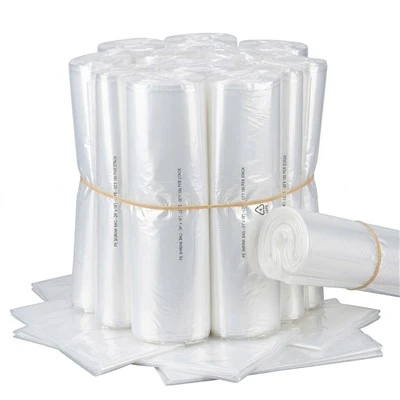
First, let’s start with the most common (and most frustrating) issue: fabric damage. You’d think sealing air out would be gentle, but that’s not always the case. Most vacuum compression bags are made from thick, flexible polyolefin or nylon composite plastic—sturdy enough to hold heavy clothes, but not indestructible. Here’s the catch: delicate, low-tensile fabrics like silk, linen blends with high flax content, lace, or even thin cashmere can get crushed beyond repair when compressed for months at a time. I once had a customer send an email crying because she’d put her wedding dress in a bag for 6 months, only to find permanent creases so deep they couldn’t be steamed out. The problem? Silk has a molecular structure that’s easily compromised when subjected to prolonged tight compression. The same goes for linen—it’s prone to creasing, and the more you squeeze it, the harder it is to get that natural crispness back. Even some synthetic blends, like those with rayon, can develop dull patches if left compressed too long because the plastic rubs against the fabric’s fibers. I always tell customers that these bags are great for bulky items like wool sweaters, puffer jackets, and comforters, but not for anything that’s irreplaceable or needs to retain its shape long-term.
Another big limitation is mold and mildew risk, and this one sneaks up on people. A lot of folks think that sucking all the air out creates a sterile environment, but that’s not true. Vacuum compression bags remove 90% to 95% of air, which cuts down on oxygen—something mold needs to grow—but they don’t kill existing bacteria or mold spores. What’s worse: if you store damp items, even slightly damp, in a sealed bag, the lack of air creates a humid, warm microclimate (especially if you’re storing them in a basement, attic, or garage where temperatures fluctuate). I’ve seen customers put towels that were only “air-dried for an hour” in a bag, only to pull them out 3 months later with fuzzy green spots. The spores were already there, and the low-oxygen, high-humidity environment was perfect for them to spread. The key here is that compression bags are not a replacement for properly drying items before storage. I always recommend laundering everything, making sure it’s 100% dry (even inside the seams), and maybe even adding a silica gel packet if you’re storing in a damp area. If you skip that step, you’re setting yourself up for trouble.
Then there’s the issue of seal failure, which is probably my least favorite because it usually comes down to user error more than product quality, but it still happens. Most vacuum compression bags use a zip-lock-style seal with a one-way valve for air to escape. The problem comes when you don’t close the seal all the way, or if you get lint, hair, or crumbs stuck in the seal. I once had a customer bring back 20 bags from a bulk order because they “all leaked air within a week”—turns out she was putting socks and underwear in the bags without shaking them out, so lint got in the seals. Another common mistake is overstuffing the bags. If you cram so much stuff in that the fabric stretches past the seal, or if you fold items incorrectly and they bunch up at the valve, the seal won’t close properly. Even the best bags (ours included) can’t fix that. Also, extreme temperatures can affect the seal. If you store bags in an attic that hits 120°F in the summer, the plastic can soften, and the adhesive on the seal can break down, leading to leaks. Same thing in freezing temperatures—polyolefin plastic can become brittle, so the seal might crack if you bend the bag too much.
Space savings, while the main benefit, has a hidden downside: access. If you store your items in a basement or back closet, and once they’re in a compression bag, you’ve basically created a big, flat brick that’s hard to maneuver. I had a customer last month who stored all her holiday decor in compression bags at the top of her closet, and when she tried to get to her Christmas lights in November, she had to move 8 other heavy bags first because they were all stacked. Unlike boxes, which you can label and stack individually, compression bags are uniform in size but rigid once vacuum-sealed, so it’s harder to pull out specific items without moving the whole stack. Also, if you use a hand pump (instead of a vacuum cleaner) to suck out air, it takes way longer, and you might not get all the air out, which defeats the purpose. I always tell customers to label every single bag with a permanent marker, and to stack them by season or use so they can find what they need without moving everything.
Another thing that’s rarely talked about: impact on fire safety, especially for certain fabrics. Wait, hear me out—most of the time, compression bags are safe, but if you store them near a heat source, like a space heater or a water heater, the plastic can melt. When plastic melts, it releases volatile organic compounds (VOCs) that aren’t great to breathe, and if the melted plastic touches fabric, it can create a fire hazard. I’ve even seen customers store bags in their garage next to their lawnmower, where gas fumes can seep into the bag and become flammable if there’s a spark. That’s a big one— I always warn people to store these bags in cool, dry, well-ventilated areas, not near any kind of heat or fuel source.
Now, let’s be clear—these limitations aren’t reasons to skip vacuum compression bags entirely. They’re just things you need to know to use them properly, and that’s what I try to communicate to every customer who reaches out. Over the years, I’ve worked with our manufacturing team to address these issues where we can. We’ve started reinforcing the seams on our bags to reduce seal failure, we added a mesh lining on the seal area to catch lint and crumbs before they get stuck, and we even made a line of “delicate fabric bags” that are thinner but have a reinforced plastic layer around the edges to prevent crushing. Those are made specifically for items like wool sweaters and thick linen, not for silk or lace, but they’re a step forward.
I think the biggest mistake people make is buying the cheapest bags they can find at the grocery store, which are made from thin plastic that tears easily. We’ve had customers come to us after trying those cheap bags, saying they broke within a month, and they end up spending more money replacing them. Our bags are a little more expensive, but they’re BPA-free, puncture-resistant, and come with a 1-year warranty, so if the seal fails for any reason (not user error), we replace them no questions asked. That’s part of being a responsible supplier—we don’t just sell you a product; we help you use it correctly.
Here’s what I want you to take away: vacuum compression bags are amazing for saving space, organizing storage, and keeping items clean, but they aren’t one-size-fits-all. They work best for bulky, non-delicate items that are completely dry, stored in a cool area, and not needed on a regular basis. If you have irreplaceable items like wedding dresses, vintage linens, or lace, you’re better off storing them in acid-free boxes or garment bags, not compression bags. If you’re storing items in a damp space, add extra moisture protection before sealing. And always take the time to close the seal properly, make sure nothing’s stuck in it, and don’t overstuff the bag.

At the end of the day, these limitations aren’t flaws—they’re just part of how the product works. As someone who’s been in this industry long enough to see trends come and go, I’d rather be honest about what these bags can and can’t do than sell you something that ends up disappointing you. If you’re thinking about buying compression bags for your home, or if you’re a business looking for bulk options, feel free to reach out to our team to talk through the best choices for your specific needs. We’ll answer all your questions, tell you exactly what works (and what doesn’t), and help you find a solution that fits.
POF Shrink Film References:
- Textile Care Alliance. (2022). Storage Best Practices for Delicate Fabrics. Retrieved from textilecarealliance.org
- Consumer Product Safety Commission. (2021). Storage Product Safety Guidelines for Household Items. Retrieved from cpsc.gov
- Journal of Textile and Apparel, Technology and Management. (2020). Effects of Prolonged Compression on Fabric Durability and Appearance. Retrieved from jtatm.org
- Indoor Air Quality Association. (2019). Volatile Organic Compounds from Plastic Storage Products. Retrieved from iaqa.org
Shanghai Ruiyue Plastic Products Co., Ltd.
With abundant experience, we are one of the most professional vacuum compression bag manufacturers and suppliers in China. We warmly welcome you to buy high quality vacuum compression bag in stock here from our factory. If you have any enquiry about customized service, please feel free to email us.
Address: No. 1000, Lixue Road, Malu Town, Jiading District, Shanghai
E-mail: shenyang.boss@ruiyueplastics.com
WebSite: https://www.ruiyueplastics.com/
