Hey there,
If you’ve ever stopped to grab a protein bar after hitting the gym or sipped a collagen shake as you’ve gotten a little older, you might’ve wondered: does what our bodies need for amino acids change as we age? As someone who’s spent years supplying amino acids to companies that make everything from sports nutrition to clinical supplements, I’ve seen this question come up again and again—from dietitians working with older adults to product developers tweaking formulas for aging populations. Let’s break this down, because it’s not just about “eating more protein” (though that’s part of it) — it’s about specific amino acids, why they matter for aging bodies, and what that means for you when you’re picking the right amino acid sources. Amino Acid
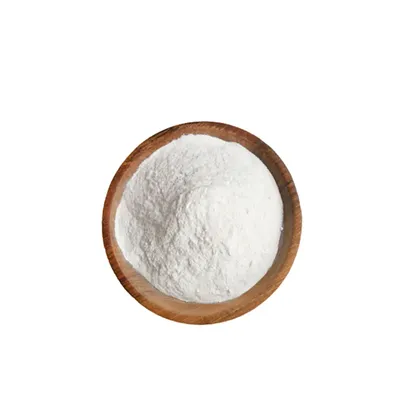
First, let’s get the basics straight: amino acids are the building blocks of protein, right? Your body uses them to make muscle, repair tissue, fight off infections, even regulate mood. There are 20 standard amino acids total — 9 are “essential” (your body can’t make them, so you have to get them from food or supplements), and the rest are non-essential (your body can produce them if it has the right building blocks). But as we hit our 50s, 60s, and beyond, that whole system shifts. Let’s start with the big one most people know: muscle mass.
Sarcopenia — that’s the gradual loss of muscle mass and strength as you age — affects like 1 in 3 adults over 60, and it jumps to 50% for those over 80. Why does this tie to amino acids? Well, when you eat protein, your body breaks it down into amino acids, then uses them to build new muscle. But older adults don’t respond to amino acids the same way younger people do. Researchers call this “anabolic resistance” — basically, your muscle cells are less sensitive to the signals that tell them to take up amino acids and build tissue. Studies show that younger adults need about 2.5 grams of essential amino acids (EAA) per meal to trigger muscle protein synthesis, but for adults 65+, that number jumps to 3 to 4 grams. If you’re only getting 1.5 grams from a breakfast of toast and eggs, your body can’t kick that muscle repair into high gear — and over time, that adds up to lost muscle.
Wait, it’s not just the quantity — it’s which amino acids matter most here. Leucine is the star for muscle health. This essential amino acid is the one that’s responsible for switching on that muscle-building process. For younger folks, 2 to 3 grams of leucine per meal is enough, but for older adults, you need 3 to 4 grams. A lot of common protein sources don’t hit that mark. For example, a cup of milk has about 1.2 grams of leucine, a chicken breast has around 1.8 — so if you’re a 70-year-old trying to hit 3.5 grams, you’d have to eat a lot more chicken than a 30-year-old would. That’s where targeted amino acid supplements come in, and that’s where our company steps in — we supply pure, consistent leucine and other EAAs that let you hit those thresholds without loading up on extra calories.
But it’s not just muscle. Aging messes with other bodily systems too, and amino acids play a role there. Let’s talk about immunity. Older adults are more prone to infections — think colds that stick around for weeks, or more serious stuff like pneumonia. Amino acids like glutamine and arginine are key for immune function. Glutamine is the main fuel for immune cells (lymphocytes and macrophages), and your body’s glutamine levels drop when you’re stressed — and being older means more chronic stress from things like inflammation, so you need more. Arginine helps make nitric oxide, which keeps your blood vessels healthy and helps immune cells do their job. Studies in older adults show that boosting arginine levels can reduce the risk of some infections, especially after surgery.
Another big one: cognitive health. As we age, things like mild cognitive impairment become more common, and there’s growing evidence that amino acids play a role here. Tryptophan is a precursor to serotonin, which regulates mood, but also helps with sleep — and poor sleep is a big issue for older adults. Then there’s tyrosine, which makes dopamine and norepinephrine, chemicals that help with focus and mental clarity. Some research even links lower levels of certain amino acids to a higher risk of age-related cognitive decline. The problem here is that many older adults don’t get enough of these EAAs from diet, because their appetite is lower, or they’re limiting food for things like blood pressure management, so they miss out.
Now, why do these needs change? Let’s get into the science a bit, but keep it real — no jargon overload. First, older adults have higher rates of chronic low-grade inflammation, sometimes called “inflammaging.” This inflammation breaks down muscle tissue and interferes with amino acid uptake, so your body needs more to overcome that. Second, digestion slows down as you age — your stomach produces less acid, which makes it harder to break down protein from food into individual amino acids. So even if you eat a big steak, your body might only absorb 60-70% of the amino acids, compared to 90% for a 25-year-old eating the same meal. That means you need more total protein and amino acids just to get the same amount into your system. Third, kidney function can decline with age. Wait, that’s a tricky one — for a long time, people thought older adults should eat less protein to protect their kidneys, but recent research shows that’s a myth for most healthy older adults. The only exception is people with pre-existing kidney disease, who need to work with a dietitian, but for the rest of us, the old advice doesn’t hold. In fact, too little protein can lead to muscle loss and other issues, which are way bigger risks for most seniors.
I’ve worked with a lot of product developers over the years, and one mistake I see a lot is just adding more generic protein powder to an aging-focused product. But it’s not just quantity — it’s the amino acid profile. A whey protein is great, and it has a lot of leucine, but a plant-based protein like pea might not have enough leucine, so you have to adjust. That’s why our amino acid lines are formulated to match the specific needs of older adults — we don’t just sell bulk amino acids; we supply blends that have the right ratio of leucine, glutamine, arginine, and other key EAAs that research shows matter most for aging bodies. It’s not one-size-fits-all, either. For someone 50, the needs are a little different than someone 80, and that’s why we work with customers to tailor their amino acid mixes to their target population.
Let me share a quick example: a few years back, we worked with a company that made a senior nutrition shake. They were using a standard protein blend, but when they tested it with a group of 65-75 year olds, only 40% of the participants had enough muscle protein synthesis after drinking it. We helped them adjust the EAA profile — adding more leucine and a touch more glutamine — and after reformulating, that number jumped to 85%. The company saw a big bump in sales because customers noticed a difference in how they felt — less fatigue, more energy, easier to stay active. That’s the kind of impact we’re talking about, and it’s why understanding aging’s effect on amino acid requirements is so important.
Now, let’s bust some common myths here. Myth #1: “Older adults don’t need as much protein.” As we just covered, that’s not true for most healthy people. The RDA (Recommended Dietary Allowance) for protein is 0.8 grams per kilogram of body weight, but for older adults, most experts now recommend 1.2 to 1.6 grams per kilogram, and some even up to 2.0 grams for those who are active or have muscle loss. Myth #2: “I can get all the amino acids I need from food.” If you’re healthy, eat a varied diet, and can eat enough, that’s great — but a lot of older adults struggle with appetite, dental issues that make eating hard, or cost of nutritious food. Supplements that use targeted amino acids can fill that gap without forcing someone to eat a huge meal that they don’t want or can’t digest. Myth #3: “All amino acid supplements are the same.” Nope — purity, consistency, and the ratio of EAAs matter a lot. Some cheaper supplements use lower-quality amino acids that are harder for the body to absorb, or don’t have the right amounts of key amino acids for aging. That’s why we test every batch of our amino acids to make sure they’re pure and match the label — no fillers, no weird additives, just the amino acids your body needs.
So what does this mean for you, whether you’re an older adult looking to support your health, a dietitian working with senior clients, or a brand developing products for aging populations? It means that amino acid requirements shift as you get older — you need more essential amino acids, specifically higher amounts of leucine, and targeted support for amino acids that help immunity and cognitive health. It’s not just about eating more; it’s about eating the right amino acids in the right amounts.
As an amino acid supplier, we’re not just here to sell product — we’re here to help our customers (and their end users) make informed choices. If you’re a brand looking to develop a senior-focused product, or someone who’s working on a personal nutrition routine and wants to make sure you’re getting the amino acids you need, we can help. We have custom blends, ready-to-use amino acid lines, and team members who can walk you through the science to figure out what’s right for your needs. Whether you’re a small business owner testing a new formula or a healthcare provider looking for reliable amino acid sources, we’re here to support you.
If you’re ready to talk through how amino acids fit into aging health, or want to learn more about our products for senior-focused nutrition, reach out to our team to set up a chat. We’re happy to answer questions, share research data, and help you find the right solution for your needs.
Alcohols References
- Volpi E, Campbell WW, Dwyer JT, et al. Exercising and aging: how to target muscle growth and functional decline. J Am Geriatr Soc. 2014;62(11):2029-2038.
- Cederholm T, Bosaeus I, Barazzoni R, et al. Protein intake in relation to healthy aging: a systematic review. Am J Clin Nutr. 2017;106(2):596S-604S.
- Calder PC. Amino acids and immunity in aging. Proc Nutr Soc. 2006;65(4):367-375.
- Baylis C. Aging and the kidney: what the clinician needs to know. J Am Soc Nephrol. 2013;24(1):22-27.
- Mandelbaum R, DiMarino A, Sands L. Protein and exercise in the prevention of sarcopenia and aging. Nutrients. 2017;9(12):1300.
- Molfino A, Giovannini S, Mussi C, et al. The role of leucine in muscle protein metabolism in aging. J Nutr Health Aging. 2012;16(1):72-78.
- Lerner A, Matthias T. Tryptophan and aging: a review of the literature. J Psychiatr Res. 2014;55:1-8.
- Van Ginderdeuren R, Van der Schueren B, De Waele L, et al. Arginine supplementation and immune function in older adults: a systematic review. J Nutr Gerontol Geriatr. 2015;34(3):257-274.
Sinoright International Trade Co., Ltd.
We’re well-known as one of the leading amino acid manufacturers and suppliers in China, featured by quality products and good price. With abundant experience, we warmly welcome you to buy bulk amino acid for sale here from our factory.
Address: NO.13-1 HESHUOYUAN, GANJINGZI DIST, DALIAN,CHINA
E-mail: harry.du@sinoright.net
WebSite: https://www.sinoright-chemicals.com/
