If you’ve ever walked into a data center, a corporate server room, or a high-rise office building’s upper floors, you’ve likely stood on raised flooring—those grids of modular panels that hover a few inches to several feet above the actual structural slab. As a raised flooring supplier, I get asked one question more than any other when talking to facility managers, architects, and IT directors: Are there any fire-resistant raised flooring options that don’t sacrifice performance, accessibility, or the flexibility that makes these systems so popular? Raised Flooring
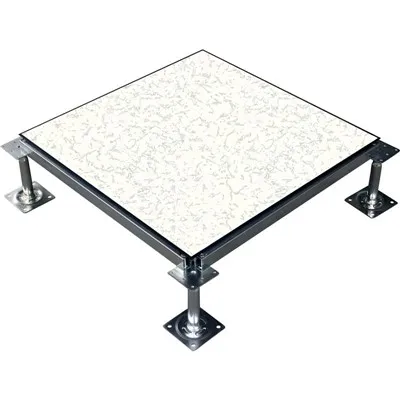
The short answer is yes, but not all fire-resistant raised flooring is created equal. Over the last 15 years, I’ve worked with clients ranging from small regional IT firms to Fortune 500 data centers, and I’ve seen firsthand how the right fire-rated system can mean the difference between a minor incident and a catastrophic loss. Let’s break down what makes a raised floor fire-resistant, the different options on the market, and what to actually look for when vetting these products—because not every label that says “fire-resistant” is built to meet the demands of your space.
First, it’s important to understand why fire resistance is non-negotiable for raised flooring in most commercial and industrial spaces. Raised floors aren’t just for cable management: they create plenum spaces below the panels, which are often used to circulate heating, cooling, and air for ventilation. That means any fire that starts in the plenum can spread quickly through the air ductwork, while smoke and toxic fumes can rise through the grid of panels into occupied spaces. For data centers, where thousands of high-voltage servers generate heat and have their own fire risks, a standard wood-core raised floor is essentially a tinderbox—one spark from a faulty cable can ignite the entire system.
So what makes a raised floor panel fire-resistant? The core material is the foundation here. Most standard raised floors use particleboard or medium-density fiberboard (MDF) as their core, which is porous and highly combustible. Fire-resistant panels swap that core out for materials that don’t burn easily, or treat the core with flame-retardant chemicals that slow or stop combustion. But not all treated cores are the same. Cheap flame retardants can off-gas toxic fumes when heated, which is a major problem for occupied spaces where employees work 40+ hours a week. That’s why I always emphasize looking for panels that use non-toxic, non-leaching flame-retardant treatments, not just the ones that pass a basic burn test.
One of the most common and reliable fire-resistant core materials we supply is calcium sulfate. Calcium sulfate is a naturally occurring mineral, often gypsum, that’s been calcined and treated to create a dense, non-combustible core. I installed my first large-scale calcium sulfate raised floor 10 years ago for a regional hospital’s new IT wing, and it’s still going strong—no discoloration, no degradation from moisture or repeated heavy traffic. Calcium sulfate core panels typically meet Class A fire ratings, which is the highest rating for interior building materials in the U.S. (per ASTM E84, the standard test for surface burning characteristics). Class A means the panel has a flame spread index of 25 or less, and a smoke developed index of 450 or less—translated, that means it burns very slowly, doesn’t produce excessive smoke, and won’t contribute to the spread of fire across the surface.
What I love most about calcium sulfate cores is their versatility. They’re water-resistant, so they work well in spaces where humidity is high—like server rooms that use water-based cooling systems, or basements with mild moisture seepage. They’re also strong enough to hold heavy loads, which is critical for data centers with server racks that can weigh 2,000 pounds or more. We’ve had clients use these panels for office spaces too, not just industrial ones, because they don’t warp or discolor from foot traffic, and their neutral, matte finish works with any interior design style. That’s a big selling point: facility managers don’t have to choose between fire safety and aesthetics for lobbies or common areas.
Another fire-resistant option we regularly offer is steel-core raised flooring. Steel panels use a steel casing—either hollow or solid—instead of a mineral core, with a steel framing that makes the entire panel metal. Steel is, of course, non-combustible, so these panels meet even stricter fire codes, often exceeding Class A ratings and meeting NFPA 70 standards for electrical and fire safety. Steel-core panels are incredibly durable, capable of supporting heavy static and dynamic loads, which makes them ideal for high-traffic areas like manufacturing floors, warehouse server hubs, or data centers with forklift access for moving server equipment.
That said, steel panels have a few tradeoffs to consider. They’re heavier than calcium sulfate or wood-core panels, so your structural slab has to be rated to support the extra weight. They can also conduct heat more, which might be a concern if your plenum space is used for air circulation—hot steel panels can transfer heat into the room above more than calcium sulfate panels. For that reason, we usually recommend steel-core panels for spaces where extreme fire resistance is the top priority, like facilities handling flammable materials, or data centers that require compliance with strict Tier 3 or Tier 4 standards from the Uptime Institute.
There’s also a third option that’s often overlooked: wood-core panels with advanced flame-retardant treatments. Wait, you might be thinking—wood is combustible, right? Not when it’s treated with the right chemicals. Modern fire-retardant treated (FRT) wood-core panels use a combination of ammonium phosphate, boric acid, and other non-toxic salts that penetrate the wood and create a chemical barrier that slows combustion. These panels also meet Class A fire ratings, and they’re lighter and more affordable than calcium sulfate or steel-core panels. They’re a great option for smaller office spaces, call centers, or low-traffic IT closets where budget is a primary concern, and the fire risk isn’t as high as a full data center.
But I always caution clients to do their research when it comes to FRT wood-core panels. Some cheap FRT panels only meet fire ratings when tested under perfect, controlled conditions, and will degrade over time as the flame retardant leaches out, especially if the space is humid or has frequent cleaning. We only supply FRT wood-core panels that have been third-party tested to maintain their fire rating for 15+ years of use, and that meet EPA standards for low volatile organic compounds (VOCs) so they don’t off-gas in occupied spaces. It’s a balance: FRT wood-core panels are affordable, but they’re not the right fit for every space, and cutting corners here can lead to safety risks down the line.
Beyond the core material, there are other factors that contribute to a fire-resistant raised floor system, not just the panels themselves. The pedestal and stringer systems that hold the panels up matter too. Most standard pedestals are made of plastic, which is combustible and can melt when exposed to heat, creating gaps that allow fire and smoke to spread through the plenum. Fire-resistant systems use metal pedestals—usually galvanized steel or aluminum—that are non-combustible, and fire-rated stringers that connect the panels to each other, preventing them from shifting or breaking during a fire. We also add self-closing vents to the plenum if the space requires it, which can stop the spread of fire through air ducts by closing automatically when smoke is detected.
Another key consideration is compliance with local building codes. Fire-resistant raised flooring isn’t a one-size-fits-all solution, and codes vary by state and country. For example, in California, the California Building Code (CBC) requires all commercial spaces over 10,000 square feet to use Class A fire-rated raised flooring for plenum spaces. In the European Union, the standard is EN 13501, which categorizes building materials by their fire performance. As a supplier, I make sure every product we provide comes with full documentation of its fire rating, so architects and facility managers can easily submit it for code approval without extra work.
Over the years, I’ve seen too many facility managers go for the cheapest fire-resistant panel they can find, only to run into problems later. A client in Chicago called me two years ago, saying their FRT wood-core panels had started to warp after three years, and the flame retardant was leaching into their carpet tiles, creating a mold risk. It turned out they’d gone with a supplier that cut corners on the treatment, using cheap salts that don’t bond to the wood. That’s why I always advise clients to ask for third-party test reports, not just manufacturer claims. Any reputable supplier will have these on hand and be happy to share them—if they hesitate, walk away.
So, to circle back to the original question: Are there fire-resistant raised flooring options? Absolutely, and there’s an option for every space, whether you need a budget-friendly FRT wood-core for a small office, a durable calcium sulfate core for a hospital or mid-sized data center, or a heavy-duty steel-core for a warehouse or Tier 4 data center. The key is to look beyond the label, consider your space’s specific needs—traffic, load capacity, humidity levels, local codes—and work with a supplier who can guide you through the process, not just sell you a product.

If you’re planning a new build, a renovation, or upgrading the safety of your existing raised floor system, let’s connect. I’ve worked with projects of all sizes, from 500 square foot IT closets to 50,000 square foot data centers, and I can help you find the right fire-resistant raised flooring option that meets your safety requirements, budget, and performance needs. Don’t wait to address fire safety in your space—small investments in the right flooring today can prevent catastrophic losses tomorrow.
Technical Floor References
ASTM E84, Standard Test Method for Surface Burning Characteristics of Building Materials.
NFPA 70, National Electrical Code.
EN 13501-1, Fire classification of construction products and building elements.
Uptime Institute Tier Standard: Topology.
California Building Code (CBC) Title 24.
Fineco Tech Co., Ltd.
As one of the most professional raised flooring manufacturers and suppliers in China, we’re featured by quality products and good service. Welcome to wholesale customized raised flooring made in China here from our factory. If you have any enquiry about cooperation, please feel free to email us.
Address: Wuyue Square, Wujin District, Changzhou, Jiangsu, China
E-mail: info@finecotech.com
WebSite: https://www.finecoglobal.com/
