If you’ve ever walked past a busy retail store, a museum exhibit, or a corporate event and stopped to glance at the vibrant, eye-catching LED poster screen hanging in the window, you’ve probably wondered how those crisp, dynamic visuals end up on display. As a supplier of LED poster screens, one of the most common questions I get from potential clients is simple: Can I customize the content on my LED poster screen? The short answer is yes—but the full story goes far beyond just plugging in an image. Customization here is a combination of hardware compatibility, software tools, and creative flexibility, all tailored to how you plan to use your screen. Let’s break this down, from what’s possible to what you need to make it happen, so you can make the right choice for your space. LED Poster Screen

First, let’s start with the basics: What exactly an LED poster screen is, because not all LED screens are the same. Unlike the huge, outdoor LED billboards that stretch across highway sides, LED poster screens are compact, slim, and designed for indoor use—usually sized like a traditional poster (think 24×36 inches up to 80+ inches) with a thin profile that fits right into existing poster frames or wall mounts. That compact size doesn’t limit customization; in many ways, it makes it easier, because these screens are built to connect directly to content sources without the complex systems of larger commercial displays.
So what kind of content can you customize? The list is almost endless, and it’s tailored to your goals. For retail stores, this might mean rotating sale alerts: a 10-second clip of a new shoe line fading in every 15 minutes, a flash sale price that updates daily, or a customer testimonial video that plays on loop. For restaurants, it could be changing the daily specials every morning, a live count of how many guests are being seated, or a short video of the kitchen making signature dishes. For corporate offices, it might be employee of the month spotlights, company event reminders, or real-time feed of team metrics. Even for art galleries, LED poster screens can display rotating digital art, artist statements, or interactive audio clips that play when someone stands in front of the screen.
But the key to customization here is how you get that content onto the screen. Most of our LED poster screens use two common connection methods, and both are designed to be user-friendly, not just for tech experts. The first is a built-in Wi-Fi module, which lets you update content directly from your phone, tablet, or laptop, no special software required. That means if you’re a small boutique owner who needs to change a sale price every Monday, you don’t have to hire a technician—you can log into a simple web-based dashboard, upload a new JPG, video clip, or even a social media post, and schedule it to go live at 9 a.m. sharp. No more printing new posters every week, no more waiting for a designer to adjust a file. The second method is a USB port on the screen itself, which is perfect if you don’t have reliable Wi-Fi, or if you want to pre-load a week’s worth of content. Just save your files to a USB drive, plug it in, and the screen will automatically update at the time intervals you set. That’s ideal for event spaces that might have spotty internet, or for anyone who prefers to plan content in batches instead of making daily changes.
Now, here’s where things get specific to what you can actually design, and how to make sure your customization looks good. A common mistake people make is taking a photo or file they use for a printed poster, and just expecting it to look the same on an LED screen. That’s not always the case. LED screens have a higher resolution than standard digital posters, but they also emit light, so colors can be brighter and more saturated. So when you customize content, you need to design with the screen in mind. For example, if you’re creating a sale graphic, avoid fine text smaller than 14 points—even though the screen might display it, it will be hard to read from 3 feet away, which is the typical distance someone would stand in front of a retail window screen. For video content, make sure it’s in a 16:9 or portrait aspect ratio, depending on your screen size, and that the frame rate is at least 30fps to avoid blurriness. We usually share a free template with every client that matches their screen’s exact dimensions, so they can design without having to guess, and it’s pre-set with color profiles optimized for our LED displays.
Another big part of customization is scheduling content, which is what makes these screens so much more flexible than static posters. Let’s say you own a café: you want your breakfast specials to play from 7 a.m. to 11 a.m., your lunch menu from 11 a.m. to 3 p.m., and your evening wine list from 5 p.m. to 9 p.m. With our screens, you can set that schedule once, and the content will switch automatically every day. You don’t have to remember to log in and change it at opening time—just set it and forget it. For special events, you can also add temporary content: if you’re hosting a tasting on Saturday, you can upload a graphic that says “Wine Tasting – 2pm Saturday” and schedule it to play only on that day, then switch back to your regular menu on Sunday. That level of control is a game-changer for businesses that have changing daily or weekly needs.
What about interactivity? That’s a question a lot of newer clients ask, and the answer is yes, you can customize interactive content too. Some of our LED poster screens come with an optional touch overlay, so you can create content that responds to a tap. For a clothing store, that might mean a screen where customers tap a product image to see its price, size options, or a link to your website to buy. For a museum, it could be a touchable timeline where visitors swipe through historical photos of an exhibit. Even without a touch overlay, you can integrate with other devices: for example, a restaurant can connect their POS system to the LED screen, so when a table is ready, the screen displays “Table 5 is ready” automatically, no one has to update it manually. That kind of customization isn’t just decorative—it’s functional, and it can save businesses time and money on labor.
Now, let’s talk about what you can’t customize, or what to consider before you get started. First, the physical size of your screen determines the maximum resolution of your content. If you have a 24-inch screen, you can’t display a 4K video file— it will be stretched and blurry. But we work with every client to match their content to their screen, so even if you’re not tech-savvy, we’ll help you adjust files to fit. Another thing: some older content formats won’t work on newer screens, but we support all the common ones: JPG, PNG, MP4, MOV, even animated GIFs, which are great for adding a subtle animation to a poster to catch attention. We also don’t restrict any content in terms of topic—you can display ads, art, videos, internal announcements, whatever is relevant to your space, as long as it meets basic content guidelines (no inappropriate material, for example).
As a supplier, one of the things I’m most proud of is that we make the customization process as easy as possible, even for clients who have zero design experience. We offer a free content design service for all our customers: if you can’t create the graphics or videos yourself, our in-house design team will work with you to turn your ideas into content that looks perfect on your LED screen. For example, a dentist client of ours wanted to display tips for oral hygiene on their screen, but they didn’t have a designer to make the graphics. We took their written notes, turned them into bright, easy-to-read graphics with photos of smiling teeth, and set the schedule to play every hour during business hours. That’s the kind of support that makes LED poster screens worth the investment, not just a piece of hardware.
I also want to address a common worry: is customizing content going to be hard to maintain? No, not at all. Our screens are designed to run 24/7 with minimal upkeep. You won’t have to update software constantly—we send automatic updates when needed, so you don’t have to do it manually. If you have a question about how to upload a new file or adjust the schedule, our customer support team is available via email or phone, and we have a step-by-step guide with photos that walks you through every action. For small businesses that don’t have a dedicated IT person, that reliability is key—you don’t want to invest in a screen that will cause more work than it’s worth.
Let’s take a real example to put this all together. A boutique hotel in downtown Chicago installed 10 of our LED poster screens in their lobby, each 55 inches, to replace the static posters they used for events and local attractions. Before, they had to print new posters every month for art shows, restaurant partnerships, and city tours, which cost them $200 a month in printing and design fees, and took a staff member 5 hours each month to install. Now, they customize content on each screen: one displays the current month’s art exhibit, another lists local coffee shops and their discount for hotel guests, a third shows upcoming hotel events like wine tastings. They update content every 2 weeks instead of every month, and they save over $1,500 a year in printing costs. The screens connect to the hotel’s Wi-Fi, so the front desk manager can update content from her phone during her lunch break, no special training needed. That’s exactly the kind of customization that makes LED poster screens a smart investment for any business.
So to circle back to the original question: Can I customize the content on my LED poster screen? The answer is a resounding yes, and the customization is flexible enough to fit almost any need, from simple graphic updates to complex interactive content. It’s not just about uploading a photo—it’s about scheduling content, adjusting it to look its best on your screen, and even integrating it with other business systems if you want. The key is working with a supplier that supports your customization goals, whether you’re a small business owner who needs to change content daily, a museum curator who wants to display rotating art, or a restaurant manager who needs to update menus hourly.
If you’re ready to explore what custom content can do for your space, we’re here to help. Whether you have questions about what size screen will work best, how to design your content, or how to set up scheduling, our team can walk you through every step. We offer custom quotes based on your space and content needs, so you get exactly what you want without paying for features you don’t need. Don’t settle for static posters anymore—customizing your LED poster screen is a simple way to make your space more engaging, save time and money, and connect with your customers or visitors.
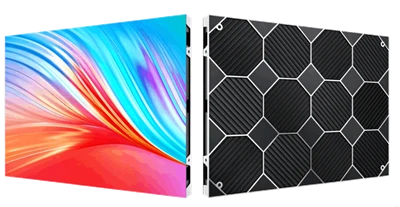
We invite you to reach out to our team to discuss your specific needs and learn more about how you can customize your LED poster screen to fit your goals. Our team is ready to provide all the details you need to make an informed decision and get started with your new display.
Creative LED Display References
- Digital Signage Federation. (2022). “Indoor LED Displays for Retail and Hospitality: Customization Capabilities.”
- Display Supply & Control Association. (2021). “Best Practices for Content Design on Small-Format LED Screens.”
- Lighting Research Center, Rensselaer Polytechnic Institute. (2020). “Color Calibration for LED Display Content Customization.”
- Small Business Administration. (2023). “Cost-Benefit Analysis of Digital Displays for Small Retail Businesses.”
Suzhou One World Technology Co., Ltd.
With abundant experience, we are one of the most professional led poster screen manufacturers and suppliers in China. Please feel free to buy cheap led poster screen for sale here from our factory. All customized products are with high quality and competitive price.
Address: Room 928, No.28 Wansheng Street, Suzhou Industrial Park, Suzhou, Jiangsu Province
E-mail: sales@oneworldtech.cn
WebSite: https://www.yishitongtech.com/
