Let’s cut to the chase—if you’re in industrial conveying, you already know humidity isn’t just a weather side note. It’s a silent troublemaker that can derail your operations, mess with your bottom line, and turn “standard” conveying solutions into major headaches. As a guy who’s spent 12 years on the ground helping factories get their conveying sorted—from food processing plants to chemical manufacturers—I’ve seen firsthand how humidity turns simple conveyor belts, parts, and workflows into problems. Let’s break this down real, no stuffy textbook jargon, just what actually happens and how we fix it. Industrial Conveying Solutions

First, let’s talk about why humidity is such a big deal for industrial conveyors, not just your bathroom mirror. We’re not talking about a little dampness from a rainy day—we’re talking about high relative humidity (RH) ranging from 65% to 95% in spaces like food drying rooms, textile mills, or even certain pharmaceutical labs. Most off-the-shelf conveyors aren’t built for that kind of consistent moisture. Here’s the first huge impact: material degradation of the conveyor itself. Take rubber belts, for example—standard rubber breaks down when exposed to prolonged high humidity, especially if there’s even a tiny bit of dust or chemicals in the air. Over time, the rubber gets soft, cracks, and starts to fray. Last year, we had a snack manufacturing client whose original conveyor belts started falling apart after 8 months in a high-humidity packaging line. The culprit? Mold growing in the rubber’s porous structure—mold thrives when RH is above 60%, and it eats away at the rubber’s integrity. We swapped them for our reinforced EPDM belts coated in a moisture-resistant elastomer, and so far, no mold, no cracks, they’ve run 18 months straight without a replacement. Metal components take a beating too—regular steel rollers, frames, and fasteners rust like crazy in humid environments. Even stainless steel can corrode if the humidity has salt or chemical residues mixed in. We had a chemical processing plant that thought 304 stainless was enough, but the chlorine in their humid processing area pitted the frames and rollers within a year. Switching to our 316L stainless (higher molybdenum content, way better corrosion resistance) stopped that rust in its tracks. Rust isn’t just ugly—it makes rollers seize up, slows down product flow, and can even cause the belt to slip or derail, leading to unplanned downtime.
Next up, product carryback and adhesion issues that turn a daily clean-up into a nightmare. When humidity is high, powders, granules, or even small parts stick to conveyor belts way more than they do in dry conditions. Think about it: if you spill flour on a dry counter, it brushes right off, but spill it on a damp counter, and it’s a mess that won’t come off without scrubbing. Industrial grade stuff is no different. For example, a coffee roaster client we worked with—their roasted coffee beans get oily as they cool, and in high-humidity storage areas, that oil mixes with moisture to form a sticky sludge that cakes on the belt. That sludge doesn’t just carry over to the next batch of beans (risking cross-contamination, which is a huge no-no for food safety) — it also builds up on rollers, making them uneven, which causes belt misalignment. We fixed this by installing our self-cleaning scraper systems and switching them to a TPU belt surface that’s non-stick when wet, so the coffee sludge doesn’t adhere as easily. Now their carryback is down 90%, their clean-up time went from 2 hours a day to 20 minutes, and they haven’t had a cross-contamination scare in a year. This isn’t just a food thing—pharmaceutical powder conveyors have the same issue, where sticky powder can block the conveyor’s discharge point, leading to overflows and lost product, which cuts into profits.
Wait, let’s not forget about electrical components—conveyors have motors, sensors, control panels, right? High humidity is a death sentence for unprotected electronics. Moisture can seep into motor windings, cause short circuits, and fry sensors. We had a 3PL client that handles electronics parts in a warehouse with high humidity because of a nearby loading dock that leaks during rain. Their original motor controls kept shorting out every 3 months, costing them thousands in repairs and downtime. We added sealed NEMA 4X rated enclosures for their motor drives and moisture-resistant sensors, and that fixed the electrical issues for good. Also, humidity affects lubricants—regular oil or grease gets thicker when it’s cold, thinner when it’s warm, but in high humidity, it can absorb moisture, turning into a gritty sludge that doesn’t lubricate rollers or bearings properly. That leads to more friction, more wear on parts, and more energy use—seized rollers mean the motor has to work harder, so your electricity bill goes up 10-15% in some cases, we’ve seen that.
But here’s the thing—humidity doesn’t just cause problems; different types of conveyors are affected differently. Let’s be real, not all conveying solutions are the same. For example, pneumatic conveyors (the ones that move stuff through pipes with air) — high humidity can make fine powders clump together, which blocks the pipes mid-transfer. We had a plastics manufacturer that moved PVC powder pneumatically—high humidity made the powder clump, and they’d get a blockage every other day, shutting down their entire production line for hours. We added a small dehumidifier unit to the pneumatic feed system, and adjusted the air pressure to match the moisture level, and now clumping is almost non-existent. On the flip side, for belt conveyors used in outdoor applications (like construction material hauling), humidity plus temperature swings can cause the belt to stretch or shrink. We had a asphalt plant client whose belts would stretch in hot, humid summer weather, leading to frequent adjustments and even belt replacement twice a year. We switched them to our tension-stabilized belts with woven polyester core that doesn’t stretch or shrink with humidity changes, and now they only replace belts every 5 years, not twice a year.
Now, you might be thinking, “Great, all these problems, but what do I actually do about it? Do I just buy a ‘high-humidity’ conveyor and call it a day?” No, not exactly—one size doesn’t fit all. Here’s what we actually do for clients, step by step, because we don’t sell you a conveyor and dip. First, we do a site audit. We go to your facility, measure exact RH levels, what products you’re conveying, what components of your current system are failing, even your production schedule (because if you run 24/7, maintenance needs to be adjusted differently). For example, a bakery with 85% RH in their proofing and packaging lines needs a different solution than a textile mill with 70% RH in their dyeing area. Then, we customize the solution. Sometimes it’s a simple belt swap—like going from standard rubber to moisture-resistant EPDM or TPU. Other times, it’s adding accessories: self-cleaning scrapers, sealed enclosures for electronics, dehumidifier modules for pneumatic systems, or even corrosion-resistant metal parts. And we’re not just installers—we provide ongoing support too. We check in quarterly to adjust things, clean components, make sure it’s still performing as expected. Last year, a client in the seafood processing industry (super high humidity, salt air too) had their stainless steel rollers start showing minor pitting after a year, so we came out, polished the surfaces, and applied a protective coating that stopped it from getting worse, no extra cost because it’s part of our service agreement.
Wait, let’s talk about the hidden costs of ignoring humidity, because a lot of clients miss this. It’s not just the cost of replacing belts or motors—downtime is the big one. For a manufacturing plant, every hour of unplanned downtime can cost $10,000 to $50,000, depending on the industry. We had a automotive parts supplier whose conveyor seized up during a high-humidity stretch, and they lost $70,000 in parts and production downtime that day. That’s way more than the cost of upgrading their conveyor to handle humidity upfront. Also, compliance—food and pharmaceutical industries have strict rules about cross-contamination and equipment hygiene. If your conveyor is growing mold because of high humidity, that’s a failed health inspection, which can shut down your operations entirely. We had a small craft brewery that got a warning letter from the FDA because mold was growing on their conveyor, and fixing it with our moisture-resistant belts and daily cleaning protocol got them back in compliance within a month.
So, what’s the takeaway here? Humidity isn’t something you can just “power through” with a standard industrial conveyor. It’s a variable that has to be accounted for from the start, not an afterthought. Whether you’re dealing with a high-humidity food line, a chemical processing plant, an outdoor construction site, or anything in between, the right conveying solution for your needs will account for moisture levels, product type, and operational demands.
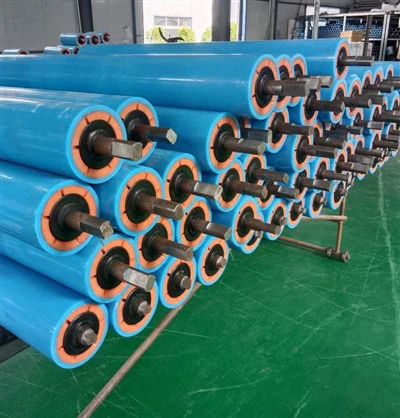
At the end of the day, we’re not just selling conveyor parts or systems—we’re solving problems. If you’re dealing with frequent belt replacements, unplanned downtime, product contamination, or sky-high utility bills because humidity is messing with your conveyors, don’t keep putting up with it. Shoot us a message to chat through your specific situation, we’ll come out to your facility, do a no-pressure audit, and figure out a solution that works for your budget and your operations. No sales pitch, just real talk about what’s going wrong and how we fix it. When humidity’s knocking your conveying system off track, you don’t have to figure it out alone.
UHMWPE Sheet References:
- Industrial Conveying Association. (2022). Environmental Factors in Conveyor System Design: Humidity and Moisture Effects. ICA Technical Bulletin 17.
- National Fire Protection Association. (2021). Corrosion Risks in Industrial Electrical Equipment Under High Relative Humidity. NFPA 70B.
- Food and Drug Administration. (2020). Equipment Hygiene Standards for High-Moisture Food Processing Facilities. FDA Food Safety Guidelines for Manufacturing.
- Society of Plastics Engineers. (2023). Pneumatic Conveying of Fine Powders: Clumping Risks and Mitigation in Humid Environments. SPE Conveying Division Report.
- American Society of Mechanical Engineers. (2022). Design of Conveyor Belts for Variable Humidity and Temperature Applications. ASME B20.1 Safety Standard for Conveyors.
Henan Okay Plastic Industry Co., Ltd.
Henan Okay Plastic Industry Co., Ltd. is one of the most professional industrial conveying solutions manufacturers and suppliers in China, featured by quality products and competitive price. Please rest assured to wholesale industrial conveying solutions for sale here from our factory. Contact us for customized service.
Address: New Industrial Pioneering Park, Tengfei Avenue, Yigou Town, Tangyin County, Anyang City, Henan Province, China
E-mail: lucy@chinaupe.com
WebSite: https://www.okayplastics.com/
