If you’ve ever walked through a sprawling industrial facility—think a warehouse packed with bulk goods, a manufacturing plant with heavy machinery, or a processing center handling volatile materials—you might have wondered: what happens if a fire breaks out here? Unlike a residential or small commercial space, industrial settings come with unique fire challenges: high ceilings that trap heat and smoke, large volumes of stored flammable materials, complex machinery that can ignite unexpectedly, and tight floor plans that make both escape and firefighting hard. As a fire ventilator supplier, I get asked this question all the time: Can a fire ventilator actually be used in these settings? The short answer is yes, but it’s not as simple as grabbing any standard fan and heading to the scene. To understand why, it’s worth breaking down what fire ventilators do, the specific needs of industrial environments, and how we design solutions tailored to those spaces. Fire Ventilator
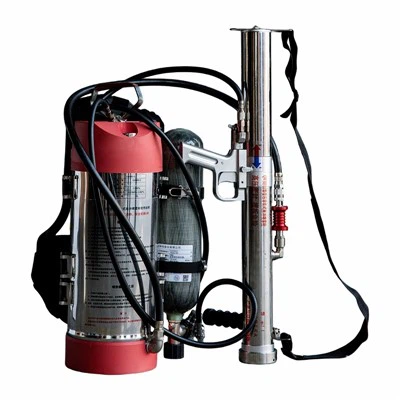
First, let’s clarify what a fire ventilator is, because there’s a lot of confusion between regular exhaust fans, smoke extractors, and the specialized units we supply. A fire ventilator is a portable or permanently installed device engineered to remove heat, smoke, and toxic gases from a fire scene while fresh air is directed to where firefighters and trapped personnel are working. Its core purpose isn’t just to clear air—it’s to create a safer environment for two critical groups: the people fighting the fire, and anyone who hasn’t been able to escape yet. In industrial settings, this function becomes non-negotiable. Here’s why: industrial fires burn much hotter and longer than typical residential fires. A warehouse full of wooden pallets or textiles can reach temperatures of 1,800°F or higher within 10 minutes of ignition. Those extreme temperatures create what firefighters call a “heat layer”—a thick, buoyant cloud of hot gas that sits near the ceiling. If left undisturbed, that layer can collapse downward, a phenomenon known as a “flashover,” which engulfs the entire space in flames and kills anyone inside. A properly sized fire ventilator pulls that hot gas layer away before it can reach dangerous levels, delaying flashover and giving firefighters time to access the area.
But industrial spaces have more variables than a single-story office, so one-size-fits-all units won’t work. Take a 50-foot-tall distribution warehouse, for example. Its ceiling height is double that of a typical retail store, so a standard fan with a 18-inch impeller won’t have enough power to reach the upper heat layer. We supply heavy-duty fire ventilators with 24 to 36-inch impellers, powered by gasoline or diesel engines that generate 15,000 to 30,000 CFM (cubic feet per minute) of airflow. These units can push air 100+ feet, reaching the upper tiers of high-ceilinged warehouses where most large fires start. For manufacturing plants with tight, cluttered work areas—say, an auto parts factory with rows of welders, storage racks, and machinery—we also make low-profile fire ventilators that can fit through narrow doorways or even window openings without getting caught on equipment. That’s a detail many suppliers overlook, but industrial sites are often packed with obstacles, so portability and maneuverability matter just as much as power.
Another key consideration is the type of industrial materials present. Not all fires in industrial spaces are the same. A food processing plant may have fires involving grain dust or sugar, which burn fast and produce fine, particulate-heavy smoke that can cause respiratory failure in minutes. A chemical plant, on the other hand, might deal with fires involving volatile solvents or petroleum products, which release toxic fumes like hydrogen sulfide or benzene. Our fire ventilators are designed with filters and impeller seals that can handle these different hazards. For dust fires, we add spark arrestors to the intake system to prevent the ventilator itself from igniting suspended dust particles. For chemical fires, we use corrosion-resistant housing materials that won’t break down when exposed to harsh fumes, a feature that regular fans lack. I’ve seen too many first responders try to use a standard shop fan in a grain dust fire and end up accidentally igniting the dust cloud— that’s why specialized industrial-grade fire ventilators are non-negotiable here.
Permanently installed fire ventilators also have a role in industrial settings, not just portable units for emergency use. Many people think of fire ventilators as only for when a fire is actively burning, but in industrial facilities where fires can smolder for hours—like a warehouse with a hidden hot spot in a stack of stored goods—permanent units can trigger automatically via fire detection systems. For example, a large Amazon fulfillment center (I can’t name specific clients, but you know the kind) has smoke detectors linked to 10-foot diameter roof-mounted fire ventilators that activate as soon as heat is detected. These units run 24/7 at low speeds to pull out excess moisture and fumes from stored materials, but switch to high speed during a fire to clear the space. This proactive approach prevents small fires from escalating into catastrophic events that would shut down operations for months.
That said, there are common myths about using fire ventilators in industrial settings that I wish more people would stop believing. One myth is that “venting a fire will make it bigger” by bringing in more oxygen. This is true for small, contained fires, but in large industrial spaces, the opposite is often the case. When you have a hot, oxygen-depleted fire trapped in a warehouse, adding a controlled flow of fresh air (via a fire ventilator placed in a separate opening from where heat and smoke are pulled out) actually reduces the fire’s intensity, rather than increasing it. I’ve trained dozens of firefighting teams on this: placing the intake on the windward side of a warehouse and the exhaust on the leeward side, so air moves through the space without feeding the flames at their core. The mistake is placing the ventilator too close to the fire, which can happen if you don’t map the space first. That’s why proper site assessment is a critical step when we work with industrial facilities.
Another myth is that any fire ventilator will work, regardless of size. Last year, I got a call from a logistics manager at a mid-sized manufacturing plant who had bought a cheap fire ventilator online after a local fire department said their space was “at risk.” When a small electrical fire broke out in their storage area, the fan they had couldn’t pull smoke out of the 30-foot ceiling, so the fire spread to nearby pallets. The department had to call in additional resources, and the plant lost $20,000 in stored goods. That’s a avoidable loss, and it’s why we prioritize sizing units based on a space’s volume, ceiling height, and stored materials. For a 10,000 cubic foot industrial space, we calculate the required CFM as 6 to 8 times the space volume, which is the industry standard for fire ventilation. Cheaper units often use lower CFM ratings, so they don’t perform as needed during an emergency.
We also test all our industrial fire ventilators in real-world conditions, not just lab settings. Last year, we collaborated with a group of industrial safety consultants to test a 30-inch fire ventilator in a simulated warehouse fire. We used 50 wooden pallets as fuel, and measured heat levels and smoke density at three different points: near the fire, near the ceiling, and near a simulated trapped worker. Without the ventilator, heat at the ceiling reached 1,900°F in 8 minutes, and smoke density at the worker’s position was 90%—too thick to see or breathe. With the ventilator running, ceiling heat dropped to 650°F in 12 minutes, and smoke density at the worker’s position was 20%, enough for them to escape and firefighters to reach the fire. That’s the kind of performance we aim for, and that’s why industrial facilities trust our units over generic options.
Maintenance is another piece that often gets overlooked, even when facilities do invest in the right fire ventilator. Industrial environments are dusty, dirty, and full of debris, so a unit that sits unused for months can develop clogs, broken belts, or damaged seals. We work with industrial clients to create routine maintenance schedules, including monthly checks of the impeller and intake system, annual load tests, and cleaning of filters and spark arrestors. Last quarter, a food processing plant called us because their permanent fire ventilator had stopped working—we found that grain dust had built up in the impeller, causing it to seize. A $200 cleaning would have fixed it, but the plant had skipped maintenance for two years, and they ended up needing a $1,500 impeller replacement. It’s a small investment that prevents big problems, and we make sure our clients know that.
So, putting it all together: can a fire ventilator be used in industrial settings? The answer is a resounding yes, but only if you use a unit designed for industrial conditions, sized correctly for your space, and paired with proper planning and maintenance. I’ve been in this industry for 12 years, and I’ve seen firsthand how a good fire ventilator can mean the difference between a small fire that is contained and a disaster that destroys a facility and puts lives at risk. For industrial sites, which face unique fire challenges, a generic residential fan won’t cut it. You need a heavy-duty, specialized unit that can handle high ceilings, dust, chemicals, and obstacles.

If you’re an industrial facility manager, a firefighter, or a safety officer responsible for fire protection at your site, don’t leave your space to chance. Contact us to discuss your specific needs. We offer free on-site assessments to measure your space, identify fire hazards, and recommend the right fire ventilator solution for your industrial setting. Whether you need portable units for emergency response, permanent installation for proactive fire protection, or maintenance support to keep your system running, we can help. Don’t wait until a fire happens to realize your ventilation system isn’t up to the task.
Fire Service Bamboo Ladder References
- National Fire Protection Association (NFPA). Standard for Fire Service Ventilation. NFPA 1405, 2021.
- Occupational Safety and Health Administration (OSHA). Fire Protection Guidelines for Industrial Facilities. OSHA 3160, 2020.
- Fire Protection Research Foundation. Ventilation Strategies for Large-Volume Industrial Fires. FPRF Report 18-004, 2018.
- International Code Council (ICC). International Fire Code, Chapter 17: Fire Protection Systems. 2021 Edition.
- U.S. Department of Energy. Industrial Fire Safety: Ventilation for High-Ceiling Spaces. DOE/GO-102019-5123, 2019.
Taizhou Mingxin Fire Protection Technology Co., Ltd.
As one of the most professional fire ventilator manufacturers in China, we warmly welcome you to buy bulk high quality fire ventilator made in China here from our factory. Good service and low price are available.
Address: Group 3, Xinzhouqiao Community, Jingtai Road Subdistrict, Hailing District, Taizhou City (within Taizhou Station North Logistics Management Co., Ltd.)
E-mail: mingxinxf@163.com
WebSite: https://www.mxfiretech.com/
