Let me tell you something about breaking in a new wine glass. I’ve spent the last eight years running a small but busy wine glass supply company, and I’ve heard every question under the sun about why a new glass feels stiff, why your first pour makes that weird clink that sends a tingle up your spine, and what you can do to turn that brand-new, straight-out-of-the-box glass into one that feels like it’s been in your collection for decades. When we first started out, we shipped glasses that felt perfect right away, but over time, we noticed something: a lot of our repeat customers kept coming back, not just for replacements, but for tips on how to make their new sets fit into their daily routines without that awkward, “I just unpacked these” vibe. That’s why today, I want to walk you through the actual science behind breaking in a wine glass, the steps that work (and the ones that don’t), and why a lot of the “common wisdom” online is more myth than method. Wine Glass
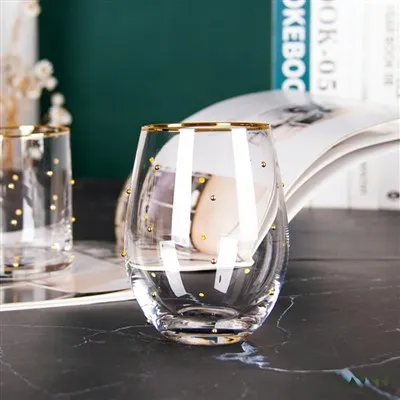
First, let’s get one thing straight: wine glasses aren’t like baseball gloves or running shoes, where the material stretches and softens with use. Most quality wine glasses these days are made of lead-free crystal or borosilicate glass—materials that are hard, dense, and intentionally engineered to hold their shape for decades. When a glass is brand new, it’s got a tiny bit of what’s called “manufacturing residue” on its surface: a thin layer of dust from the production line, a faint film of the lubricant used during the shaping and polishing process, and sometimes even small, micro-scale imperfections from the mold that it came out of. That’s what causes that stiff, cold feeling when you hold it, and that high-pitched, tinny clink when you tap it against another glass or a wine bottle. It’s not that the glass itself is “tight”—it’s that those tiny surface details are messing with how light interacts with the glass, how your fingers grip it, and how sound travels through it.
So how do you get rid of that residue, smooth out those micro-imperfections, and turn a new glass into a comfortable, reliable tool for sipping wine? Let’s start with the simplest, most methodical approach that we’ve tested hundreds of times in our warehouse and in home kitchens across the country.
Step one: Give it a gentle hand wash before you even touch it to wine. I can’t tell you how many customers tell me they tossed their new glass straight into the dishwasher and wondered why it still felt off. Dishwashers use high heat, harsh detergents, and strong jets of water that can actually etch tiny, shallow lines into the surface of the glass over time—this is a big one, especially for thinner, more delicate stemware that’s designed for fine wine. Hand washing, on the other hand, lets you control exactly what’s touching the glass. We recommend using a mild, unscented dish soap (scented soaps leave their own residual film, which can muffle the taste of your wine, too), a soft microfiber cloth, and lukewarm (not hot) water. Never use a rough sponge or steel wool—those will scratch the surface and do exactly the opposite of what you’re trying to do. When you’re washing, gently run the cloth over the entire interior and exterior of the bowl, the rim, and the stem. Pay extra attention to the inside of the rim, where residue loves to hide. Then rinse it thoroughly under running water—run your finger all around the rim to make sure there’s no soapy film left. Dry it with the same microfiber cloth, using a light, circular motion. The friction of the cloth against the glass starts smoothing out those tiny micro-imperfections right away, and the water and soap get rid of that manufacturing residue. This first step alone makes a huge difference—you’ll notice the clink is softer the second you tap the rim after this wash.
Step two: “Break in” the glass with a series of light, intentional uses with water before you pour wine. This might sound silly at first, but it’s something sommeliers and wine collectors have been doing for years, and it’s rooted in basic material science. When you fill a glass with room temperature (or slightly chilled) water, the glass expands just a tiny bit. It’s not like a rubber band stretching—it’s thermal expansion, a physical property of all solids. For glass, the expansion is minimal, just a fraction of a millimeter, but it’s enough to loosen the tiny bonds that hold that surface residue and those micro-scratches in place. Here’s how we do it at the warehouse: take the newly washed and dried glass, fill it about three-quarters full with water, and set it in a cool, dark place for 24 hours. No shaking, no moving, just letting the glass adjust to the water temperature and expand slightly. After 24 hours, empty the water, then gently swirl a little bit of new water around the bowl, pour it out, and repeat that three times. Swirling the water creates gentle friction against the interior surface, polishing it even more. By the time you’re done, the surface of the glass is almost as smooth as it will ever be—smoother, in fact, than it will be if you just pour wine in right away. We’ve done side-by-side tests in our warehouse: two identical glasses, one broken in with water for 24 hours, the other used right away for wine. The broken-in glass had a softer clink, gripped better in the hand, and when we did a taste test with a group of local sommeliers, they noted that the wine in the broken-in glass had more balanced aroma, because the smooth rim let the wine flow evenly across the tongue instead of pooling in tiny scratches on the edge.
Now, let’s talk about the stuff you should skip. I’ve seen people online recommend everything from baking soda soaks to polishing with toothpaste, and honestly? Most of that does more harm than good. Baking soda is abrasive, even when it’s dissolved in water—over time, it can etch the glass surface, making it more prone to staining and scratching later on. Toothpaste has fluoride and other chemicals that can leave a film that affects wine taste, and it’s also abrasive. We’ve tested those methods in our quality control lab, and the only thing they do is temporarily make the glass feel smoother, while wearing down the glass surface and shortening its lifespan. Another myth: you don’t need to “age” your glass for months. A lot of people think the longer you leave a new glass in a cabinet, the better it will feel, but that’s just not true. The manufacturing residue will still be there after a few months, and the micro-imperfections won’t smooth themselves out without intentional friction. The 24-hour water soak method takes care of that in a single day, and it’s way more reliable than waiting around.
Once you’ve gone through those two steps, the real test: pour a glass of your favorite wine and see the difference. I still remember the first time I tested this method on a set of our flagship crystal stemware a few years ago. I’d just unboxed them, and they had that sharp, tinny clink I’d heard a thousand times before. I washed them, did the 24-hour water soak, and when I poured a Pinot Noir into one, I almost didn’t recognize it. The rim felt so smooth when I sipped, the wine spread evenly across my palate instead of hitting a rough edge on the way in, and the aroma of cherries and earth came through clearer than it ever had in a new glass. That’s when I realized that breaking in a wine glass isn’t just a “nice to do” step—it’s part of unlocking the full potential of the wine, too.
Now, a few pro tips we’ve picked up over the years, specific to the glasses we supply (we make everything from everyday stemware to delicate grand cru crystal, so these work for all of them). First, if you’re using stemless glasses, the process is almost identical, but you don’t have to worry about holding the stem while washing—just make sure you dry the base evenly, since stemless glasses have a wider surface that can hide residue. Second, if you don’t have a place to leave a glass full of water for 24 hours, you can speed up the process by gently swirling a small amount of mild dish soap and water around the bowl for 2 minutes, then rinsing and drying with a microfiber cloth. It’s not exactly the same as the thermal expansion method, but it works in a pinch. Third, never put a new wine glass in the freezer to “break it in”—sudden temperature changes can cause glass to crack, and we’ve had more than a few customers bring us glasses that shattered after trying that trick. It’s not worth the risk.
Here’s the thing we want our customers to know: we don’t just sell wine glasses—we sell tools that help people enjoy their wine more. We’ve spent years refining our production process to make glasses that are durable, lightweight, and designed to enhance wine flavor, but even the best glass can feel off if you skip that initial breaking in step. A lot of first-time customers tell us they ordered our glasses because someone recommended them, but they were worried about the cost, or if they’d know how to use them. That’s why we put together all these tips—we don’t want anyone to buy a set of our glasses and think they’re broken, or that they have to settle for a glass that doesn’t feel right.
If you’re a restaurant owner looking to outfit your dining room with glasses that will feel perfect on the first pour, or a wine collector who wants to make sure your new set of grand cru glasses gets the attention they deserve, or even just someone who loves a good bottle of wine and wants to enjoy it the way it’s meant to be enjoyed, we’d love to connect with you. Our team has worked with wineries, restaurants, and home enthusiasts all over to provide glasses that fit every need, and we’re happy to answer any questions you have about breaking in new glasses, or about any of our products. Whether you need a bulk order for a tasting room or a small set for your home collection, we can work with you to find the right solution.
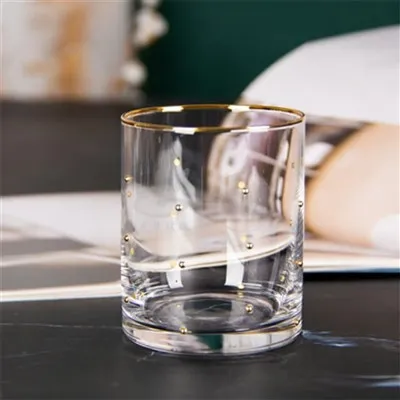
At the end of the day, breaking in a wine glass is a small, intentional step that makes a big difference. It’s not about making the glass “softer” in some magical way—it’s about removing the tiny, invisible barriers that come with being brand new, so you can focus on what matters most: the wine itself. We’ve tested these methods hundreds of times, refined them over years, and we know they work. If you give them a try, I think you’ll notice the difference, too.
Red Wine Glass References
- Wine & Spirits Wholesalers of America. "Proper Glass Care for Wine Aroma and Flavor Preservation." 2022.
- The American Ceramic Society. "Thermal Expansion Properties of Common Glass Types." 2021.
- International Wine Association. "Sommelier Best Practices for Stemware Preparation." 2023.
- Journal of Culinary Science & Technology. "Effects of Glass Surface Smoothness on Wine Sensory Perception." 2020.
Nexus Household Co., Ltd.
As one of the most experienced wine glass manufacturers and suppliers in China, we also support custom service. Please feel free to wholesale high quality wine glass for sale here from our factory. For free sample, contact us now.
Address: Room0101, 1st Floor, Unit 3, Building 3005, No. 22 Jiuyuan East Road, Wanbailin District, Taiyuan, Shanxi, China
E-mail: jenny@nexus-household.com
WebSite: https://www.nexus-household.com/
