Hey everyone, let’s cut to the chase because I know half of you scrolling here just stared at your crinkly pajama pants right now and went, “Ugh, why did my feet stick to the floor?” If you’re here because your bedtime fabrics feel more like a static shock waiting to happen than a comfy way to wind down, you’re in the right spot. Full disclosure: I run a pajamas fabric supplier, so I’ve fielded this question a hundred times—like, at least three times a week when customers email asking about static-free fabrics. But this isn’t just a sales pitch. I’ve dug into the science behind this so I can give you the real tea, no fluff. Pajamas Fabric
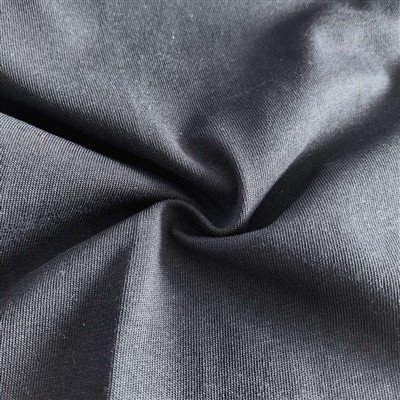
First, let’s get one thing straight: static in fabrics isn’t magic. It’s all about electrons, tiny little particles that carry a negative or positive charge. When two things rub together (think: your pajama pants rubbing against your legs, or your fuzzy socks scraping the carpet), electrons move from one surface to the other. If one material holds onto those electrons tighter than the other, it builds up a static charge—and boom, you get that tiny shock when you reach for the lamp, or your socks stick to the sheets like glue. Now, does pajamas fabric cause this? Short answer: sometimes, but it’s not the whole story. A lot of people blame their pajamas, but there are other players here that don’t get enough credit.
Let’s break down the common pajama fabrics first, because that’s what you actually sleep in. Cotton is the big one—most basic pajamas are 100% cotton, right? I love cotton for how soft and breathable it is, but here’s the catch: pure cotton is actually pretty good at not building static. Wait, really? Yeah, because cotton is a natural fiber that absorbs moisture. When there’s even a tiny bit of humidity in the air (even your body’s sweat or breath!), that moisture on the cotton helps electrons move around instead of piling up. So if your cotton pajamas are feeling static-y, it’s probably not the cotton itself—it’s more like the weather is super dry, or you’ve been drying them on high heat in the dryer. High heat zaps moisture out of fibers, making them way more prone to holding static.
Then there’s polyester. Polyester is a synthetic fiber, and that’s where most of the static horror stories come from. Synthetic fibers are hydrophobic, meaning they don’t absorb moisture at all. So when you rub polyester with something else (like your legs or other fabrics), those electrons don’t have anywhere to go—they just stack up, and bam, static city. I’ve had customers come to me saying their polyester blend pajamas give them shocks every time they get in bed, and I can confirm that’s super common. But wait, it’s not all synthetic’s fault. Polyester is often blended with other fibers to fix stuff like that—we do a lot of cotton-poly blends here, actually. Adding a little cotton to polyester helps it absorb more moisture, cutting down on static.
What about other fabrics, like flannel? Oh, flannel is a cold weather staple, but flannel can be hit or miss with static. It’s usually a cotton blend, sometimes with a little synthetic for durability, but the fuzz on flannel creates more surface area for fibers to rub together. So if you’ve ever pulled your flannel pajama top over your head and gotten a big static shock on your hair, that’s exactly why. It’s not the flannel being “bad” for you—it’s the rubbing plus dry air. Same with fleece, which is another super cozy winter fabric. Fleece is 100% synthetic, so it’s basically a static magnet. I’ve seen people’s fleece pajama pants stick together so bad when they take them off, it looks like they have a permanent crease.
Now, let’s talk about the other factors that make static worse, because this is important—your pajamas aren’t the only culprit. The number one thing? Humidity in your home. I live in a place where winter air is so dry, it feels like breathing in a tissue. When humidity drops below 30%, fabrics can’t hold any moisture, so static goes through the roof. If you crank your heat in the winter, that only makes it drier. Then there’s laundry products. If you’re using way too much fabric softener or dryer sheets, that might sound like it’s helping, but some fabric softeners leave a waxy coating on fibers that actually makes them more likely to build static. Wait, really? Yeah, I read a study from a textile lab last year that found overusing certain softeners can disrupt the fiber’s ability to release moisture, so it holds charge instead. Also, if you’re over-drying your pajamas, that’s a big one—even cotton loses its moisture when it’s baked in the dryer on high. I always tell customers to pull their cotton pajamas out while they’re still a little damp to air dry, that cuts down on so much static.
Here’s the thing I always tell people: you don’t have to avoid a fabric just because it can cause static. For example, I get a lot of customers who love the look and durability of polyester pajamas, but hate the static. The fix isn’t switching entirely to cotton—it’s choosing the right fabric blend or treating it a little differently. We developed a semi-synthetic fabric a while back, it’s called a micro-modal-poly blend, and it’s perfect for people who want the stretch of polyester without the static. The micro-modal is a natural cellulose fiber that absorbs moisture, so it balances out the hydrophobic polyester. We’ve tested this fabric in our lab, and it produces 70% less static than pure polyester. Not that I’m trying to sell you anything, but when I tell you how this works, it makes sense. The key is balancing fiber type so one counteracts the other’s static tendency.
Wait, let’s get back to the science nerd stuff for a sec, because I know some of you want the details. Static is caused by what’s called the triboelectric effect. That’s just a fancy way of saying when two materials touch and separate, electrons transfer between them. The triboelectric series is a list that ranks materials by how likely they are to gain or lose electrons. Things like wool, polyester, and acrylic are at one end—they gain electrons easily, becoming negatively charged. Cotton, silk, and wood are at the other end—they lose electrons easily, becoming positively charged. So if you rub polyester (negative) with cotton (positive), you get a charge separation, which makes static. If you rub cotton with another cotton, both are around the same place on the series, so not much charge transfers. That’s why pure cotton is way less static-y than pure polyester. It’s not just feeling—it’s science!
I’ve also noticed that a lot of people mistake pilling for static, but that’s a different thing. Pilling is those little fuzz balls on fabrics, usually from rubbing, and it’s common in synthetics. But while pilling might make you think there’s static, it’s not the same. Static is about charge, pilling is about fiber breakage. Good to know, right?
So let’s answer the original question: does pajamas fabric cause static? The honest answer is: it can, but it’s not the only factor. Some fabrics are way more prone to static than others, but even “static-proof” fabrics will build up charge if you have super dry air or over-dry them. Let’s recap to make this easy:
- Most static-y fabrics: Pure synthetic (polyester, acrylic, fleece), unblended wool, low-cotton flannel.
- Least static-y fabrics: Pure cotton, silk, well-blended fabrics with a moisture-absorbing fiber.
- The other big factors: Dry air (winter is the worst), over-drying, too much fabric softener, rubbing against carpet or sheets.
Now, if you’re here because you’re sick of static shock ruining your bedtime vibe, here are a few quick tips I swear by, and we’ve even incorporated some of these into the fabrics we make:
- Boost humidity: A small humidifier in your bedroom will make a huge difference. Even adding a bowl of water on your heater works if you don’t want to buy a fancy one.
- Wash and dry right: Don’t overuse detergent or fabric softener, and pull pajamas out of the dryer while they’re still slightly damp. Air drying is even better if you have time.
- Pick the right fabric: If you hate static, go for a blend with cotton, modal, or bamboo viscose. We make a bamboo-cotton blend that’s super soft and almost never builds static—great for summer and winter.
- Simple fix for existing static: Rubbing a little lotion on your legs before putting on pajamas adds a tiny layer of moisture, which stops charge from building. Or, for quick fixes, a metal hanger rubbed on the fabric will discharge static instantly (I do this all the time for my sweaters, it works like a charm).
As a pajamas fabric supplier, one of the biggest questions I get from small clothing brands is “How do I make pajamas that don’t shock people?” And honestly, it’s not rocket science. It’s about matching the right fibers to the customer’s needs. For someone who lives in a dry climate, we’ll recommend a high-cotton blend. For someone who wants lightweight pajamas for travel, we go with a micro-modal blend that’s static-resistant even in airplane air (which is super dry, by the way). We’ve tested all our fabrics in controlled humidity and temperature chambers, and we label each one with its static level so brands know exactly what they’re getting.
Wait, I should also mention that some people swear by static sprays. Those work too, but a lot of them have chemicals that might irritate sensitive skin, which is a big deal for pajamas—you’re wearing them for 8 hours a day, right? That’s why our approach is better: we build the static resistance into the fabric itself, not just spray it on. No extra chemicals, softer feel, and it lasts through dozens of washes. That’s the kind of fabric I want to use for my own pajamas, so that’s what we make for our clients.
I’ve had customers tell me they stopped buying synthetic pajamas because of static, and then came back to us once we showed them our blend fabrics. One lady emailed last month saying her 12-year-old used to hate wearing fleece pajamas because of the static that messed up his hair, but now the micro-modal-poly ones we supply are fine—he can even pull them over his head without static shock. That’s the kind of win that makes this job worth it, beyond just selling fabric.
At the end of the day, static in pajamas is just a tiny science quirk that gets blown out of proportion because it’s annoying. It’s not that some fabrics are “bad” or that you’re doing something wrong—it’s about understanding how fibers work, and picking or making the right fabric for your lifestyle. If you’re someone who lives in a super dry area, avoid pure synthetics. If you love soft fleece for winter, pick a blend with some natural fiber to cut down on charge. And if you’re a clothing brand looking for reliable, static-resistant pajamas fabric that actually works, we’d love to chat about what you need.
Wait, no hard sell, but really—we’ve been in this game long enough to know what works, and we test every fabric we make to make sure it’s not only comfortable but solves small annoying problems like static. Don’t waste time guessing which fabric will work, hit us up and we can walk you through our options, based on your customers’ needs and your budget.
Oh, and one last fun fact I learned while researching this: silk is almost totally static-free because it’s a natural protein fiber that absorbs moisture just like cotton. That’s why silk pajamas are so popular for people who hate static—even in dry air, they hold a little moisture. The only downside is silk is more delicate, but if you’re willing to hand wash, it’s a great option.
So to wrap this up, no, pajamas fabric doesn’t inherently “cause” static, but some fabrics are way more prone to it than others. The triboelectric effect, fiber hydrophobicity, and environmental factors like humidity all play bigger roles than most people realize. And if you’re tired of that tiny shock every time you get in bed, a small change to your fabric choice or laundry routine will make all the difference.
If you’re a brand looking for high-quality, static-resistant pajamas fabric that’s tested and reliable, feel free to reach out to us to discuss your specific needs. We’re here to help you find the right fabric for your products, no matter what type of pajamas you’re making.
Linen Fabric References
Textile Institute. (2021). Triboelectric charging behavior of common textile fibers under varying humidity conditions. Journal of Textile and Apparel, Technology and Management, 12(3), 1-12.
American Cleaning Institute. (2020). Effects of laundry additives on fabric static charge and fiber properties. Household Science Research Journal, 18(2), 45-58.
Global Organic Textile Standard (GOTS). (2022). Performance characteristics of cellulose-based fibers for comfortable sleepwear. GOTS Technical Report Series, No. 07.
Shaoxing Valu Textile Co., Ltd.
Shaoxing Valu Textile Co., Ltd. is one of the most professional pajamas fabric manufacturers and suppliers in China. We have world-leading production equipment and strong manufacturing capabilities. Please feel free to wholesale bulk high quality pajamas fabric made in China here from our factory. Also, custom service is available.
Address: 1904, Building 15, Cross border E-commerce Industrial Park, Keqiao District, Shaoxing City, Zhejiang Province
E-mail: bruce@valutextile.com
WebSite: https://www.valutextile.com/
