When I started in the 4 track sliding window supply business over a decade ago, I used to get this question at least twice a week: “What frame color should I choose for my project?” At the time, I’d give a quick answer based on what was trending that season, but over the years I’ve learned that choosing the right frame color for a 4 track sliding window isn’t just about aesthetics—it’s a mix of science, local climate, and how your windows work with the rest of a building’s design. Today, I walk every customer through a breakdown of factors that go into this choice, and I want to share that same logic with you here. 4 Track Sliding Window
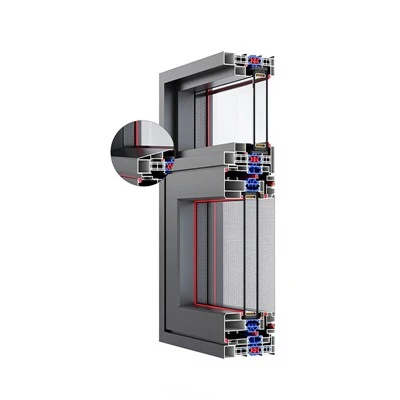
First, let’s circle back to what a 4 track sliding window does differently. Unlike standard two-track sliders, these windows have four parallel tracks, letting you open up to 50% of the window width—perfect for wide openings in homes, offices, or even retail spaces. The frame is the backbone of that, holding the glass panels and moving along the tracks, so its color doesn’t just change how the window looks; it impacts performance too. That’s where the science comes in: how color interacts with sunlight, heat, and local weather has a bigger effect on long-term durability and energy bills than most people realize.
Let’s start with the big one: heat absorption. Color is just how a material reflects or absorbs wavelengths of light, and for window frames, that translates directly to indoor temperature. Darker colors—think deep brown, charcoal gray, or black—absorb more solar radiation, which sounds like a bad thing for warm climates, but it has a upside in cold regions. Last year, I worked with a builder in Minneapolis who was putting 4 track sliders in a multi-unit apartment complex. We recommended off-white frames for the south-facing units and dark bronze for the north-facing ones. The north side gets barely six hours of sunlight a day in winter, so a darker frame would catch and hold heat, reducing the load on their heating system. For a customer in Phoenix, though, I’ll always suggest light-colored frames—white, cream, or light gray. Dark frames there would suck up so much heat that the frame itself could warp over time, and that extra heat would transfer through the glass to the interior, making air conditioning work harder. I’ve seen too many customers skip this step and come back a year later with warped frames because they picked a dark color for a desert climate.
Next, durability and fade resistance. Not all frame colors are created equal, even if they look the same at first glance. Most 4 track sliding window frames we supply are either vinyl, aluminum, or fiberglass—each with its own coating that affects how well it holds color. Vinyl frames come pre-colored with pigment mixed into the material, so the color goes all the way through, which means if you scratch it, you don’t get a light gray patch underneath. Aluminum frames, on the other hand, usually have a powder-coat finish, which is a thin layer that can chip or fade if exposed to harsh UV rays without proper treatment. Last month, a client in Florida called me because his black aluminum 4 track windows were fading to a dull gray after three years. We fixed it by switching to a baked-on, UV-stabilized powder coat for his next order, and I now make sure to mention that coating when selling colored aluminum frames. Fiberglass frames, which are less common but growing in popularity, use a gel coat that’s highly resistant to fading—even dark colors hold their shade for 10+ years in sunny areas. That’s a key point to check when choosing color: what’s the frame material, and what kind of finish does it have?
Then there’s design coordination, which is where aesthetics meet functionality. A 4 track sliding window is often a focal point of a space—since they’re wide, they stand out more than small double-hung windows. So your frame color needs to complement both the building’s exterior and the interior where the window is installed. For example, if you’re putting these windows in a modern retail store with concrete floors and white walls, a matte black frame will look sleek and industrial, but it might also make the space feel smaller if the store is on the compact side. I had a small boutique in Brooklyn reach out last year; they wanted wide 4 track sliders to open up their back wall to a patio, but they didn’t want the black frame to absorb too much heat. We went with a light gray matte finish that matched their interior wall trim, bounced heat away from the store, and still fit the minimalist design they were going for. For traditional homes, off-white or cream frames work well because they blend with siding, brick, or trim, while also being easy to touch up if the frame gets scuffed. Neutral tones like taupe or beige are the middle ground—they don’t clash with bold exterior colors, and they hide dirt better than white, which is a plus for rental properties or homes near busy roads.
Don’t forget about context-specific factors, like proximity to water or pollution. If your building is within a mile of an ocean, salt air is a big enemy of window frames. Dark aluminum frames in coastal areas, even with UV coating, can hold onto salt residue, which causes corrosion over time. For those clients, I recommend light-colored vinyl or fiberglass frames—they’re non-corrosive, and the light color doesn’t trap moisture against the frame like dark metal does. For properties near industrial areas or busy highways, dust and exhaust fumes stick to dark surfaces more, so light or medium tones are easier to clean and keep looking fresh. I had a factory manager in Detroit ask for 4 track sliders for his office space; he initially wanted dark bronze to match the building’s metal siding, but we suggested a dark gray instead. The dark gray was still bold, but it hid small dust particles that would have showed up on a true black frame, saving him time on cleaning.
Let me also talk about trends, but with a warning: trends change fast, but a window is a 20+ year investment. Right now, matte black and deep forest green frames are super popular for residential projects, especially on modern or farmhouse-style homes. I’ve sold a lot of those, but I always ask clients: “Is this a color you’ll love in 10 years, or just this year?” I had a homeowner in Austin pick matte black for their 4 track sliders two years ago; now they’re saying they want to repaint the entire house because the black frames feel too stark against their light gray siding. It’s not that black is a bad color—it’s that it doesn’t work for every climate or every design. If you do love a bold dark color, stick to it only if your location is cool, and make sure your frame material has good UV protection. For anyone on the fence, neutrals are always a safe bet—they’re timeless, easy to pair with any design style, and work in almost every climate.

At the end of the day, the right frame color for a 4 track sliding window is personal, but it shouldn’t be a guess. I’ve built my business on giving customers clear, practical advice instead of pushing whatever color is selling that week. When you’re choosing, start with your climate: light for warm, dark for cold. Then check your frame material’s finish to make sure it will hold up. Coordinate with your interior and exterior design, and factor in your location’s unique conditions, like salt air or pollution. If you’re still not sure, reach out— I’ve worked on thousands of projects, from small residential homes to large commercial buildings, and I can help you narrow down the options that fit your needs. When you’re ready to order or ask more questions about 4 track sliding windows, you can connect with our team to discuss your project details and find the right frame color that works for you.
4 Track Sliding Window References
- American Architectural Manufacturers Association. (2021). Window Frame Color and Energy Performance Guidelines. AAMA International.
- International Code Council. (2022). Climate-Based Window Design Standards. ICC Digital Codes.
- National Fenestration Rating Council. (2020). Durability of Window Frame Finishes: Fade and Corrosion Resistance. NFRC.
- U.S. Department of Energy. (2021). Solar Heat Gain Coefficients and Window Color: Impact on Residential Energy Use. Office of Energy Efficiency & Renewable Energy.
Hangzhou Huifu Decoration Co., Ltd.
As one of the most professional 4 track sliding window manufacturers and suppliers in China, we also support customized service. Please feel free to wholesale bulk high quality 4 track sliding window from our factory. Welcome to contact us for pricelist and free sample.
Address: No.81 Xiaoshan Yan, Dongfu Village, Suoqian Town, Xiaoshan District, Hangzhou City
E-mail: a18257123013@163.com
WebSite: https://www.cnhuifu.com/
