Hey everyone, and welcome to the blog—where we break down storage tank stuff that actually matters, no jargon allowed. Today’s question comes up all the time, especially from folks who’ve had a tank sitting on their property a few years, noticing that orange crust starting to take over the outside: Can you repair a rusted storage tank? Storage Tank
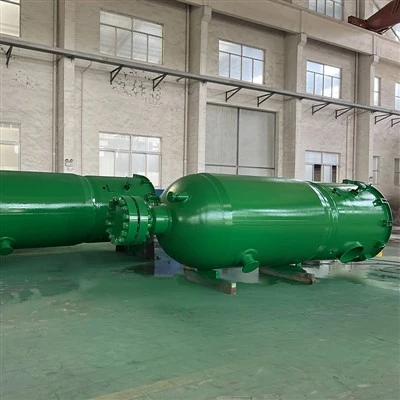
First off, let’s cut to the chase: It depends. Not all rust is the same, and not all rusted tanks are worth fixing—nor should they be. I’m the owner of a storage tank supply company, and my team works with clients every day who reach out panicking about a rusted tank, not sure if patching it up will save them money or just become a bigger headache. Let’s walk through what we actually see out in the field, because this isn’t something you can Google a 10-second answer for.
First, let’s talk about why tanks rust in the first place. Most storage tanks (the ones we supply for water, oil, chemicals, even agriculture stuff like fertilizer) are made of carbon steel. Carbon steel is durable, cheap, and perfect for most bulk storage needs—until it’s exposed to moisture and oxygen. That’s when rust happens: iron + water + air = iron oxide, the flaky orange stuff you see. Now, that rust isn’t just a cosmetic issue. It eats through the steel, too. Left unchecked, a pinhole leak can turn into a 6-inch hole in a couple years, and that’s a problem no one wants to deal with—especially if you’re storing something that’s supposed to stay contained.
So when is a repair even an option? Let’s start with the basics: you need to diagnose the rust’s depth and location, and figure out if the tank’s structural integrity is still intact. Here’s how we do it for our clients: first, we do a visual inspection (duh) but not just the surface. We look for thick, pitted rust vs. thin, surface rust. Surface rust is that stuff you can scrape off with a screwdriver—usually only on the outer layer of the tank, no big deal. Pitted rust is when the steel has actually eroded, leaving small holes or indentations where the metal is thin. If that pitting is less than 20% of the tank’s total surface, and there’s no rust on the interior we can’t fix, we can often repair it. If it’s more than that? Most of the time, replacing it is the better call.
Wait, let’s clarify interior vs. exterior rust, because that’s a huge mistake people make. Exterior rust is easier to fix—you can sand it down, prime it, paint it with a heavy-duty rust inhibitor, and that’s usually good for 5-10 more years. Interior rust is way trickier. If the stuff you’re storing (water, for example) has contaminants that cause rust inside the tank, or if there’s condensation building up because the tank isn’t properly vented, that’s a whole other issue. We had a client last year who tried patching a small interior rust spot with epoxy paint, and within 6 months, the rust was back because condensation kept dripping on it. Interior rust means you either have to clean the inside properly (with a sandblaster, usually) or, in some cases, line the tank with a protective coating. But even then, if the interior is too rusted, the lining won’t stick—so it just falls off later.
Now, let’s talk about actual repair methods, because there’s a right way and a very wrong way to do this. A lot of guys will grab a can of rust converter and a patch kit from the hardware store, slap it on, and call it a day. That works for a garden shed, not a 10,000-gallon storage tank. Here’s what we recommend for safe, long-lasting repairs:
-
Remove all loose rust first. We use sandblasting for big tanks, but for smaller ones, a high-pressure power washer with a wire brush attachment works. You can’t skip this step—if you paint over loose rust, it’ll keep growing under the paint and make the problem worse. For really bad pitting, we’ll cut out the rusted section entirely and weld in a new piece of steel. That’s the only way to make sure the structural integrity is back. A lot of people try to patch over pitted spots with epoxy, but epoxy can’t hold up to the pressure of bulk storage. We once saw a 5,000-gallon water tank that was patched with epoxy, and when they filled it up, the patch blew out at 3 a.m., flooding their entire farm. Ouch.
-
Treat the remaining rust. After you’ve sandblasted or cut out the bad parts, you need a rust inhibitor that’s made specifically for carbon steel tanks. Regular house paint won’t cut it—you need something with zinc, or a rust converter that turns the remaining iron oxide into a stable compound so it can’t keep eating the steel. We stock these exact inhibitors in our supply shop, actually, because it’s a common thing clients need when they’re repairing a tank before they buy a new one.
-
Seal it up, then maintain it. Once the repairs are done, you need to apply a protective coating—usually a polyurethane or epoxy paint that’s designed for industrial use. And don’t forget the regular checks! We tell clients to inspect their tanks twice a year: once in the spring after cold weather thaws (cold weather can cause rust to expand and spread), and once in the fall before winter sets in. Catch small rust spots early, and you won’t end up with a costly replacement later.
Now, let’s get to the big question: Is it worth the cost? Let’s do a quick breakdown. A standard 10,000-gallon carbon steel storage tank from us costs around $1,500-$3,000, depending on features. Repairing a rusted tank? Depending on how bad it is, that’s usually $500-$1,200. If the tank is in good shape structurally, and the rust is only surface or small pitting, that’s a no-brainer. But if the rust is structural—like, the tank’s legs are rusted through, or the bottom of the tank is corroded (that’s actually where most tanks fail, by the way—water sits at the bottom, so rust builds up there), then repair is probably not worth it. A structural repair could cost more than a new tank, and even then, you’re taking a risk that the rust will come back in a few years.
We had a client last year who insisted on repairing a 20-year-old tank they thought was “just a little rusty.” We warned him that the bottom of the tank had 30% pitting, which is too much to safely repair, but he went ahead anyway. Three months later, the tank sprung a leak, and he lost 800 gallons of non-potable water. That’s not just a mess to clean up—he had to shut down his entire operation for a week while we installed a new tank. So sometimes, saying “no, you should replace it” is better for the client in the long run, even if it means losing a repair job. That’s how we do things, no fluff.
Wait, what about tanks made of other materials? Like stainless steel or aluminum? Those rust way less, obviously. Stainless steel tanks can get “pitting corrosion” if they’re exposed to harsh chemicals, but that’s different from regular rust. Aluminum is even more resistant. The repairs we’re talking about here are mostly for carbon steel tanks, which are the most common kind we supply.
Another thing to keep in mind: regulations. A lot of places have rules about storage tanks that hold chemicals or potable water. If you’re repairing a tank that holds drinking water, you can’t just use any epoxy or paint—you need an NSF-approved coating. We carry those, too, and we make sure our clients know which ones are allowed in their area. Ignoring regulations? That’s a fine waiting to happen, and no one wants that.
So to circle back to the original question: Can you repair a rusted storage tank? The short answer is, if the rust is only surface-level, or small pitting in non-structural areas, yes—do it right, and it can last another decade or more. But if the rust has eaten through structural parts, covers more than 20% of the surface, or is on the interior where you can’t easily fix it? Don’t risk it. A new tank will save you way more hassle and money down the line.
If you’re not sure where your tank falls—send us a photo, or bring it by our shop. We’ll take a look, give you an honest opinion: whether repairing it makes sense, or if a new tank is the better call. We’re not here to upsell everyone a new tank; we’re here to give you the solution that works for your situation, whether that’s a repair kit, a new tank, or just tips on maintaining the one you have.
If you’re thinking about a repair or ready to shop for a new storage tank, hit us up—we can walk you through all the options, answer any questions you have, and make sure you get something that fits your needs and budget.

Oh, one last pro tip: if you do repair a rusted tank, add a secondary containment ring around it. That’s a extra barrier in case a leak does happen, so you don’t end up with a huge mess. We supply those, too, and they’re way cheaper than cleaning up a chemical or water leak.
Heat Exchanger References:
- American Water Works Association. (2021). Standard Practice for Inspection of Steel Water Storage Tanks. AWWA Manual M42.
- National Association of Corrosion Engineers International. (2019). Corrosion Control for Aboveground Storage Tanks. NACE SP0178.
- Environmental Protection Agency. (2020). Aboveground Storage Tank Inspection and Maintenance Guidelines. EPA 510-R-20-002.
Jiangsu Minheng Engineering Equipment Co., Ltd.
As one of the most professional storage tank manufacturers and suppliers in China, we also support customized service. Please feel free to buy advanced storage tank made in China here and get pricelist from our factory. For price consultation, contact us.
Address: No.18 Xinjiang Road, Jingjiang City, Taizhou City, Jiangsu Province, China
E-mail: 15190632575@163.com
WebSite: https://www.mhvessel.com/
