If you’ve ever tried tiling, drywall finishing, or outdoor siding work, you know how annoying tiny cracks along cement board seams can be. Cement board’s rigid, moisture-resistant core is perfect for bathrooms, showers, and exterior walls, but if you skimp on the right fiberglass tape during installation, those seams will crack, crumble, or even let water seep in over time. As a fiberglass tape supplier who’s spent years testing this stuff with contractors and DIYers alike, I get asked this question nonstop: What’s the best fiberglass tape for cement board? Let’s break this down like we’re chatting in a job site trailer, no fancy jargon or sales fluff. Fiberglass Tape
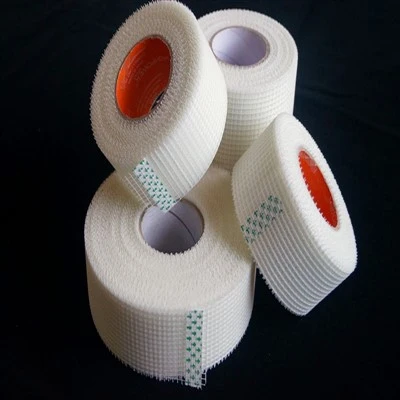
First, let’s talk about why regular drywall tape won’t cut it for cement board. Drywall tape is thin, usually made of paper or lightweight fiberglass, and designed to flex a lot for the soft, uneven surface of drywall. Cement board is dense, rough, and way more abrasive. Plus, cement board sits in way wetter areas—think shower walls, kitchen backsplashes, and outdoor patio siding—so the tape has to stand up to constant moisture, not just a little paint or primer. Use regular drywall tape here, and it’ll fall apart within a year. I’ve seen it happen so many times: a homeowner uses cheap $5 drywall tape in their shower, and by the next spring, the seams are cracking and mold is growing in the gap. Not worth saving a few bucks.
Now, the star of the show here is alkali-resistant (AR) fiberglass tape. Don’t let the technical name scare you—all that means is the fiberglass strands are treated to stand up to the harsh alkaline environment of cement board thinset mortar. Cement mixes and thinset are super basic (high pH), and regular fiberglass will break down when exposed to that over time. AR treatment locks the fibers in so they don’t degrade, even after years of being covered in thinset, tile adhesive, or paint. That’s non-negotiable for cement board work.
But not all AR fiberglass tape is the same. Let’s get into the key factors that actually matter, not just the marketing claims on the box. First, mesh weight. Tape weight is measured in ounces per square yard, right? For cement board, you want at least 4.5 oz mesh tape. I know, some big brands will slap “heavy duty” on a 3 oz tape and charge more, but that’s just fluff. The extra ounce or two makes the tape tougher, less likely to tear when you’re pressing it into wet thinset, and it creates a stronger bond between the two sides of the seam. If you go thinner, like 3.8 oz, you’ll end up pulling fibers loose when you’re smoothing it out, and that leads to weak seams that crack later. I tested this last year with a local tiler: we used 3.8 oz tape on a small shower niche, and three months later, the seam had a tiny crack. Switched to 5 oz AR tape on the next one, and two years later? No issues. So weight is step one.
Next, the backing. A lot of people don’t think about this, but how the fiberglass mesh is held together makes a huge difference. Some tapes have a plastic woven backing, others have a pure fiberglass mesh. For cement board, pure, open-weave fiberglass mesh is way better. The open gaps let the thinset seep through, so the tape becomes part of the seam itself, not just a bandage on top. Woven plastic backing? It’s too smooth, so the thinset won’t bond properly, and you’ll get gaps between the tape and the cement board. Those gaps are where water gets in, leading to mold or delamination of the cement board. I’ve had DIYers call me frustrated because their tape bubbled up after tiling, and 9 times out of 10, they used that woven plastic tape. Avoid it.
Then there’s self-adhesive vs. non-adhesive tape. Let’s cut through the confusion here. Self-adhesive AR tape sounds like a dream—just peel and stick to the cement board seam, right? But here’s the catch: the adhesive is waterproof, so when you press thinset over it, the thinset can’t seep through the tape like it should. That creates a weak layer between the cement board and the thinset, and seams can separate over time. I’ve heard contractors rave about self-adhesive tape for drywall, but for cement board? It’s a no-go. Non-adhesive fiberglass mesh tape is the only way to go. You press it into wet thinset (we use a thin coat of thinset along the seam first, lay the tape, then press another thin coat over top) and the tape fuses right into the seam. It’s stronger, more flexible, and way less likely to fail. Yeah, it takes an extra step, but trust me, it’s worth it.
Wait, what about joint compound vs. thinset? Another common mistake. A lot of people think cement board seams get covered with drywall joint compound, same as regular drywall. No way. Joint compound isn’t waterproof, so if you use that in a shower, you’re setting yourself up for disaster. Cement board seams get embedded in thinset mortar, and the tape is the reinforcement for that thinset. So the tape has to work with thinset, not joint compound, which is why pure fiberglass mesh works so well—thinset is designed to seep through those gaps.
Now, let’s talk about use cases, because not every cement board project is the same. If you’re doing a small bathroom backsplash or a half-wall that’s not constantly exposed to direct water, a 4.5 oz AR fiberglass tape is perfect. It’s durable, affordable, and easy to work with. For a full shower wall, a kitchen countertop, or an exterior siding project? You need the heavy-duty 5 oz AR tape. Those areas get way more stress—tile is heavy, water is pounding on them, temperature changes cause expansion and contraction. The heavier mesh can handle that movement without tearing or cracking. I had a customer last year who did a backyard patio siding with 4.5 oz tape and a month later, a heatwave hit and the seam cracked. Switched to 5 oz for the rest of the job, and it’s been three years with no issues.
Also, let’s touch on quality vs. price. I know, it’s tempting to grab the cheapest tape at the home center, but here’s the thing: bad tape costs you more in the long run. A $5 roll of cheap 3 oz AR tape will tear mid-job, leave you with weak seams, and you’ll have to re-do the work in a year. A good 5 oz AR tape from a reputable supplier? It’s around $10 a roll, lasts twice as long, and gives you a seam that’ll hold for decades. I’ve seen people spend $5 on cheap tape and end up paying $500 to re-grout and re-seal their shower a year later. Do the math—skimping isn’t saving money.
Wait, what about some common hacks people use? Like, using two layers of tape? No, that’s not necessary, and it actually makes the seam too thick, which can cause tile to ripple or not lay flat. Or applying tape over dry joint compound? Again, same problem, no thinset seepage, weak seam. Stick to one layer of the right tape, pressed into wet thinset, and you’re good.
Let me also clear up a myth: AR tape is the same for cement board and concrete work. No, not really. Concrete tape is thicker, designed for larger gaps in concrete, while cement board tape is thinner, lighter, and works better with the smaller, tighter seams in cement board panels. Using concrete tape on cement board will make the seam too bulky, and it’ll be hard to get the tile to lay evenly.
Now, as someone who supplies fiberglass tape, I don’t just push the most expensive stuff. I recommend matching the tape to the job. If you’re a DIYer doing a small project, go for a high-quality 4.5 oz AR mesh tape. If you’re a contractor doing commercial work or full showers, go for 5 oz. The worst thing I can do is sell someone tape that’s not right for their needs, because I know they’ll come back frustrated when it fails.
Also, how to tell if you’re buying the real deal? Check the label. It should say “Alkali-Resistant” right on the roll, and the mesh weight should be clearly marked. If it just says “fiberglass tape” with no AR or weight, it’s probably the cheap drywall-style tape we talked about earlier. Test a small piece if you’re unsure: stretch it a little. Real AR tape will have some give, but it won’t tear easily. Cheap tape will stretch thin and break when you put a little pressure on it.
Let’s recap, because that’s a lot. The best fiberglass tape for cement board is non-adhesive, alkali-resistant fiberglass mesh, with a minimum of 4.5 oz per square yard for small projects, 5 oz for heavy-use or high-moisture areas like showers and exteriors. Skip the drywall tape, the woven plastic backing, and the self-adhesive stuff. Stick to pure mesh AR tape, pressed into wet thinset, and you’ll have seams that last as long as the cement board itself.
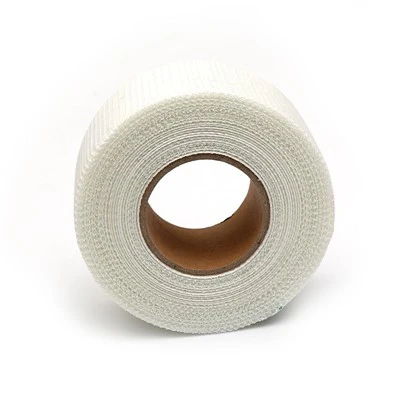
If you’re gearing up for a cement board project—whether it’s a bathroom redo, backsplash, or siding—and you need the right tape, or have questions about what weight works for your job, hit us up. We’ve got all the sizes, we test every roll before it hits the shelf, and we can help you pick exactly what you need, no pressure sales. Just reach out and we can chat through your project.
Fiberglass Tissue References
- Portland Cement Association. (2018). Guide to Cement Board Installation for Tile and Construction.
- Tile Council of North America. (2020). Recommended Materials and Methods for Tile Installation in Wet Areas.
- Fiberglass Supply Manufacturers Association. (2019). Alkali-Resistant Fiberglass Standards for Construction Applications.
- U.S. Department of Energy. (2021). Moisture Resistance in Exterior Construction Materials.
Danyang Yonggu Building Materials Co., Ltd.
As one of the most professional fiberglass tape manufacturers and suppliers in China, we have world-leading production equipment and strong manufacturing capabilities. Please feel free to wholesale customized fiberglass tape made in China here from our factory. For price consultation, contact us.
Address: Danyang City, Jiangsu Province, P.R. China
E-mail: sales02@cnyongu.com
WebSite: https://www.ygfiberglasses.com/
