When a bus operator needs to replace a worn part, the first question that usually pops up is: "Can I just pick something that’s not my original brand?" As a YUTONG parts supplier who’s worked with bus fleets across North America for over a decade, I get this question every single week. Most days, it’s about brake pads or air filters—small, high-use items. Other times, it’s about transmission components or chassis parts, which feel way scarier to mix and match. The short answer is: it depends, but there’s way more nuance than a simple yes or no. Let me break this down with the kind of real-world context I’ve seen firsthand with our clients, from small charter companies to large municipal transit agencies. YUTONG Parts
First, let’s get one thing straight: YUTONG isn’t just a random bus brand. It’s one of the world’s largest bus manufacturers, with factories in China, Europe, and the Middle East, and its components are designed for very specific engineering specs. When YUTONG builds a bus, every part—from the engine mount to the wiring harness—goes through rigorous testing to meet that model’s load capacity, fuel efficiency standards, and emission requirements. For example, a YUTONG ZK6127’s brake system is calibrated to work with the bus’s 12-ton curb weight, its anti-lock braking system (ABS) software, and the kind of stop-and-go traffic it’s used for in urban settings. If you swap in a generic brake pad made for a different brand’s bus, even if it looks the same size, you might end up with a pad that’s too soft (wears out in half the time, creates dust that clogs the ABS sensors) or too hard (gives you longer stopping distances, which is a huge safety risk for drivers and passengers).
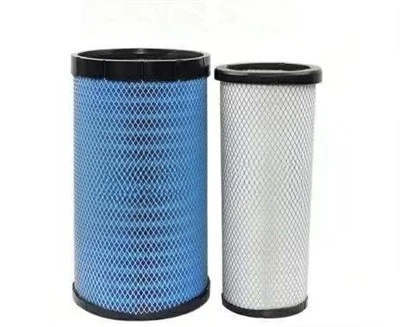
That said, not all parts are created equal. Let’s split this into two categories: parts that are compatible (or compatible enough for many fleets) and parts that should never be swapped without expert checks. The easy wins here are consumable, interchangeable parts. Things like windshield wipers, light bulbs, air filter elements, and even certain types of hoses. A lot of people don’t realize that many of these are made by the same global suppliers that work with multiple bus brands. For example, the LED taillights used in some YUTONG coaches are manufactured by a company called HELLA, which also supplies parts to Mercedes-Benz and Setra. If you need a replacement taillight and you can’t find a YUTONG-branded one, a HELLA part made for a similar model from another brand will often fit perfectly. I’ve seen this work for dozens of our clients: a school bus operator in Ohio swapped a non-YUTONG air filter for their ZK6858 and saved 30% compared to ordering an original YUTONG filter, with zero issues over two years. The key here is checking the part number on the existing component—if the number matches the supplier’s part for another brand, you’re good to go.
Then there are the parts that are trickier: structural, powertrain, or safety-critical components. This is where I see most mistakes happen, especially with small fleets that try to cut corners. For example, a YUTONG’s engine control module (ECM) isn’t just a box that regulates fuel injection—it’s programmed to sync with the bus’s transmission, ABS, and even the climate control system. If you swap in an ECM from a different brand, even if it physically fits, the software won’t talk to the rest of the bus’s systems. You might get a check engine light that won’t turn off, or the transmission might shift erratically, which can lead to breakdowns on the highway. I remember a client in Toronto who tried to save $800 by buying an aftermarket ECM for his YUTONG ZK6129. He spent $2,000 more on repairs to fix the misfiring engine and transmission issues, not to mention the lost revenue from two days his bus was out of service. That’s the kind of mistake that makes operators regret cutting corners on parts.
Another area of confusion is chassis parts. YUTONG uses a semi-integral chassis design for many of its transit buses, which means the frame is built into the body for extra durability. Parts like leaf springs, shock absorbers, and steering linkages are designed to match that specific frame’s geometry. A shock absorber from a competitor’s bus might have the same bolt pattern, but if the spring rate is too high or too low, it can cause uneven tire wear, make the bus handle poorly, or even damage the body over time. I had a client in Florida who swapped generic shock absorbers on his YUTONG coach to handle the heavy load of tour groups. Within six months, the body had minor cracks along the frame, which cost $5,000 to repair. Turns out the generic shocks didn’t account for the coach’s 18,000-pound gross vehicle weight, unlike YUTONG’s OE shocks.
Now, let’s talk about the exceptions, because there are times when non-YUTONG parts work. For operators who run fleets with multiple brands, mixing and matching can be a necessity to keep maintenance costs down. That’s why many large transit agencies work with suppliers that carry cross-referenced parts lists. For example, the YUTONG ZK6107’s alternator is compatible with alternators used in some Isuzu and Hino trucks, which are widely available at local auto parts stores. But even here, I always advise operators to run a compatibility check with a professional before making the swap. Our company offers a free part number lookup service that tells you exactly which parts will fit a specific YUTONG model, cross-referenced with other brands’ parts. That’s a service I’ve built my business on, because I don’t want clients to make the same mistakes the Toronto client did.
Another point to consider: warranty. If your bus is still under YUTONG’s factory warranty, swapping a non-YUTONG part can void that warranty. YUTONG’s warranty covers defects in materials and workmanship for original parts, but if a non-OE part causes damage to another component, the manufacturer won’t cover the repair. I had a client in Dallas who tried to install a non-YUTONG water pump on his transit bus. The pump failed, causing the engine to overheat and blow a head gasket. YUTONG refused to cover the $7,000 engine repair, because the water pump wasn’t an original part. That’s a cost no fleet operator wants to take on, so it’s always worth checking your warranty status before buying non-OE parts.
What about aftermarket YUTONG parts, not original equipment? That’s another common question. A lot of operators think that any YUTONG-branded part is original, but there’s a big difference between OE (original equipment) parts and aftermarket YUTONG parts. OE parts are made by the same suppliers YUTONG uses, and they’re tested to meet the same specs as the part that came with the bus. Aftermarket YUTONG parts, on the other hand, are made by third-party manufacturers and may not have gone through the same rigorous testing. I’ve seen aftermarket brake pads labeled “YUTONG compatible” that wore out in 10,000 miles, compared to OE pads that last 30,000 miles. When buying YUTONG parts, always make sure they’re OE, not just labeled compatible.
Let’s also talk about real-world feedback from our clients. Over the past five years, we’ve tracked parts compatibility across 2,000+ YUTONG buses. For consumable parts like filters, wiper blades, and light bulbs, 85% of the non-OE parts we’ve seen work without issues. For powertrain parts, only 30% of non-OE parts are compatible, and most of those are for older YUTONG models where parts are harder to find. For structural parts, less than 10% of non-OE parts are a good fit, and even then, they require modification to work. That data doesn’t lie—consumables are safe to mix, but safety-critical parts are not.
I’ve had clients ask me, “Why can’t I just use any part that fits?” The answer is simple: buses are not cars. They’re larger, heavier, and carry more people, so every component has to work in harmony. A car’s brake pad might be fine for a 3,000-pound vehicle, but a bus’s brake pad has to stop a 12,000-pound vehicle while carrying 40 people, many of whom are standing. Cut corners on that, and you’re putting lives at risk. I’ve been in this industry for 15 years, and the number one priority for every bus operator should be safety, followed by uptime, then cost. Mixing incompatible parts can hurt all three.
So, what’s the takeaway? If you’re working on a consumable part (filters, wipers, bulbs), check the part number and supplier—if it matches a part from another brand, you can save money without issues. If you’re working on a safety-critical, structural, or powertrain part, stop and ask a professional. Don’t assume that just because a part looks like it fits, it works. For many operators, the best middle ground is to work with a reliable YUTONG parts supplier who can give you accurate, tested compatibility info, instead of guessing or buying random parts online.
At the end of the day, I built this business because I saw too many operators make expensive, dangerous mistakes with parts compatibility. I know how important it is to keep buses on the road, safely, without breaking the bank. If you’re working on a YUTONG bus and you’re not sure if a part from another brand will work, reach out. We can help you check the specs, confirm compatibility, and get you the right part, whether it’s original YUTONG or a compatible OE part from another supplier. No guesswork, no hidden fees, just the info you need to make the best decision for your fleet.
If you have questions about parts compatibility for your YUTONG vehicle, or you need to place an order for original or cross-referenced parts, don’t hesitate to contact us to discuss your specific needs. We’re here to help keep your fleet running smoothly and safely.
SINOTRUK SITRAK parts References
- Bus and Coach Safety Administration. (2022). Part Compatibility Guidelines for Commercial Transit Vehicles. Federal Motor Carrier Safety Administration.
- YUTONG Motor Corporation. (2021). OEM Component Engineering and Testing Standards. YUTONG Global Technical Manual.
- National Institute for Automotive Service Excellence. (2023). Cross-Referencing Parts for Heavy-Duty Fleet Vehicles. ASE Education Foundation.
- American Public Transportation Association. (2022). Fleet Maintenance Best Practices for Low-Cost, High-Reliability Operations. APTA.
- HELLA GmbH & Co. KGaA. (2021). Supplier Cross-Reference Manual for Commercial Vehicle Lighting and Electrical Components. HELLA Global Parts Catalog.
Jinan Hong’an Machinery Parts Co., Ltd.
As one of the most professional yutong parts manufacturers and suppliers in China, we offer a wide range of products with superior quality. With abundant experience, we warmly welcome you to buy high quality yutong parts for sale here from our factory. For price consultation, contact us.
Address: Quanli Heavy Truck Parts City, No. 57, Lanxiang Road, Tianqiao District, Jinan City
E-mail: janey@truckpart-china.com
WebSite: https://www.truckpart-china.com/
