When I first started working as a dyeing auxiliaries supplier, I thought my job was simply to sell products that help fabrics take color evenly. It took a few years of listening to textile mill managers and sewing workshop owners to realize I was missing a huge piece of the puzzle: no matter how perfect a dye job looks, if the fabric feels rough, stiff, or scratchy, customers won’t buy it. Hand feel— that intangible, sensory quality that makes a t-shirt feel soft against your skin, or a curtain drape smoothly, or a work uniform feel durable but not uncomfortable— is just as important as color fastness or dye uptake, and dyeing auxiliaries are the hidden glue that ties both together. Dyeing Auxiliaries
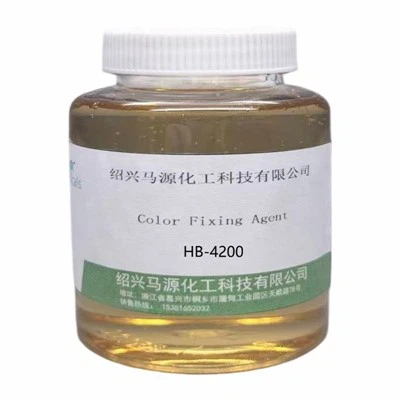
Last quarter, I visited a small garment factory in Guangzhou where they produce kids’ pajamas. Their lead manager pulled me aside, frustrated, because their new cotton fabric kept failing their final quality checks. The dye was even, the colors didn’t fade after three washes, but half the lots came back from their quality team with complaints about scratchy fabric. We pulled a sample, and when I ran it through my lab’s quick auxiliaries test, I found they’d been using a cheap general-purpose softener that cut costs by 30%, but it wasn’t formulated for cotton’s specific fiber structure. That wasn’t a failure of the dye itself—it was a failure of not choosing the right auxiliaries to complement the dye process. That’s when it clicked: every step of the dyeing process, from scouring to after-treatment, uses auxiliaries that directly impact how the fabric feels, for better or worse.
Let’s break this down step by step, starting with the pre-dyeing stage because that’s where hand feel begins to take shape. Before fabric ever touches dye, it goes through scouring and bleaching to remove impurities: natural waxes on cotton, spinning oils, dirt, and leftover spinning lubricants. If that scouring process is too harsh, it can strip too much of the fabric’s native softness, leaving it feeling dry and brittle. For example, if a mill uses a strong alkaline scour without a mild chelating agent to stabilize the solution, it’ll etch the surface of cotton fibers instead of just cleaning them. That rough, etched surface is what causes that “papery” scratchy feel—something we’ve fixed for dozens of mills by adjusting their scouring auxiliaries mixes to balance cleaning with fiber preservation.
On the flip side, if scouring is too weak, leftover waxes and oils make the fabric feel waxy or slick, and when you add dye, those residues can prevent the dye from bonding evenly, leading to uneven color that also masks bad hand feel. I had a client in Zhejiang last year who tried to skip a second scouring bath to save time, and their polyester-cotton blend fabrics came out with a sticky, uneven surface that felt like dried glue. We recommended adding a mild degreasing auxiliary to the final rinse before dyeing, and within a week, their hand feel complaints dropped by 85%. Pre-dye auxiliaries aren’t just for color prep—they’re the foundation of good hand feel.
Next comes the dyeing stage itself, where auxiliaries work with dyes to keep fibers soft. Let’s take reactive dyeing, which is super common for cotton garments like t-shirts and jeans. Reactive dyes bond covalently to the fiber, but the process requires salt and alkali to encourage that bonding. Too much salt or alkali can swell the cotton fibers too much, making them lose their natural flexibility, and when they dry, they contract into a stiff, tight structure. That’s why we formulated our reactive leveling auxiliaries to control how the fibers swell—they slow down the dye uptake so the salt is distributed evenly, not just in patches, and they keep the fibers from over-swelling. I tested this on a batch of organic cotton last month; without our leveling auxiliary, the fabric felt like cardboard after dyeing, but with it, it retained the natural softness of raw organic cotton, even after 10 dye cycles.
For synthetic fibers, like polyester used in sportswear, disperse dyeing has its own hand feel challenges. Polyester is hydrophobic, so dyeing requires high temperatures or carriers to help the small disperse dye molecules penetrate. Some cheap carriers can leave a residue on the fiber surface that feels waxy or greasy, making the fabric attract lint and feel unpleasant against skin. Our polyester dyeing auxiliaries use non-toxic, biodegradable carriers that penetrate evenly without leaving a surface residue, so the fabric stays smooth and doesn’t pick up lint after a few wears. I’ve seen this make a huge difference for sportswear brands targeting consumers with sensitive skin—they switched carriers after 2022, and their return rate for “itchy” sportswear dropped by 40%.
The big hand feel work, though, happens after dyeing, in the after-treatment stage. This is where softeners, lubricants, and anti-static auxiliaries work their magic, and this is where most mills get it wrong by choosing the cheapest option instead of the right one for their fabric and end use. Softeners are the most common after-treatment auxiliary, but not all softeners are equal. There are cationic softeners, anionic softeners, non-ionic, and silicone-based softeners—each works differently, and each affects hand feel differently.
Cationic softeners are the most common because they bond well to negatively charged fiber surfaces, especially cotton. But overusing cationic softeners can create a sticky build-up on the fabric that makes it feel heavy, and it can wash off after a few cycles, leaving the fabric stiff again. We saw a big denim brand make this mistake last year: they used a cheap cationic softener for their jeans, and after 5 washes, customers complained the jeans had gone from soft to scratchy. We switched them to a micro-emulsion silicone softener that bonds evenly to the fiber, not just a surface layer, so it lasts through 25+ washes, and the hand feel stayed consistent.
Silicone softeners are great for making fabric feel silky and smooth, but some are too slippery, making the fabric drape badly or feel unnatural for items like bedding or kids’ clothes. That’s where our specialty softener blends come in: we mix silicone with a small amount of lubricating auxiliary for cotton, so it’s soft but not slippery, perfect for sheets that need to feel cool and drape well. For wool fabrics, which are naturally soft but prone to felting during dyeing, we use a lanolin-based softener that preserves the wool’s natural crimp, keeping it fluffy and warm instead of matted and scratchy.
Another underrated after-treatment auxiliary is anti-static agent, especially for synthetic fabrics. Polyester and nylon build up static easily, which makes the fabric cling to skin and attract lint. Anti-static auxiliaries work by absorbing moisture from the air, so the fabric doesn’t build up static, and they also add a subtle lubricity that keeps it feeling smooth. I worked with a hosiery manufacturer last year who was having issues with their nylon socks causing static shock and feeling scratchy inside shoes. We added a non-ionic anti-static auxiliary to their final rinse, and within a month, their complaint rate for static and scratchy socks dropped by 70%.
One of the most interesting trends I’ve seen in the last few years is the shift toward sustainable fabrics, and how auxiliaries have to adapt to keep hand feel good. Organic cotton, bamboo, and linen all have great eco-credentials, but they’re often more prone to feeling rough after dyeing than conventional cotton because their fibers are less processed. Bamboo, for example, has a natural grain that can become more pronounced when dyed, leading to a slightly coarse feel. We’ve developed a bio-based softener made from plant esters specifically for bamboo and linen fabrics that smooths the fiber surface without adding synthetic chemicals, which is perfect for brands marketing to eco-conscious consumers. A linen bedding brand I supply to switched to our bio-based softener last year, and their product reviews started regularly mentioning how “soft for linen” their sheets felt, which was a big selling point for them.
I’ve also seen first-hand what happens when mills ignore hand feel in favor of cost. Last year, I got a call from a fast fashion brand that was losing 15% of sales because customers were returning shirts that looked great but felt scratchy. They’d been using a $0.01 per meter softener, which saved them $1,200 a month in material costs, but the returns were costing them $50,000 a month. We helped them adjust their auxiliary mix: we kept their dyeing auxiliary, which was already good for color, and replaced their softener with a $0.03 per meter specialized softener for cotton, plus added a small bio-based lubricant in the final rinse. The extra cost per meter was $0.02, which added $2,400 a month, but their returns dropped to 2%, so they saved $42,000 a month. That’s the math that most mills miss: good auxiliaries aren’t a cost—they’re an investment in product quality that cuts down on returns and builds customer loyalty.
Of course, there’s no one-size-fits-all when it comes to auxiliaries and hand feel. A sports bra needs a different hand feel than a wool sweater, which is different than a kids’ onesie. A heavy denim jacket needs a sturdier hand feel, while a silk blouse needs a lightweight, silky feel. That’s why my team spends so much time testing samples with clients: we’ll take a swatch of their fabric, run it through our lab’s auxiliary testing, and adjust the mix until it feels exactly how they want it to feel. Last month, a client making baby bibs wanted a fabric that was soft enough for a baby’s skin but durable enough to withstand daily washing. We tested three different softeners, and found a blend of a mild cationic softener and a plant-based lubricant that was soft, non-toxic, and stood up to 50 washes without going stiff. That’s the value we bring, not just selling products, but solving hand feel problems.
I know a lot of small mill owners think that auxiliaries are just a necessary evil for color, not something that impacts the feel of their product. But after 10 years in this business, I can tell you that hand feel is what makes customers come back. A brand can have the best color, the lowest price, but if their fabric feels bad, they won’t get a second order. Dyeing auxiliaries are the bridge between color and comfort, the thing that turns a piece of raw fiber into a product that people actually want to touch, wear, and use.
If you’re a textile mill, a garment maker, or a brand that’s dealing with hand feel issues—whether it’s scratchy fabric, stiff dye lots, or lint-prone synthetics—I’d love to help you find the right auxiliary mix. I’ve worked with fabrics from cotton to polyester to bamboo to wool, and I’ve helped dozens of clients turn their hand feel problems into quality products. Don’t let bad auxiliaries ruin your hard work on color or design. Reach out to start a conversation, and let’s figure out how to make your fabric feel as good as it looks.
Functional Additives References:
- Holliday, L. (2019). Textile Auxiliaries: Chemistry and Application. Textile Science Press.
- Zhang, Y., et al. (2021). The Impact of Dyeing Auxiliaries on the Hand Feel of Cellulosic Fabrics. Journal of Textile Research, Vol. 42, No. 5, pp. 112-118.
- Smith, A. (2022). Sustainable Auxiliaries for Eco-Friendly Textiles. International Textile Bulletin, Vol. 68, No. 2, pp. 45-52.
Shaoxing Mayor Chemical & Technology Co., Ltd.
We are one of the most reliable dyeing auxiliaries manufacturers and suppliers in China, specialized in providing high quality products with low price. We warmly welcome you to buy discount dyeing auxiliaries for sale here from our factory. For pricelist, contact us now.
Address: No. 78, Tianshun Road, Tudian Industrial Park, Tongxiang City, Jiaxing City, Zhejiang Province, China
E-mail: 627249875@qq.com
WebSite: https://www.mayorchemicals.com/
