As a pelletizer supplier with over 12 years in the industry, I’ve lost count of the times customers have reached out, frustrated, staring at a pile of what they call “worthless pelletizer waste.” Some of it’s that fine, crumbly leftover material that didn’t form into uniform pellets. Other times it’s the off-spec chunks, stripped-out screen fragments, or even residual polymer gunk caked on the chamber walls. For too long, folks have written this waste off as a hassle that only adds to their operational costs, or worse, dumped it improperly and ran afoul of environmental regulations. The truth is, pelletizer waste isn’t inherently a problem—it’s a resource, if you know how to handle it right. And since this is what I do for a living, I’ve worked hands-on with hundreds of clients to figure out what works, what doesn’t, and the small tweaks that turn a headache into a win. Pelletizer
First, let’s get clear on what pelletizer waste actually is, because not all of it is created equal. Most pelletizer operators work with thermoplastics—think polyethylene, polypropylene, PET, PVC, or even biopolymers like PLA. The waste falls into two main categories: process waste and mechanical waste. Process waste is the leftover polymer that never made it into a usable pellet. This includes “fines” (the tiny, dust-like particles that slip through the pelletizer’s screen during cutting), “off-spec pellets” (the misshapen, oversized, or underhardened bits that don’t meet quality standards), and purge material (the plastic you run through the machine at the start or end of a production run to clear previous materials or change colors). Mechanical waste, on the other hand, is the non-polymer stuff: worn screen mesh, old blade shavings, lubricant residue, or any metal fragments that came loose from the machine’s internals. Mixing these two up is where most people go wrong—you’d never melt down a screen fragment mixed with plastic, right? So sorting is non-negotiable, and it’s the first step I walk every new client through.
Let’s start with the process waste, because that’s the biggest volume most pelletizer operators deal with. A common mistake here is hauling that waste to a landfill, where it sits for decades—especially if it’s a non-biodegradable plastic. But here’s what I’ve learned from working with recycling partners: almost all process plastic pelletizer waste can be repurposed, provided it’s clean and hasn’t been contaminated with non-plastic materials. The most straightforward method is in-house reprocessing. I’ve had clients who run a small, dedicated extruder to grind their own fines and off-spec pellets, then feed that material back into the main production line. Wait, I know what you’re thinking—won’t that degrade the quality of your final product? It depends on how often you do it. Thermoplastics have a “recycle limit” because every time you melt and re-extrude, you’re slightly breaking down their molecular structure. For most low-stakes products like garden stakes, plastic lumber, or trash can liners, a 10-15% blend of reprocessed waste works perfectly without anyone noticing. For higher-stakes stuff like food packaging or automotive parts, you can cap the reprocessed blend at 5% or use it for secondary products made in-house.
Another option, and one I swear by for clients who don’t have their own reprocessing equipment, is off-site recycling. But not all recyclers are equipped to handle this waste—you can’t just drop off a bag of mixed plastic fines and expect it to get turned into new pellets. The key here is to work with a recycler that specializes in post-industrial plastic waste, not curbside recycling, which is contaminated with all sorts of household stuff. For example, a customer of mine who makes plastic pallets used to throw away 12 tons of off-spec pellets every month, until they partnered with a recycler that takes their sorted waste, washes it, and re-granulates it into raw feedstock for new pallets. That saved them nearly $15,000 a year in landfill fees and gave them a revenue stream from selling the reprocessed material. I make a point to connect my clients with these specialized recyclers, because many don’t know they exist—they assume recycling is just for bottles and cans.
Now, what about the tiny fines that are too small to get sorted easily? Those are the trickiest part. They’re lightweight, can blow around, and often get mixed with dust from the production floor, making them hard to handle. A lot of operators try to vacuum them up, which just creates another waste stream of dusty mix. The solution here, I’ve found, is to install a small compacting unit right at the pelletizer. These units squeeze the fines into dense, briquette-like blocks that are easy to transport and far less likely to contaminate other material. I recommend this to clients with high fine output because it cuts down on storage space and makes recycling the fines way cheaper—recyclers charge less for dense, dry material than loose, dusty stuff.
Then there’s mechanical waste, which is a whole separate ballgame. The metal bits—blade shavings, screen fragments, bolts—are easy: scrap metal recyclers will pick them up and pay you a little, depending on the type of metal. The tricky part is lubricant residue. Pelletizer machines use lubricants on blades, bearings, and screw shafts, and if that gets mixed with plastic waste, it can contaminate the whole batch. That’s why I always advise clients to do a quick clean of their mechanical waste before disposing of it—wipe down blade shavings with a rag to remove excess grease, separate metal parts from any plastic gunk on the chamber walls, and keep that lubricant waste in a sealed container to avoid spills. Improperly disposed lubricants are a big no-no in most places, because they’re toxic and can leach into soil and water. I tell clients to check their local environmental agency’s rules for hazardous waste disposal, because some regions require lubricants to go to a special handler, not a regular landfill.
Wait, let’s talk about biopolymer pelletizer waste too—this is a fast-growing area, and a lot of new biopolymer producers are flying blind. PLA, PHA, and other biodegradable pellets have different disposal rules than regular plastics. If you’re working with biopolymers, the waste isn’t just recyclable—it’s compostable, right? But only if it’s pure. If biopolymer waste gets mixed with regular plastic fines, it can’t go in compost. So the same sorting rule applies here: separate biopolymer waste from all other plastic, and if it’s clean, you can either send it to a commercial composter (which breaks it down in 90-180 days, way faster than regular plastic) or even use it as fuel for industrial boilers, as long as it’s free of additives. I worked with a startup that makes PLA packaging for grocery stores, and they used to send their process waste to a municipal compost facility—they saved $8,000 a year in landfill fees and marketed their compostable waste as part of their “zero-waste to landfill” brand, which actually boosted their sales to eco-conscious clients.
Of course, there are times when even the best sorting and recycling doesn’t work. If your waste is contaminated with too many different materials—say, a batch of off-spec pellets that have both PVC and PE, or waste that’s mixed with food residue—recycling isn’t an option. In those cases, the best method is waste-to-energy (WtE), but only if it’s regulated. Modern WtE facilities burn plastic waste at high temperatures, capturing the heat to generate electricity, and filter out 99% of toxic emissions like dioxins. The old days of smokestack pollution are long gone—most reputable WtE plants in North America and Europe meet strict EPA and EU standards. I warn clients against open burning, though—many small operators still burn waste in their backyards to save money, but that’s illegal in most places and releases harmful pollutants. WtE is a far better alternative, and it’s a way to get some value from waste that can’t be recycled.
Now, let’s get real about the mistakes I see customers make all the time. First, not investing in on-site waste management tools. I know, as a supplier, I’m biased, but I’ve seen clients try to handle pelletizer waste with a broom and a trash can, and it never works. The $500 spent on a compacting unit or a sorting bin set saves you hundreds in landfill fees each month. Second, not training your team. A lot of the waste contamination happens because operators don’t know how to sort it. I hold free workshops for my clients on waste handling, and the biggest takeaway is that even a 10-minute training session cuts waste contamination by 30%. Third, assuming all recyclers are the same. I’ve had clients who sent mixed plastic waste to a regular curbside recycler, only to have it rejected and end up in a landfill. It’s worth the extra 10 minutes to call a few local recycling providers and find one that specializes in post-industrial plastic waste.
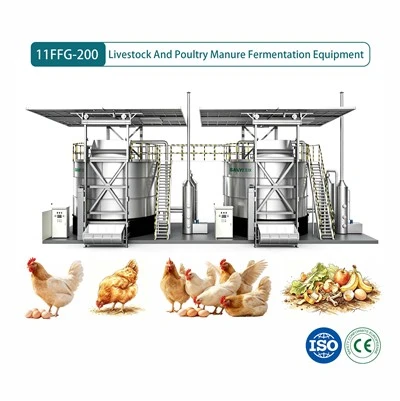
Low-temperature Compatible Organic Waste Fermentation Tank At the end of the day, disposing of pelletizer waste isn’t just about following rules—it’s about cutting costs and being sustainable. I’ve had clients who switched from landfilling all their waste to a mix of recycling, in-house reprocessing, and composting, and they’ve saved an average of 20% on their operational costs. That’s money they can put back into upgrading their pelletizer machine, hiring more staff, or expanding their product line. And as a pelletizer supplier, my job isn’t just to sell machines—it’s to help my customers work smarter, not harder. If you’re dealing with pelletizer waste that’s piling up, or you’re not sure what to do with the leftover material from your runs, I’m here to help. We can walk through your specific process, figure out what kind of waste you’re producing, and find a solution that works for your budget and your goals. Whether you need advice on sorting, connections to reliable recyclers, or even a quote for equipment that will help you repurpose your waste, just reach out.
References
- American Chemistry Council. (2022). Post-Industrial Plastic Waste: Best Practices for Recovery and Recycling.
- European Pelletizing Association. (2021). Sustainable Waste Management for Plastic Processing Operations.
- U.S. Environmental Protection Agency. (2020). Industrial Waste Disposal Regulations for Thermoplastic Processes.
- Institute of Scrap Recycling Industries. (2023). Guide to Sorting and Processing Industrial Plastic Scrap.
- Biodegradable Products Institute. (2022). Composting Guidelines for Biopolymer Manufacturing Waste.
Shandong Heze Sanyi Biological Engineering Co., Ltd.
Shandong Heze Sanyi Biological Engineering Co., Ltd. is one of the most reliable pelletizer manufacturers and suppliers in China, also supports customized service. We warmly welcome you to buy CE approved pelletizer made in China here from our factory.
Address: No.1118 Lanzhou Road, High-tech Zone, Heze City.
E-mail: business@hzsysam.com
WebSite: https://www.hzsysam.com/
