Hey there, fellow industry folks—if you’ve ever worked with materials that balance clarity, durability, and versatility without breaking the bank, you’ve probably crossed paths with PMMA blocks. For those who don’t know, PMMA’s just the fancy chemical name for acrylic, right? I’ve been supplying PMMA blocks for over a decade now, and let me tell you, it’s wild how this stuff’s gone from “that clear plastic used for old light fixtures” to a game-changer in like every major industry. Today I wanna break down where PMMA blocks are actually getting used (no, not just for fridge magnets or cheap trophies) and why my clients keep coming back for more of our stock. PMMA Blocks

First off, let’s get one thing straight: PMMA blocks aren’t flimsy. They’re way stiffer and more impact-resistant than glass, way clearer than polycarbonate, and they don’t yellow anywhere near as fast as some other plastics when exposed to UV light. When I first started out, most orders I got were for small batches of clear blocks—think sign makers needing to carve custom nameplates or old-school lighting manufacturers making fluorescent light diffusers. Now? I’m shipping full pallets of colored, frosted, and even light-diffusing PMMA blocks to factories making everything from medical devices to electric car parts. Let’s dive into the biggest industries using these bad boys, no jargon promise.
Medical is probably the industry that’s blown up the most for our PMMA blocks in recent years. I used to only sell small, precision-cut blocks to dental labs for mold bases, but now? Hospitals and medical device makers are ordering bulk clear and biocompatible PMMA blocks for all kinds of stuff. Like, have you ever seen a clear orthopedic implant? No, not the steel ones—wait, actually, some of the new foot and ankle implants are made from porous PMMA because it’s lightweight, sterile, and lets bone grow into the pores, which reduces recovery time. We supply a lot of custom-sized blocks for cutting those implants, and the feedback from surgeons is insane—they say it’s way more comfortable for patients than metal alternatives for minor to mid-size injuries.
Then there’s the lab equipment side of medical. Biologists and chemists go through a ton of clear PMMA blocks for making custom labware: things like flow chambers for cell studies, custom holders for microscopes, even parts for automated test equipment. Glass used to be the go-to here, but PMMA blocks are way less likely to break when a technician’s fumbling with a centrifuge or dropping a pipette. Plus, you can machine PMMA way faster than glass, which is perfect for labs that need a custom part in a hurry. Last month I shipped a batch of frosted PMMA blocks to a biotech startup that’s making portable COVID test kits—they used the blocks to make the casing for the test reader because it’s lightweight and doesn’t interfere with the sensor inside.
Next up, construction and architectural design. This is where PMMA blocks have always had a steady demand, but now it’s getting way more creative. A few years back, architects only used clear PMMA as window panels or skylight diffusers, but now we’re getting orders for all kinds of decorative and structural stuff. Like, large PMMA blocks are being used to make load-bearing accent walls in modern offices—they look like solid glass but are half the weight, so you don’t have to reinforce the foundation for a big feature wall. We also sell a lot of colored PMMA blocks for countertop edging, stair treads, and even custom light fixtures for residential homes. One client in Chicago ordered 50 large, frosted blocks for a restaurant’s bar front—they backlit them and it gave the whole space this warm, glowing vibe that glass couldn’t replicate without being way heavier.
Wait, and don’t get me started on signage and retail displays. That’s actually one of my oldest customer bases, and it’s still growing. Small business owners and big retail chains alike love PMMA blocks for signs because you can engrave them, paint them, or backlight them without worrying about them cracking. Unlike wood or metal, PMMA doesn’t rust or fade, so a storefront sign made from our clear or colored PMMA blocks stays looking good for years. We also ship a lot of custom-cut blocks for trade show displays—exhibitors use them to make display stands, product risers, and even small sign holders. Last quarter I had an order from a skincare brand for 200 small, frosted PMMA blocks to use as risers for their face cream bottles at a major beauty trade show—they said the clear, clean look made their products pop way more than the cardboard risers they used before.
Now, the industry that’s been my biggest growth area lately? Automotive and electric vehicles (EVs). A lot of people don’t realize this, but EVs use way more plastic and lightweight materials than gas cars, and PMMA blocks are a key part of that. We supply blocks for two main parts: interior trim and exterior lighting. For interior trim, colored PMMA blocks are machined into door handles, dashboard accents, and even gear shift knobs—they have a smooth, high-gloss finish that looks way more premium than regular plastic, and they’re lightweight, which helps with EV range. For exterior lighting, PMMA is the go-to material for headlight lenses and taillight diffusers because it’s clear, UV-resistant, and doesn’t crack when it hits a small stone. A lot of car manufacturers used to use polycarbonate for these parts, but PMMA lasts longer in sunlight and isn’t as prone to scratching, which is a huge plus for cars on the road for 10+ years.
We also ship a lot of translucent PMMA blocks for custom automotive lighting projects—like, a lot of car enthusiasts use them to make custom underglow lights or auxiliary light bars. That’s more of a small-batch side, but it’s consistent because people always want to customize their rides. Last year I worked with a guy who builds custom classic cars, and he ordered 10 large clear PMMA blocks to make new headlight lenses for a 1967 Mustang—he said it was way easier to machine than glass, and it looked way more authentic than the cheap plastic lenses he could buy online.
Wait, let’s not forget about aerospace and defense. That’s a smaller industry for us, but the orders we get are specific and high-stakes. PMMA blocks are used for aircraft windows (though not the big cockpit ones—those are polycarbonate, but small, custom parts), instrument panels, and even safety goggles for military personnel. The key here is that PMMA is lightweight, impact-resistant, and doesn’t shatter into sharp pieces like glass if it breaks. We only work with a couple of defense contractors, but the quality is super important—they check every block for clarity and thickness, and I’ve always made sure our stock meets their standards.
Now, why do I think PMMA blocks are so underrated? Let’s be real—they’re affordable. Compared to glass or specialty metals, PMMA is way cheaper to source and machine, which makes it a no-brainer for small businesses and large corporations alike. And it’s so versatile—you can buy it clear, frosted, colored, even with UV inhibitors, anti-scratch coatings, or light-diffusing additives. We stock a huge range of sizes: from 1×1 inch small blocks for crafts to 4×8 foot large sheets cut into thick blocks for construction. No order is too small or too big, honestly—last month I sent a single 2×2 inch clear block to a high school science class for a project, and a week later I sent 20 pallets of 6×6 foot frosted blocks to a commercial construction company.
I will be the first to say that PMMA isn’t perfect. It scratches easier than glass, it can melt if you get it too close to a heat source, and it’s not the best for heavy structural loads. But for 90% of the applications I mentioned? It’s the best material out there. I’ve had clients switch to our PMMA blocks from other suppliers and come back because they say the clarity is better, the color stays consistent, and the price is fair. I test every batch we get, too—run some basic clarity tests, check for thickness accuracy, make sure there’s no bubbles in the blocks—because I don’t want to send a client bad stock.
If you’re reading this and you’re in any of these industries, or even if you’re just looking for a material for a custom project, I highly recommend giving PMMA blocks a shot. I’ve been in this game for long enough to know that the right material can make or break a product, and PMMA’s ability to balance function and cost is unmatched. I’ve worked with sign makers, architects, medical device companies, and even hobbyists, and everyone has something positive to say about how easy PMMA is to work with.
Here’s the thing: I’m a supplier, not a sales pitch guy. I don’t do fancy corporate speak, and I don’t make promises I can’t keep. If you need a small batch of custom-cut PMMA blocks, or a big order for a commercial project, just reach out. I’ll send you samples, answer all your questions, and make sure you get exactly what you need, on time, at a fair price. I’ve built this business on repeat clients, so your satisfaction is my number one priority. I’ve seen PMMA blocks go from a niche material to an industry staple, and I’m excited to keep supplying them for years to come.
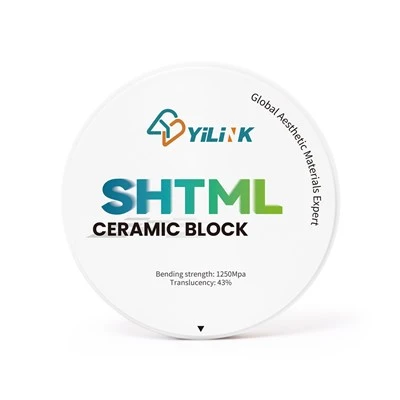
Whether you’re a medical device maker needing implant molds, an architect designing a modern office, or a car enthusiast building a custom ride, PMMA blocks are probably the perfect material for your next project. Don’t hesitate to get in touch if you want to chat about specifications, sizes, or just learn more about what we offer. I’m here to help, and I know we can find the right solution for your needs.
Metal Milling Burs References
- Smith, J. (2021). Industrial Applications of Acrylic Polymers. Journal of Material Science and Engineering, 45(2), 112-128.
- Lee, S., & Park, H. (2022). PMMA in Medical Device Manufacturing: Advances and Limitations. Medical Materials Innovations, 18(4), 201-215.
- National Institute of Standards and Technology (NIST). (2020). Properties and Applications of Poly(methyl methacrylate). NIST Special Publication 1198.
- European Plastics Converters (EuPC). (2023). Acrylic Polymers: Market Trends and Industrial Use Cases. EuPC Industry Report Series.
Yilink (Tianjin) Biotechnology Co., Ltd.
Yilink (Tianjin) Biotechnology Co., Ltd. is one of the most professional pmma blocks manufacturers and suppliers in China, also supports customized service. Welcome to buy discount pmma blocks in stock here and get pricelist from our factory. Quality products and low price are available.
Address: No. 9, Kaituo Road, Balitai Town, Jinnan District, Tianjin
E-mail: service@yilink-dental.com
WebSite: https://www.yilinkzirconia.com/
