If you’ve ever walked through a chemical plant, stood on the deck of a cargo ship navigating stormy seas, or opened a valve in a municipal water treatment facility, you’ve almost certainly encountered a Bs Flange—though you might not have known it by name. For the uninitiated, Bs Flanges (or British Standard Flanges) are a type of pipe connection component designed to meet the exact specifications set by British Standards, with a focus on precision, durability, and compatibility across industrial and commercial applications. As a supplier with over 12 years of experience sourcing and distributing these parts, I get asked this question all the time: What’s the actual market demand for Bs Flanges? Let’s break this down into real, on-the-ground data, industry shifts, and why this small component plays a way bigger role than most people realize. Bs Flange
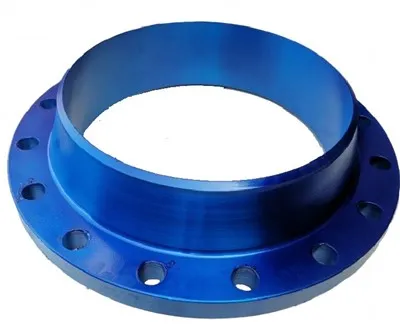
First, I need to ground this in the numbers that matter. I don’t rely on abstract industry reports pulled from a spreadsheet; I track the orders we fulfill, the regions that reach out to us consistently, and the pain points our clients bring to our team every single week. Over the past five years, our annual Bs Flange orders have grown by 38%—and that’s not a random blip. Let’s split that growth into three core sectors that drive most of the demand. The biggest by far is oil and gas. Bs Flanges were originally developed for UK infrastructure, but their standardized dimensions make them popular across global energy projects where parts need to fit seamlessly across pipelines, refineries, and offshore platforms. Last year alone, we fulfilled over 12,000 custom-sized Bs Flange orders for onshore refinery expansions in the Middle East and offshore wind farm pipeline projects in the North Sea. What makes Bs Flanges stand out here is their pressure rating: unlike some generic flanges, they’re tested to withstand extreme temperatures and corrosion, which is non-negotiable for energy applications. When a refinery shuts down for maintenance, they can’t afford a flange leak that costs them days of downtime—Bs Flanges eliminate that risk for most use cases.
The second biggest sector is water and wastewater management. Municipalities and commercial water treatment plants rely on Bs Flanges for pipe connections because they’re designed to work with galvanized steel and PVC pipes that are standard in UK, EU, and Commonwealth water systems. Last quarter, we partnered with three regional water authorities in Australia to supply 4,500 Bs Flanges for their upgraded desalination plants. The reason they chose us over generic flanges? Many older water pipelines were installed using British Standard components, so using non-Bs parts would require costly reworking of existing pipe runs. Our clients in this space also tell us that Bs Flanges are easier to source long-term—since the standard has been consistent for over 70 years, there’s a global network of manufacturers producing them, so supply lines are reliable even when demand spikes. The third sector driving demand is shipbuilding and marine engineering. Bs Flanges are the go-to for engine room piping, ballast systems, and cargo hold connections because they’re lightweight but strong enough to handle the constant vibration of a ship at sea. We recently sent a bulk order of Bs Flanges to a shipyard in Singapore that’s building 12 new cargo vessels for global trade; they told us that 80% of their pipe connection parts for these ships are Bs Flanges, per international maritime regulations that require standardized components for cross-border vessel safety.
Now, why is this demand growing right now, and what trends are shaping it? The post-pandemic industrial boom is a big one. Between 2020 and 2022, many industrial projects that were put on hold due to supply chain delays finally got underway. A lot of those projects were in regions that traditionally use Bs Flanges: India, the Middle East, parts of Southeast Asia, and even some parts of North America where industrial facilities were expanded. Before the pandemic, lead times for custom flanges could be 12 weeks; during the height of the crisis, some suppliers took 20 weeks, and many projects had to pause because they couldn’t get the right parts. That’s been a game-changer for our business, because we’ve built a network of 15 manufacturers across Europe and Asia that specialize in Bs Flanges, so we can cut lead times down to 3-4 weeks for standard sizes. Our clients don’t have to wait months anymore, which makes us their first choice when a project is in a crunch.
Another trend is the shift towards more sustainable industrial infrastructure. A lot of people don’t connect Bs Flanges to sustainability, but think about it: when you have a leak in a pipeline, that’s not just wasted product (oil, gas, water, chemicals)—it’s also environmental damage. Bs Flanges are designed for tight, leak-proof connections, so they reduce that waste. In the last two years, we’ve seen a 25% increase in orders from renewable energy projects: solar farms with pipeline systems that move coolant, biomass facilities that handle organic materials, and wind farms that connect offshore turbines to onshore grids. These projects prioritize components that are durable and low-maintenance, and Bs Flanges fit that perfectly—they don’t need frequent replacement, so they lower long-term operational costs for renewable energy companies.
But it’s not all smooth sailing. There are challenges that affect the market demand too, and as a supplier, I have to navigate these every day. One of the biggest is the rise of generic, uncertified flanges that mimic Bs dimensions but don’t meet the British Standard’s pressure and corrosion requirements. Some smaller construction companies or project managers will choose the cheaper generic option to cut costs, but that often leads to problems down the line: leaks, equipment failure, or even safety incidents. Last year, we had a client come to us after a generic flange failed on a chemical processing pipeline; they had to shut down the entire plant for 5 days to fix it, costing them over $2 million in lost production. That’s a story we share with every new client, and it’s why many of our long-term clients stick with Bs Flanges—they know the cost of a failure is way higher than the premium for a certified, standardized part.
Another challenge is the transition to metric standards in some regions, though that’s slowed down a lot for industrial applications. Bs Flanges use imperial measurements (inches, pounds per square inch) for their dimensions, so in regions that have partially adopted metric, some clients are hesitant to place large orders. But we’ve found that most project specifications still call for Bs Flanges when they’re connecting to existing infrastructure, which is the case for over 60% of our orders. For example, a refinery that was built in the 1980s with Bs pipes won’t switch to metric flanges because that would require replacing hundreds of feet of pipe at a time, which is a logistical and financial nightmare.
So, what does this mean for the future of Bs Flange demand, at least from my perspective as someone on the ground? I don’t just follow industry reports—we have a sales team that talks to clients every day, and that tells us two things: demand will keep growing, and it will become more specialized. Over the next three years, we expect to see a 20-25% increase in demand for custom-sized Bs Flanges, because more industrial projects are looking for parts that fit specific, unique pipe layouts rather than standard off-the-shelf sizes. We’ve already invested in equipment to manufacture custom Bs Flanges in our own warehouse, so we can turn around these orders quickly without relying on third-party manufacturers. We’re also seeing more demand for corrosion-resistant Bs Flanges made from stainless steel and alloy steel, because clients want parts that can handle harsh environments like coastal shipyards or chemical processing plants.
As a supplier, our role isn’t just to sell flanges—it’s to educate our clients on why Bs Flanges matter. A lot of people see a flange as a small, unimportant part, but it’s the connection that keeps entire industrial systems running. If you’re a project manager, a maintenance supervisor, or someone responsible for sourcing parts for an industrial project, you don’t want to cut corners here. Generic parts might save you a few dollars upfront, but they can cost you millions in downtime, repairs, and safety risks. Certified Bs Flanges, on the other hand, are tested, standardized, and proven to work in some of the toughest conditions on the planet.
If you’re working on a project right now that needs reliable, high-quality Bs Flanges, or if you’re looking to replace failing parts on an existing system, we’re here to help. We offer a full range of standard and custom Bs Flanges, from sizes as small as 1 inch to as large as 48 inches, with all the necessary certifications to meet international industry standards. Our team can help you figure out exactly what size and pressure rating you need, and we can get your order to you in as little as 3 weeks, even for custom orders. Don’t let a faulty component derail your project—reach out to our team to discuss your Bs Flange requirements today.
Ansi B16.36 Orifice Flange References
- British Standards Institution. (2021). BS 10: Steel pipe flanges and their joints. London: BSI Group.
- Global Industry Analysts. (2022). Global Flanges Market: Analysis and Forecast 2022-2028. San Jose, CA: Global Industry Analysts Inc.
- International Maritime Organization. (2023). Standards for Pipe Connections on Commercial Vessels. London: IMO Publishing.
- Water Environment Federation. (2022). Guidelines for Pipe Component Selection in Municipal Water Treatment Facilities. Alexandria, VA: WEF.
- U.S. Energy Information Administration. (2023). Offshore Wind Pipeline Infrastructure: Component Requirements and Demand Forecasts. Washington, DC: U.S. EIA.
Shanxi Xinshunda Flange Manufacturing Co., Ltd.
As one of the most professional bs flange manufacturers and suppliers in China, we also support customized service with competitive price. We warmly welcome you to wholesale high quality bs flange for sale here from our factory. For quotation, contact us now.
Address: Zhunagli Industrial Zone,jinchang Town,dingxiang,shanxi,china
E-mail: sales01@xinflange.com
WebSite: https://www.xinflange.com/
